
REVIEW · SANTO DOMINGO CITY TOURS
Santo Domingo: Chocolate Tour + Optional Workshops
Chocolate gets real in Santo Domingo. At Kahkow Experience, you follow the cacao pod through holographic storytelling and tasting rooms, seeing how KahKow Organic Chocolate is made. I love that the flow is interactive and fast, so you do not feel stuck in a long lecture.
You also get cacao bean tasting and a sensory challenge in the Sensory Room, where your guesses help unlock tastes of different chocolate percentages. The small-group vibe means the guide can give real attention to what you are smelling and trying.
The only real downside is simple: it runs just 25 to 50 minutes, and there are no food or drinks included, so plan a snack or meal around it.
Key things you will remember
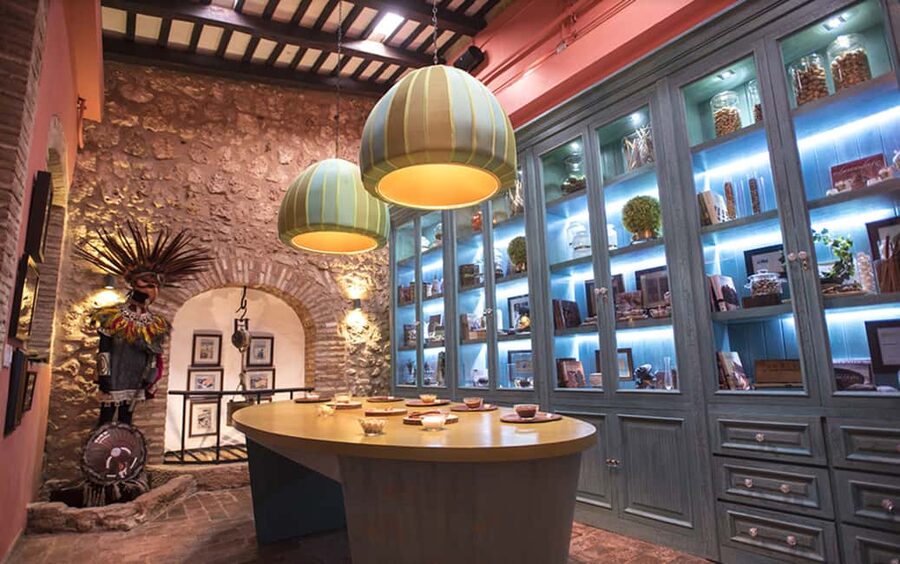
- Holographic Theater storytelling that tracks chocolate from cacao origins to the wider world
- Cacao fruit sampling that makes the process feel like a living forest, not a classroom
- Fermentation and drying lessons explained through a dedicated production stop
- Five-sense tasting games tied directly to chocolate ingredients and different percentages
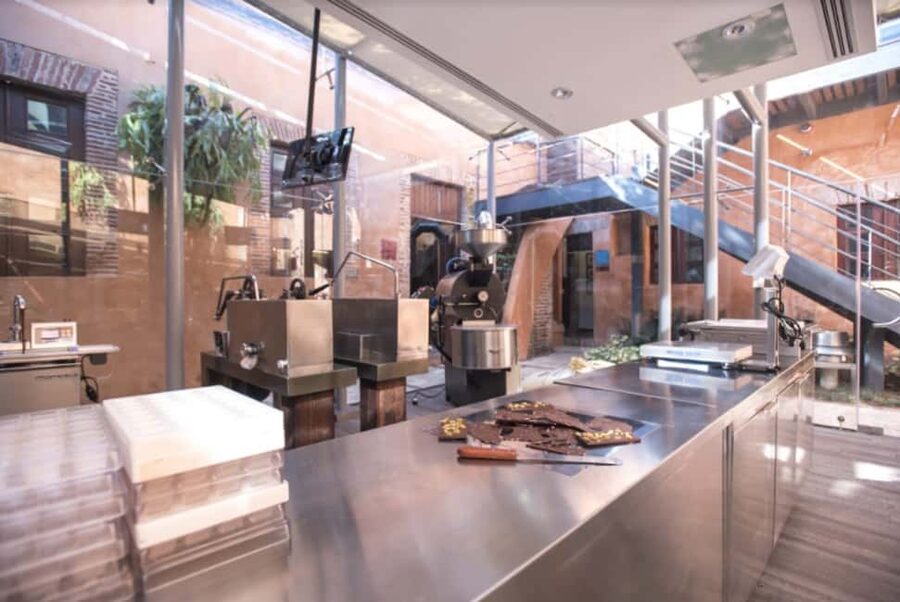
- Factory viewing in a glass-box area where you see how the machines fit together
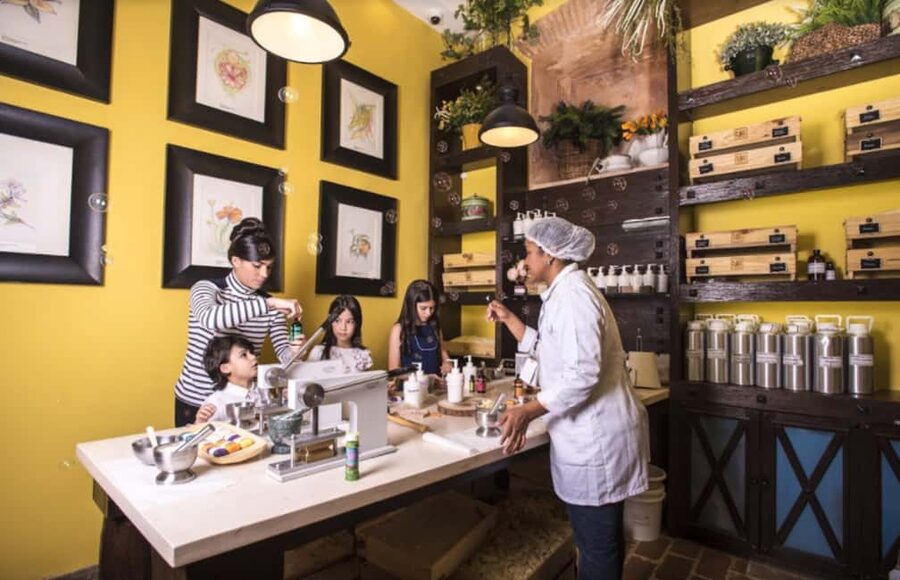
- Optional workshops for a chocolate bar or cacao butter soap (with aroma choice)
Other trips west to the capital
Getting oriented at Kahkow Experience on Calle Las Damas
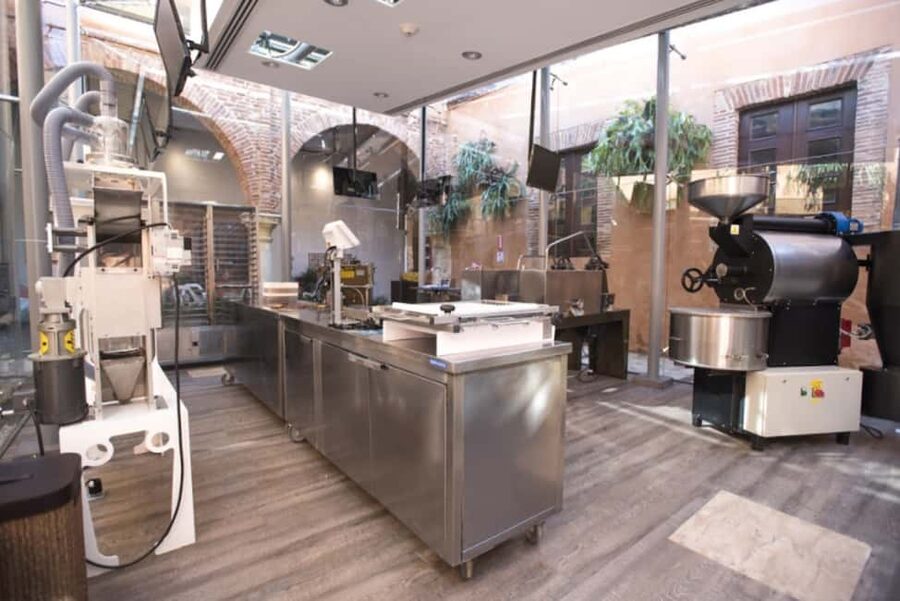
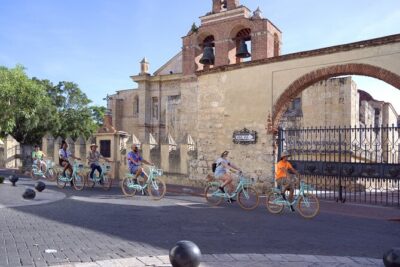
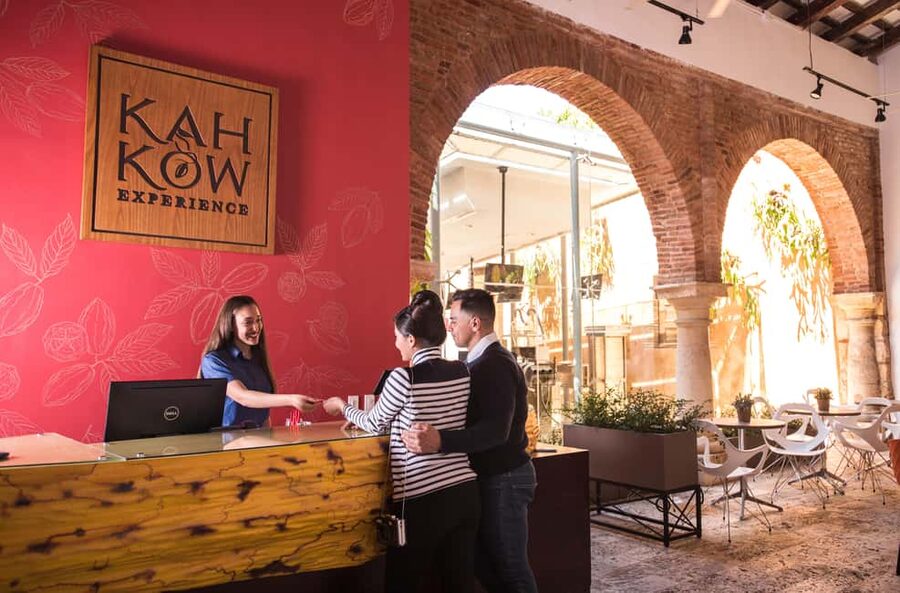
Kahkow Experience is based in Distrito Nacional, right in Santo Domingo, at Calle Las Damas 102, Santo Domingo 10210. The location is easy to plug into a map, and the tour itself is built for a tight schedule, since departures run every 11 minutes.
You start at the Kahkow Experience meeting point, and you should bring your passport or ID card for check-in. If you are traveling with a stroller, good news, the tour is stroller accessible, and it is also wheelchair accessible. In other words, this is not a “tour only for people who can step everywhere” kind of stop.
One practical thing I appreciate about short tours like this is that you can plan them around other sights. You do not need a half-day commitment, and the time window is clearly defined at 25 to 50 minutes.
Holographic Theater: chocolate history, but made interactive
The first stop is the Holographic Theater, and it is not just a screen-and-sit moment. Different ghosts from the world of chocolate come to life and tell the story, starting from the beginning of time. It covers how cocoa reached Hispaniola and then traveled to the rest of the world, which is a big part of why chocolate culture looks the way it does today.
What I like here is that you get context before you start touching or tasting anything. If you show up already knowing what fermentation is, the story still helps you place it in a larger path from plant to product. If you do not know anything yet, the theatrics help you keep the timeline in your head.
Also, because it is a scripted, guided show, this is a good option if you want chocolate education without needing to read labels or scan a museum display. You get carried from one step to the next.
Cocoa Plantation: sample cacao fruit like you are walking through a forest
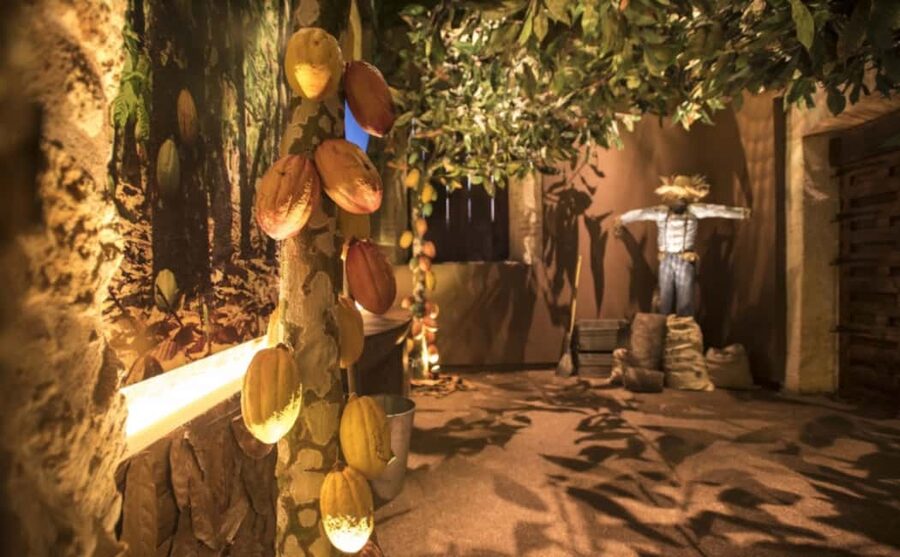
After the theater, you move to the Cocoa Plantation area. This part is designed to make you feel like you are in a real forest setting, not a staged corner of a factory.
The key experience here is that you can sample some cocoa fruit. That is important because most chocolate experiences skip the fruit entirely and jump straight to beans. Seeing and tasting the fruit helps you understand that cacao is not just a “bean machine.” It is a whole fruit-and-seed system, and the processing choices later make sense when you have that first sensory contact.
You should come into this room ready to use your senses in a practical way. Smell matters here, and looking matters too. Even if you are not an expert, this is one of those moments where your brain starts forming a connection between what you taste now and what you learn later in fermentation and drying.
Fermentation Room: where quality starts
Next comes the Fermentation Room, and this is one of the most valuable stops in the entire tour. You will watch and learn the post-harvesting processes of fermentation and drying, and the guide explains why these steps are so important for creating quality chocolate.
This is the part where chocolate usually becomes less romantic and more science-based, in a good way. Fermentation is where flavor development starts, and drying helps lock in results and prepares the beans for further processing. Even if you only remember one concept after the tour, make it this: the beans you smell during fermentation are not the same beans you end up tasting in a finished bar.
If you care about food quality, this room is the reason the tour feels more meaningful than a simple tasting. You are not just consuming chocolate, you are learning what changes it.
More estates pouring inland
- Zona Colonial: Recorrido Histórico con Chocolate y Mamajuana
★ 4.8 · 76 reviews - Santo Domingo Small Group Walking Tour: Beer and Specialty Coffee
★ 5.0 · 55 reviews - Dominican Republic: 3-Hour Chocolate Lovers Tour
★ 4.9 · 4 reviews
Sensory Room tasting games and chocolate percentage surprises
After fermentation, you head to the Sensory Room, and you are challenged to use your 5 senses for each of the ingredients that make awesome chocolate. There is a guess-based element, and if you guess right, you get a chance to taste different chocolate percentages of KahKow Organic Chocolate.
This is a fun structure because it turns tasting into a mini game. It also trains you to notice differences instead of just saying this tastes good or this tastes sweeter. Higher and lower percentages are not only about sweetness, they shift bitterness, aroma, and how the chocolate feels on your palate.
The best part for your decision-making: you get to taste percentages in context, after learning about cacao fruit and fermentation. That makes the contrast clearer. You will likely leave with a stronger sense of which type of chocolate fits your taste, instead of guessing later when you are buying bars.
Spanish Patio glass box: how the machines make the final product
You finish in the glass box on the Spanish Patio. This is the payoff moment where the guide explains how the machines in the factory work to produce the final product.
Even though it is still a guided experience, the glass box format helps you connect learning to visible production. You are not just told about processing steps, you see where the process fits into a working system.
For practical travelers, this stop also answers the question you might be carrying: what happens between cacao beans and a finished bar? The tour is short, but this ending is designed to tie everything together so you can picture the full chain rather than treating each room like an isolated station.
Workshops add-on: make a chocolate bar or your own cacao soap
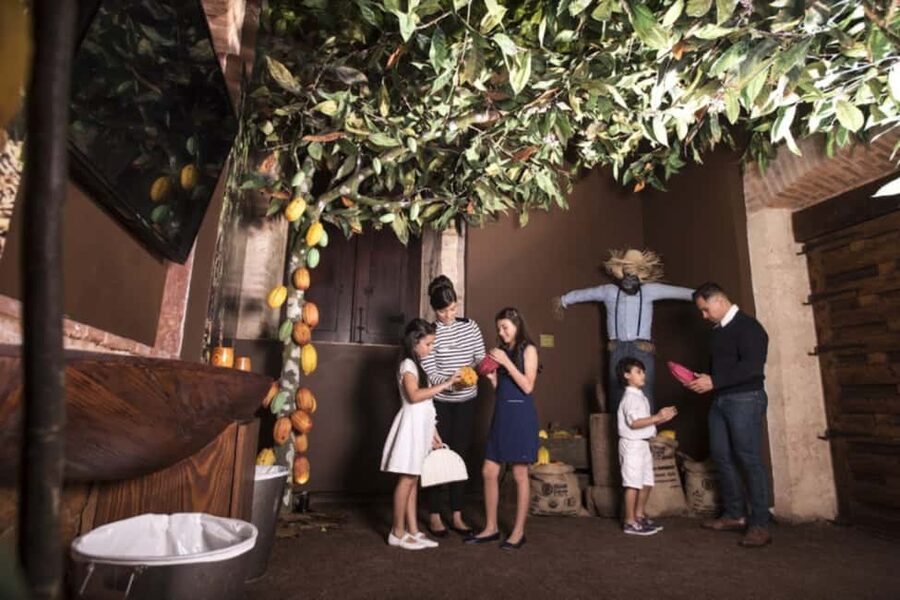
The standard tour includes cacao bean tasting and the interactive chocolate tour experience. If you upgrade, you add a workshop at the end, and the workshop choice changes the entire feel of your visit.
Soap Workshop: cacao butter formula and your own aroma
In the Soap Workshop, you learn how to make your own soap using a cacao butter formula made by the workers at La Esmeralda. You also get to add a special touch with your preferred aroma.
If you like taking home something practical and a bit different from typical edible souvenirs, this is the option. Soap is also a good way to keep the cacao connection with you after the tasting is over. The aroma choice is the kind of small customization that makes the workshop feel personal.
Chocolate Workshop: create your own chocolate bar
In the Chocolate Workshop, you create your own chocolate bar. This option is a straightforward extension of the sensory tasting experience, and it is especially satisfying if you found a percentage you liked during the Sensory Room and want to carry that preference into a homemade bar.
Both workshops are offered as add-ons, so they are the way to turn a short tour into a hands-on memory. If you are traveling with kids or a group where one person wants more action, the workshop option is the easiest way to satisfy both curiosity and participation.
What $21 buys you, and why the value makes sense
At $21 per person, this tour is priced like a short educational stop, not like a full day production tour. That is important context, because you are not just paying for entertainment. You are paying for a guided sequence that includes:
- interactive theater storytelling
- cacao fruit sampling
- cacao bean tasting
- learning about fermentation and drying
- a sensory tasting challenge tied to chocolate percentages
- a factory viewing end point in the glass box
For your money, the real value is the pacing. Many food tours run long and scatter tastings across time. This one keeps the learning and tasting close together, so the concepts stick.
If you add a workshop, you get more “takeaway” value in the form of something you make yourself, either a chocolate bar or soap. Since food and drinks are not included, the workshops also become the main reason to build your day around the experience. Plan a meal before or after so you can fully enjoy the tastings without feeling rushed.
Timing, meeting point, and how to avoid a rushed start
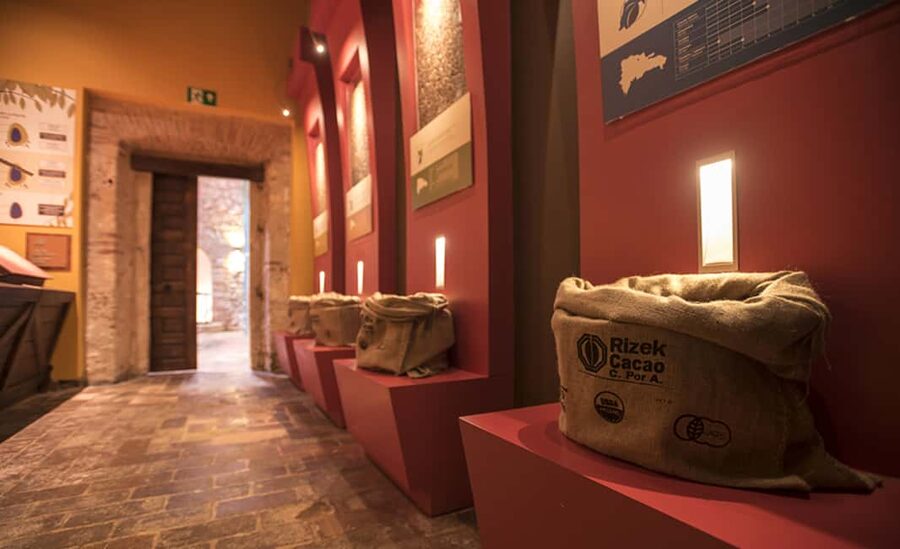
Tours start every 11 minutes, and that matters. Arrive a little early so you are not the person sprinting across the patio at the exact moment the group is called.
The activity is listed for 25 to 50 minutes, and that range usually depends on what your group does during the sensory portion and how the guide manages pacing. Either way, it is short enough that you can fit it between other plans in Santo Domingo.
Bring your passport or ID card, and have it ready at the meeting point. Also note that the live tour guide is available in multiple languages, including English, Spanish, French, German, and Russian. That helps if your group has mixed language comfort.
If you are used to self-guided travel, this guided format is still worth it. You are not only tasting, you are learning the why behind the process, and the guide keeps the order logical.
Who should book this Santo Domingo chocolate tour
I think this tour is a great fit if you want chocolate education without a multi-hour commitment. It is especially good for:
- chocolate lovers who care about how flavor gets built, not just whether it is sweet
- travelers who like interactive experiences and tasting games
- families who want a guided, sensory activity with stroller access
- groups that want a compact plan with a friendly, small-group feel
If you are the type who hates brief tours because you feel you are always “starting and stopping,” you might find the 25 to 50 minute window tight. But if you want a focused stop that ends with a clear view of how the machines work, this format is the point.
Also, if you are visiting Santo Domingo and want something that feels rooted in local production rather than just souvenir shopping, KahKow’s cacao-focused path hits that balance well.
Should you book this KahKow chocolate tour?
Book it if you want a compact, guided chocolate experience that connects cacao fruit, fermentation, and sensory tasting in the same visit. The combination of the Holographic Theater intro, cacao fruit and bean tasting, and the ending factory view is a strong use of time, especially at $21.
Skip the workshop upgrade only if you are truly short on time or you already know you do not want to make anything edible or soap-based. If you can add one extra hour or so of flexibility, the workshops are where the experience turns from informative to personal.
If you are planning your day, remember the key practical detail: there are no food and drinks included, so build in a snack or meal before or after. Do that, and you will leave with more than chocolate in your hands, you will leave with a clear sense of how quality gets made.
FAQ
How long is the Kahkow chocolate tour?
The tour duration is listed as 25 to 50 minutes, depending on the experience and timing.
Where is the meeting point for the tour?
You meet at Kahkow Experience, Calle Las Damas 102, Santo Domingo 10210, República Dominicana.
What should I bring for the tour?
Please bring your passport or ID card for check-in.
What languages are the live tour guides available in?
The live tour guide is available in English, Spanish, French, German, and Russian.
Are tastings included, and do workshops come with the tour?
Cacao bean tasting is included. You can also taste different chocolate percentages during the Sensory Room portion. Chocolate Workshop or Soap Workshop is included only if you choose that option.
Is food and drinks included?
No, food and drinks are not included. The tour is focused on tastings and learning.
What booking flexibility is offered?
You can reserve now and pay later. There is free cancellation up to 24 hours in advance for a full refund.
More Tour Reviews in Santo Domingo
Rum, Cacao and Coffee Near Santo Domingo
The Capital, Three Hours West

Newly reviewed near Santo Domingo
- Los Haitises Park & Cayo Levantado: Samaná unforgettable Journey★ 4.0 · 8 reviews
- Full-day at Catalina Island from Santo Domingo with optional snorkeling included★ 3.0 · 8 reviews
- Hiking the 27 Waterfalls of Damajagua Tour from Santo Domingo★ 4.5 · 8 reviews
- Punta Cana: Experience the essence of Santo Domingo with lunch and the Colonial Zone★ 3.9 · 9 reviews
- Santo Domingo Top: Colonial Zone Boat Ride Adventure★ 5.0 · 9 reviews
- Hiking Tabernacle Thundering Waterfall★ 5.0 · 9 reviews
Santo Domingo City Tours, compared.
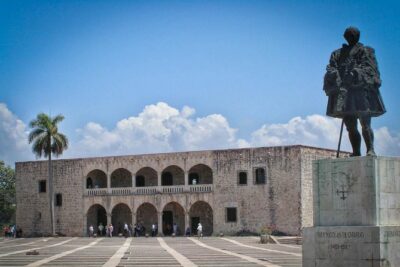 ★ 4.5Full-Day Santo Domingo City Tour from Punta CanaFrom $954,500 reviews
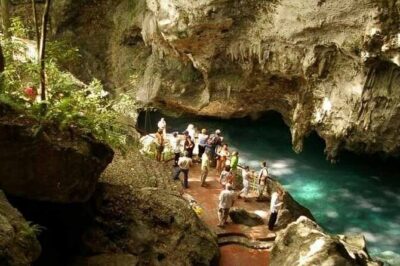 ★ 3.5Day Trip to Santo Domingo from Punta CanaFrom $55659 reviews
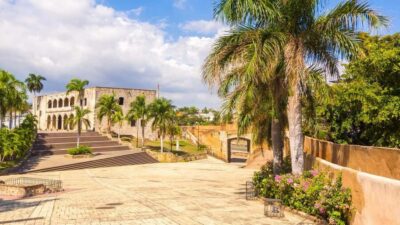 ★ 3.8Santo Domingo Day Trip with Tickets and LunchFrom $82584 reviews
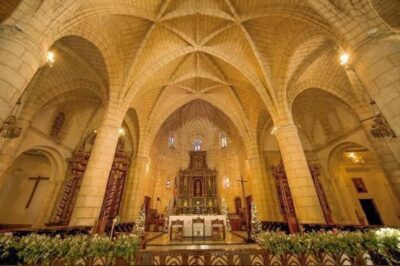 ★ 4.1All Inclusive Santo Domingo Full-Day City TourFrom $70553 reviews
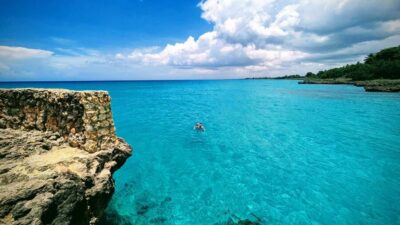 ★ 4.8Los Tres Ojos, Boca Chica & MoreFrom $87219 reviews
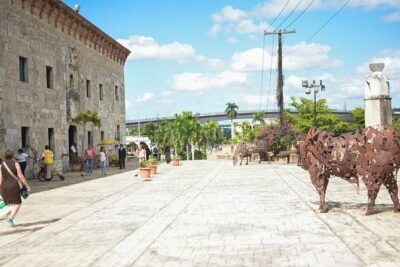 ★ 4.0Historical Santo Domingo Day Trip from Punta CanaFrom $95176 reviews
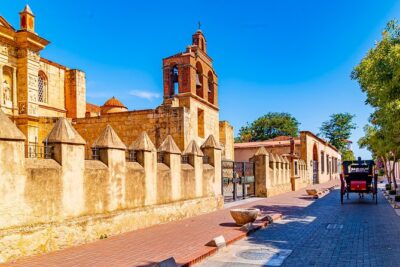 ★ 4.5Walking Tour from Santo Domingo CityFrom $60167 reviews
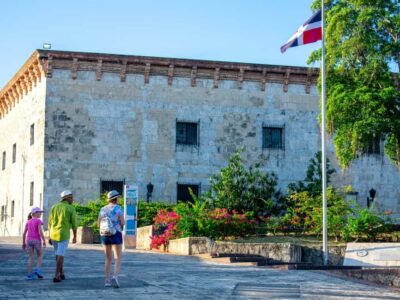 ★ 3.6Santo Domingo Colonial City TourFrom $85129 reviews