
REVIEW · RUM, CACAO & COFFEE TASTINGS
Dominican Republic: 3-Hour Chocolate Lovers Tour
Cacao has a smell you can’t un-smell. This 3-hour Chocolate Lovers Tour turns chocolate from a sweet treat into a step-by-step food story, with plantation time, hands-on planting, and a guided tasting you can actually use later.
I especially like that you get both farm basics and chocolate craft. You’ll spend time on an organic cacao plantation, then follow the process toward the factory and tasting, with expert guidance along the way. The only real drawback to plan for is timing, because one booking noted the outing ran about 2 hours 30 minutes in practice, even though it’s listed as 3 hours.
Key Things I’d Pencil Into Your Trip
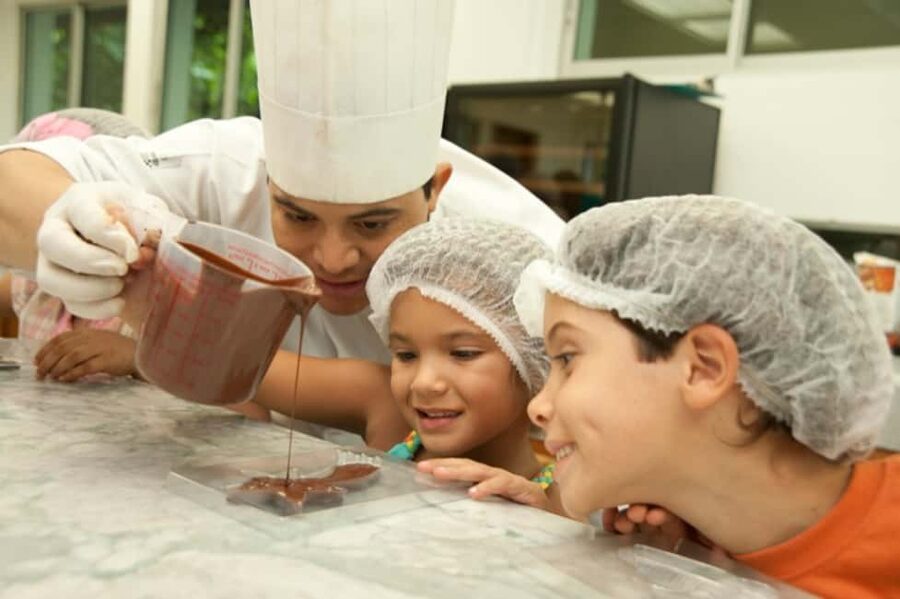
- Sow your own cacao plant, so the tour sticks beyond the photos
- Organic plantation visit with practical explanations of quality cacao
- Fermentation and drying lessons, where flavor gets decided
- Lunch included, so you’re not racing around hungry
- Five-senses chocolate tasting, built for real-world technique
- Second plantation stop showing more automated processing at a small scale
More estates pouring inland
A Cacao Classroom, Not a Stuffed Museum
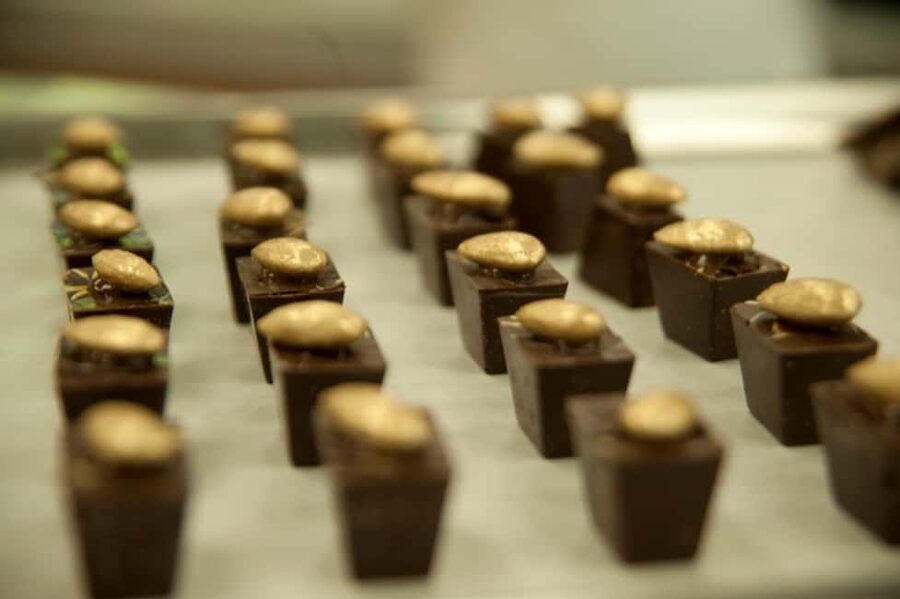
This tour is built for people who want the “how” behind chocolate. You’re not just looking at cacao trees and getting a quick overview. You’re guided through the chain from planting to harvest to fermentation, then finishing with a tasting session that teaches you how to notice differences.
The vibe feels educational but not stiff. You learn Dominican food and culture in a hands-on way, and you’re encouraged to use your senses, not just your phone camera. That matters, because chocolate quality often comes down to details you would miss if you only heard a few facts.
Also, the format is realistic. You get a full experience in about three hours, which works well when you want something structured but you still need time for the rest of Distrito Nacional.
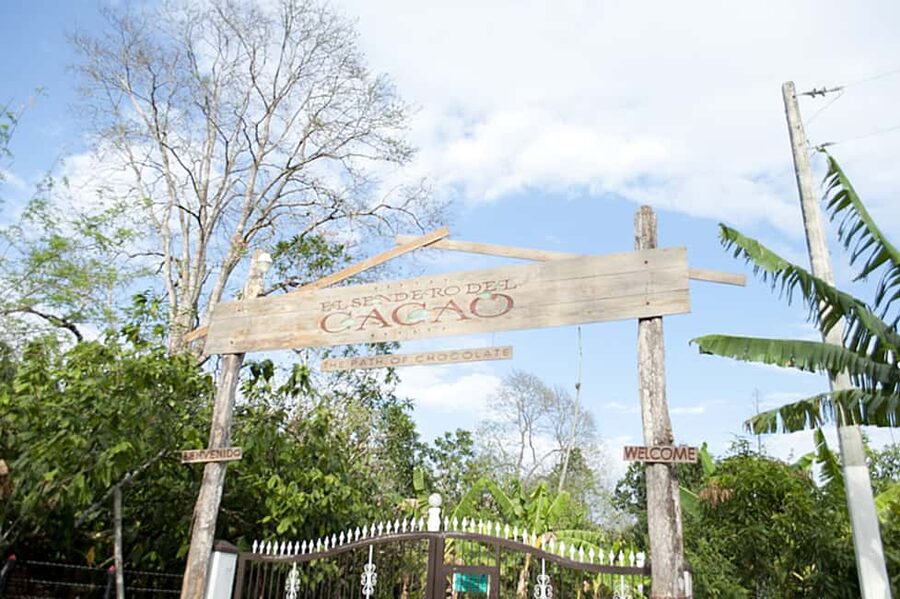
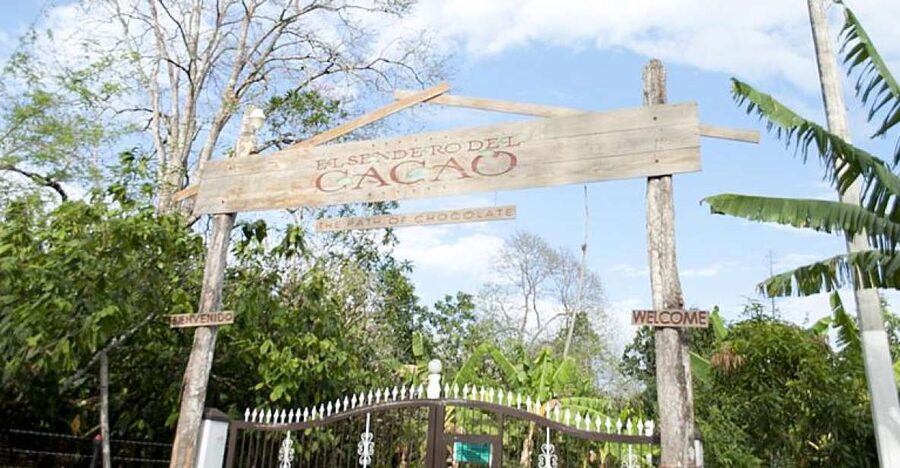
Meeting Point at El Sendero del Cacao
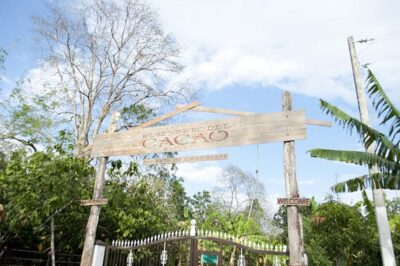
The tour’s meeting point is El Sendero del Cacao, Duarte, 31000, Dominican Republic. Having one clear location helps, especially if you’re coordinating the rest of your day.
Transportation is not included, so you’ll want to plan how you’ll get there. If you’re staying nearby, this is simpler than if you need a longer ride. I’d also wear shoes you can walk in comfortably, because plantation ground and pathways are not the same as a city sidewalk.
You’ll be with a live guide in English, Spanish, or French, which is great if you want explanations without guessing. And the tour is listed as wheelchair accessible, so it’s worth asking the operator if any specific areas are tight or uneven before you go.
Stop One: Organic Cacao Plantation Secrets
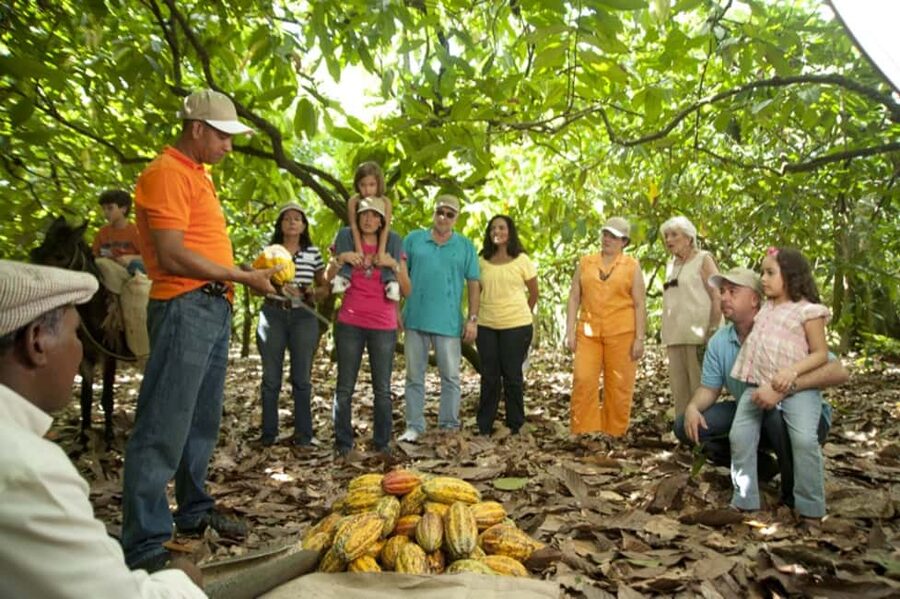
The day starts on the organic cacao plantation, where you learn what creates quality chocolate. This is the part that changes how you think about cacao, because it’s not only about taste. It’s about conditions, care, and the early steps that shape what the beans become.
A standout feature here is that you can sow your own cacao plant. Even if you’re not turning into a farmer overnight, it gives you a personal reference point. Later, when you hear about harvest and extraction, you’ll understand why the planting stage matters.
You’ll also get practical explanations about the cacao ecosystem and why the Dominican Republic is such a strong place for fine cacao. The tour frames it as a combination of local growing conditions and a tradition of handling beans correctly. In plain terms, the environment supports the crop, then process choices protect and develop flavor.
From Smell to Factory: The Post-Plant Story
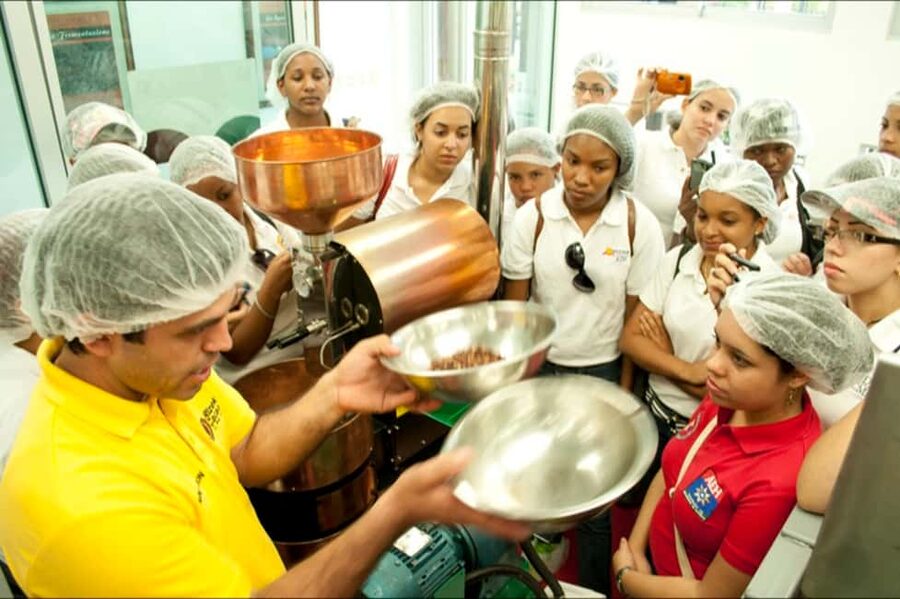
One of the tour’s more memorable ideas is sensory direction. You’re guided to follow your sense of smell toward the chocolate factory, where you learn the final steps that turn beans into chocolate.
This matters because chocolate-making often feels mysterious. You taste it at the end, but you never see the chain of work that got it there. Here, you connect the dots: cacao pods grow, beans are harvested and extracted, then post-harvest steps decide how those beans will taste.
You’ll hear the steps you can picture:
- Sowing (planting your start)
- Harvest and cutting
- Extraction of the grains from a cacao pod
- Fermentation and drying
The big point is that fermentation and drying are not “optional extras.” They’re determining factors in quality chocolate. If you want to taste a meaningful difference, those steps are where it starts.
- Colonial Zone: Historical Tour with a visit to the Columbus Lighthouse and Tres Ojos Park
★ 4.9 · 157 reviews - Ron Barcelo Anejo Experience Factory Tour
★ 5.0 · 111 reviews - From Santo Domingo: Saona Island Day Trip w/ Lunch & Drinks
★ 3.9 · 83 reviews - Private Catamaran Cruise to Bahia de las Aguilas
★ 5.0 · 78 reviews - Zona Colonial: Recorrido Histórico con Chocolate y Mamajuana
★ 4.8 · 76 reviews
Fermentation and Drying: Where Flavor Gets Set
If you only remember one part from this tour, make it fermentation and drying. The explanation is focused, because these stages are where bitterness, acidity, and aroma profiles take shape.
The tour guides you through the post-harvest process, explaining how fermentation and drying affect the final result. That’s useful for you as a chocolate shopper, too. When you read terms like flavor notes or origin quality, you’ll have a better sense of what might actually be happening to the beans.
This is also the part that makes Dominican cacao interesting beyond “it tastes good.” You learn that flavor doesn’t only come from where cacao grows. It comes from what people do after harvest to develop the right characteristics.
How the Tour Uses Dominican Culture, Without Turning It Into a Lecture
Chocolate here is a doorway to Dominican culture in a fun way. Instead of treating culture like a separate topic, the tour ties it into the ecosystem, food habits, and craft behind cacao.
That balance is smart. If you’re in the Dominican Republic, you want more than a generic sightseeing stop. You also want something authentic that connects to local life and local crops. This tour does that by making cacao practical and personal.
I also like that the information is presented by chocolate experts. When you’re trying to understand fermentation, drying, and tasting techniques, you want clear teaching, not vague “it’s complicated” talk.
Lunch Included: A Real Break, Not a Boxed Meal
After the plantation education, you get lunch included. You’ll also have hot chocolate during the experience, which helps you anchor what you’re learning in what you’re tasting.
Lunch is more than a pause. It’s a practical travel feature. You’re in an active, sensory setting, so having food included keeps the day comfortable and lets you participate fully in the tasting later.
Because the tour runs around three hours, the schedule is designed to keep momentum. If you arrive hungry, you could end up focusing on food instead of learning. The included lunch solves that problem.
Second Plantation Stop: More Automated Processing at Small Scale
You visit another plantation as part of the route, where you can observe more automated cacao processing at a small scale. This is valuable because it shows how production can evolve without losing the core idea of cacao handling and post-harvest care.
You’ll learn more about fermentation and drying again, but from this second perspective. The goal isn’t to repeat the facts mindlessly. It’s to reinforce that these steps control the outcome, whether the operation is more traditional or more mechanized.
If you like seeing how systems work in the real world, this stop is a good one. It helps you understand the difference between growing and processing, and how the two connect.
The Five-Senses Chocolate Tasting You Can Repeat
The tasting session is one of the most teachable parts of the tour. You learn how to taste chocolate using your five senses, not just by saying it’s good or not good.
This is where the tour earns its value. Plenty of tours include a sample. Fewer teach you how to notice texture, aroma, and flavor in a way that makes buying decisions easier later.
You’ll get guided structure for what to pay attention to. For example:
- Smell, before the chocolate even reaches your mouth
- Texture, as it melts or holds shape
- Flavor as it develops, not just the first hit
- A sense of balance, like how sweetness and bitterness interact
- How the finish lingers
Once you learn this approach, chocolate tasting stops being random. It becomes a tool you can use at chocolatiers or even at supermarkets.
Price and Value: Is $83 Worth It?
The price is $83 per person for a 3-hour experience. That sounds like a “special tour” price, and it is. But the value holds because you get more than a ride and a quick story.
What you’re paying for includes:
- Plantation visits, including an organic site
- A hands-on sowing activity
- Guided instruction focused on quality cacao
- Lunch and hot chocolate
- An expert-led tasting session
Also, transportation is not included, so factor that into your total day cost. If you’re already close enough to reach the meeting point easily, the tour feels more like a fair trade. If you need a long taxi or private ride, the value still can work, but you’ll want to plan it intentionally.
In short, I’d see this tour as a solid choice if chocolate is a real interest. If you just want a sweet break, you might be happier with a shorter, less structured option.
Timing That Works, Plus the One Caution
The tour is listed at 3 hours. One booking noted it ran about 2 hours 30 minutes, so I’d plan your day with a little flexibility.
Three hours is a sweet spot for a chocolate experience in the city area. You get enough time to learn and taste without burning a whole half day. It also means you can combine it with other plans, as long as you give yourself room for travel to and from Duarte, 31000.
If your schedule is tight, I’d treat the 3-hour listing as a target, not a promise. That simple habit keeps stress low.
Who This Tour Fits Best (and Who Might Skip It)
This tour is best for you if you want chocolate education that feels practical. It’s great for couples, food nerds, and anyone who’s curious about why chocolate tastes different. If you like hands-on learning, sowing your own cacao plant adds real memory power.
It also suits families, as long as everyone enjoys guided instruction. The tour is educational, but it’s not just sitting. You’re moving through plantations and learning by doing, which helps keep kids engaged.
You might consider a different option if you only want a quick “see and taste” moment. This experience spends time on fermentation, drying, and the quality chain, so it rewards attention.
FAQ
FAQ
How long is the Dominican Republic Chocolate Lovers Tour?
The tour duration is listed as 3 hours.
What is included in the price?
The included items are hot chocolate, lunch, and a guided tour.
Is transportation included?
No. Transportation is not included.
What languages are the tour guide available in?
The live tour guide offers English, Spanish, and French.
What should I bring for the tour?
You’ll want comfortable shoes and comfortable clothes.
Is the tour wheelchair accessible?
Yes, the tour is listed as wheelchair accessible.
Where do I meet the tour?
The meeting point is El Sendero del Cacao, Duarte, 31000, Dominican Republic.
What is the cancellation policy?
The tour offers free cancellation up to 24 hours in advance for a full refund.
Should You Book This Chocolate Lovers Tour?
If you’re a chocolate person who wants more than a souvenir sample, I think this is a strong pick. The organic plantation learning, the hands-on cacao planting, lunch included, and the structured five-senses tasting add up to more than “just chocolate.”
I’d book it if you enjoy food science, aromas, and the real chain behind what ends up in your bar. If your main goal is a quick stop with minimal walking and minimal learning, you may want to choose something shorter. But for $83, for a guided cacao-to-tasting experience, it’s a pretty smart use of a few hours in the Dominican Republic.
More Tours in Santo Domingo
More Tour Reviews in Santo Domingo
Rum, Cacao and Coffee Near Santo Domingo
Newly reviewed near Santo Domingo
- Los Haitises Park & Cayo Levantado: Samaná unforgettable Journey★ 4.0 · 8 reviews
- Full-day at Catalina Island from Santo Domingo with optional snorkeling included★ 3.0 · 8 reviews
- Hiking the 27 Waterfalls of Damajagua Tour from Santo Domingo★ 4.5 · 8 reviews
- Punta Cana: Experience the essence of Santo Domingo with lunch and the Colonial Zone★ 3.9 · 9 reviews
- Santo Domingo Top: Colonial Zone Boat Ride Adventure★ 5.0 · 9 reviews
- Hiking Tabernacle Thundering Waterfall★ 5.0 · 9 reviews
Rum, Cacao & Coffee Tastings, compared.
 ★ 5.04×4 Dominican Adventure with Chocolate and Coffee TastingFrom $592,920 reviews
 ★ 5.04×4 ATV Experience, Water Cave, Chocolate and Coffee TastingFrom $561,430 reviews
 ★ 5.0Buggy Adventure Tour with Chocolate and Coffee in Punta CanaFrom $45953 reviews
 ★ 5.0Buggy Ride Into the jungle with cave coffee & chocolate tastingFrom $53465 reviews
 ★ 5.0Road Off Half Day Buggy with Chocolate and Coffee TastingFrom $48326 reviews
 ★ 5.0101 Oliver Rum Tasting & Pairing And Taino Concept StoreFrom $54244 reviews
 ★ 4.5Punta Cana Buggy with Cave Dip, Mamajuana Tasting & Macao BeachFrom $35233 reviews
 ★ 5.0ATV Adventure w/ Chocolate, Coffee & Cave Swim in Punta CanaFrom $45178 reviews
Also filed under