
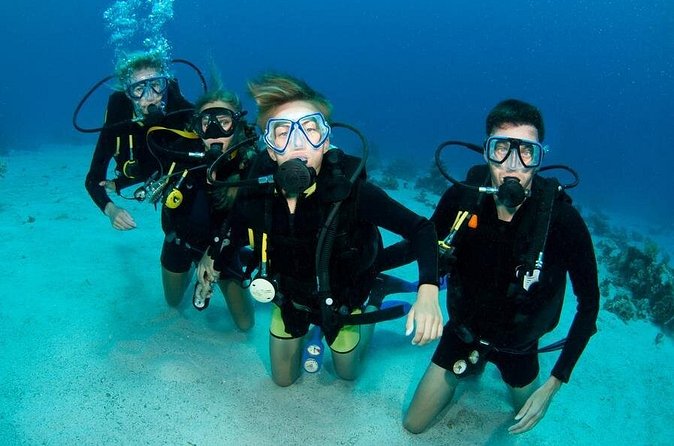
REVIEW · PUNTA CANA ADVENTURE TOURS
Punta Cana: PADI Open Water Scuba Certification (2–3 Days)
Scuba skills start in a calm pool. I like that this SeaPro Divers course uses a clear pool-to-ocean path to your PADI certification, not guesswork. I also appreciate the human touch from the team, with instructors repeatedly praised by name like Jennifer and Daniel. One thing to consider: Punta Cana water conditions can be variable, and a bit of seaweed or algae has shown up for some people.
For $649 per person, you’re buying structure, equipment, and instruction, plus hotel pickup and drop-off from selected hotels. You’ll likely feel reassured if you’re a first-timer or returning after a break, since the training is built around skill checks and confidence. Just know you’ll need to follow the medical questionnaire rules, and you should not plan scuba activity within 24 hours of flying.
Key points to know before you go
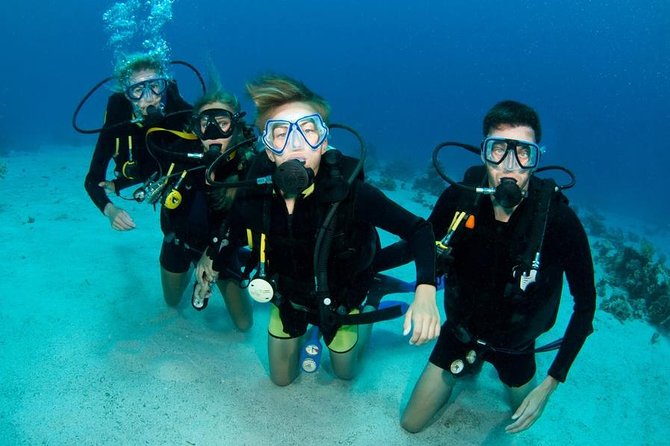
- Small groups, max 10 travelers keeps the class moving and helps you get attention when you need it.
- Kat coordinates the course and is often singled out for fast replies and smooth organization.
- Jennifer and Daniel teach patiently with clear instructions and lots of reassurance for nervous beginners.
- Pool skills first, ocean sessions second so you practice equipment handling before you head out.
- 2-day or 3-day format, with a Catalina Island option for extra time on the water.
- You get equipment and the PADI certification after completion, while food and drinks stay on you.
The rest of the Dominican Republic adventure list

Meeting SeaPro Divers at Playa Blanca, then getting rolling
Your day starts at SeaPro Divers in Playa Blanca (Playa Blanca #2) with a 9:00 am start time. If you’re staying in a participating hotel zone, you can also plan on hotel pickup and drop-off, which makes the whole thing feel like part of your resort vacation rather than a separate chore.
I’d treat the start time as firm. Multiple people mention smooth pickup timing, and one practical tip stands out: arrive at your pickup point a bit early so there’s no scramble. Once everyone is together, you’ll move as a group to the training location.
This is also a useful detail for your planning. Since you’re limited to a maximum of 10 travelers, your schedule tends to stay tight. That usually means less waiting around, more time learning, and fewer “who knows what happens next” moments.
What your 2-day or 3-day PADI certification really includes
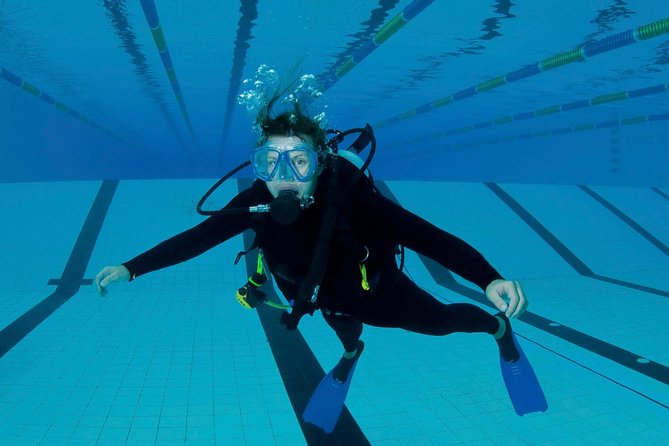
This course is built around your PADI path to certification, and you can choose a 2-day option or a 3-day option. The big idea is simple: you learn the fundamentals in a controlled environment, then you apply them in open water.
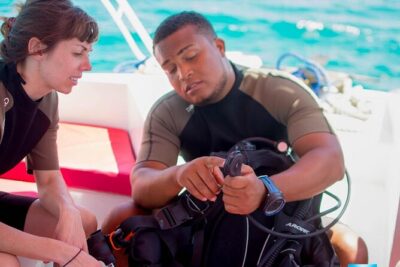
In practice, that means the course starts with pool and classroom sessions. You learn how to use scuba gear, how to breathe with the regulator, how to handle buoyancy and basic movements, and how to complete the required skill checks. Then you shift to ocean sessions, where you practice those same skills with an instructor watching closely.
For the 3-day option, you may also have an upgrade opportunity tied to Catalina Island. One theme from the experience reports is that this extra day feels like more than just “extra time.” It can be a real bonus day, especially if you want your trip to be more than a certification checklist.
One note on certification expectations: once you finish, you receive a PADI certification that’s recognized for scuba activity worldwide. That matters because it turns a vacation into a credential you can use at future destinations, not just a one-off experience.
Pool training and classroom time, where beginners get their footing
The pool is where this course earns its value. It’s controlled, predictable, and you can repeat skills until your body learns the rhythm. I like that the training begins here because the ocean is not the place for first attempts at regulator use or basic buoyancy control.
You’ll also do the classroom basics. That includes the theory portion tied to PADI requirements and learning how to use your equipment properly. You can expect instructors to walk you through what to do, then shift you into hands-on practice.
The standout detail from the instruction style is confidence building. People mention instructors who are patient, clear with directions, and supportive when students struggle. Names that come up often include Jennifer and Daniel, and multiple accounts describe calm coaching when a student is nervous about getting equipment positioned or getting their face used to being underwater.
That approach is practical for you. If you’re anxious, you’ll feel less pressure because the course is designed to get you through each step safely before moving on. If you’re comfortable but rusty, you’ll still benefit from the skill repetition and equipment checks.
Ocean sessions in Punta Cana, plus what to pack and watch
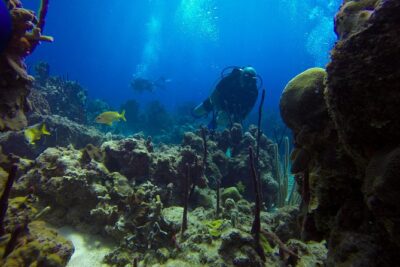
Once pool skills are in place, you head to the ocean for your open-water sessions. This is where the training turns from “learning” into “real-world conditions.” You’re still guided throughout, but the environment brings extra variables like current and visibility changes.
One consideration to keep in mind: Punta Cana conditions can vary. In one experience, there was noticeable seaweed and algae. That doesn’t mean the training is unsafe or unpleasant, but it does mean your underwater scenery might be different day to day.
Packing is straightforward, but don’t skip the basics. The course notes recommend bringing sunscreen and a snack, and that’s a small move that can make the day more comfortable. Since food and drinks are not included, you’ll want to plan for energy between sessions, especially if you’re doing a full morning and then going again later.
You should also treat the health questionnaire seriously. Before you can participate, you’ll complete the required medical questionnaire. Some pre-existing conditions, like asthma or heart conditions, may prevent you from participating. If you have any health concerns, checking with your doctor ahead of time saves stress later.
Tanks and dive sites around Dominican Republic
- Diving for Certified Divers, 2 Tanks Sosúa Bay
★ 5.0 · 345 reviews - First Time Scuba Diving Experience in Punta Cana
★ 4.5 · 148 reviews - Punta Cana Party Cruise with Snorkeling, Hooka Diving and Parasailing
★ 4.5 · 79 reviews - Punta Cana: PADI Open Water Scuba Certification (2–3 Days)
★ 5.0 · 50 reviews - Discover Scuba Diving
★ 5.0 · 30 reviews
Optional Catalina Island time on the 3-day course
If you pick the 3-day version, look closely at the included third-day experience option tied to Catalina Island. Multiple accounts describe this add-on as worth upgrading for, mainly because it turns your trip into a longer water day rather than just a certification finish line.
The reports point to a few practical benefits for you. First, there’s more time on the water, so the whole scuba process feels less rushed. Second, Catalina-style days can work well for mixed groups, with family members who might not be certified able to join the outing in another capacity, like snorkeling.
One account specifically mentions lunch and drinks being part of the island outing experience. That’s a real planning advantage because it means you may not need to hunt down meals during that portion of the day. If you want your certification to plug into a bigger “vacation day at sea,” this is the option to consider.
Price and value at $649, what makes it fair and what to compare
$649 per person is a premium price, and I won’t pretend otherwise. But it can be good value depending on what you compare it to and what you want from your trip.
Here’s what you’re paying for based on what’s included:
- PADI certification on completion
- Diving equipment
- Pool and ocean sessions
- An instructor throughout
- Hotel pickup and drop-off for selected hotels
- Mobile ticket
What’s not included:
- Food and drinks
For many travelers, the biggest value drivers are the equipment and instruction, plus the fact you’re not handling the logistics yourself. If you compare “instruction plus gear plus certification paperwork” versus booking each piece separately, this package can make your vacation simpler.
One caution from price comparisons is that some people feel certain add-ons can be costly. That said, the strongest feedback consistently points to the core certification experience as high quality, especially because the instructors are patient and the course is well organized.
My practical advice for getting value: if you’re planning to spend real time in the water anyway, choose the 3-day option if your budget allows and you know you’ll appreciate the extra outing. If you’re aiming for the fastest path to certification so you can snorkel or relax the rest of the trip, the 2-day version may be the better fit.
Who this is best for, and who should think twice
This course is built for people who want a serious scuba certification experience without turning the vacation into a complicated project. It also helps that the group size is limited to 10 travelers max, which usually improves the instructor-to-student ratio and keeps you from feeling lost.
It’s also a decent fit if you:
- Want PADI certification recognized around the world
- Prefer structure, with pool skills and skill checks before ocean sessions
- Are a first-timer and need reassurance as you learn core scuba mechanics
The minimum age is 10 years, so older kids can potentially do it with the required fitness and readiness. You should also have a moderate physical fitness level. That doesn’t mean you need to be an athlete, but you do need to be comfortable with a bit of active time in and around the water.
Who should think twice:
- If you’re dealing with medical conditions that might limit participation, address that early through the questionnaire and your doctor
- If you’re flying in and out, note that scuba activity within 24 hours of flying is not recommended
- If you hate the idea of variable ocean conditions, be mentally flexible about visibility and underwater plant life
The small details that shape your day
A few things can make this kind of course feel smooth or chaotic, and SeaPro’s setup seems designed to reduce friction.
Coordination is a theme in the feedback, with Kat or Katarina frequently praised for communication and organizing the course steps. People also mention clear coordination from pickup drivers and dive instruction teams, and the overall tone is that you’re not left hanging when questions pop up.
Instructors get named often, including Craig, Eugenio, Kraig, Petra, Jessica, David, and Jennifer. What matters for you is not the celebrity of names, it’s the teaching style people describe: clear directions, patience with students who struggle, and encouragement so you keep moving forward instead of freezing.
If you’re nervous, you’ll likely appreciate the coaching approach described in the experiences. One account highlights extra time for students who needed it, including help with breathing and positioning while underwater.
Should you book this Punta Cana PADI Open Water course?
Book it if you want a structured PADI certification experience in Punta Cana, with equipment included, pool-to-ocean progression, and a team that’s repeatedly praised for clear instruction and calm support. If you’re choosing between the 2-day and 3-day versions, I’d lean toward the 3-day option when you can afford it, because the optional Catalina Island time can add real vacation value beyond the certification checks.
Skip it or at least ask more questions first if you have any health concerns that could affect participation, or if you’re expecting perfect water visibility every time. Also, double-check whether your hotel is in the pickup zone, since Cap Cana and Punta Cana Resort Club hotels are not included for transportation.
FAQ
What certification do I get after finishing the course?
You receive a PADI certification upon completion, and the program notes that the certificate is good for scuba activity anywhere in the world.
How long is the Punta Cana PADI certification course?
The experience runs for 2 days approximately, with an option for 3 days.
What time does the course start?
The start time listed is 9:00 am.
Where is the meeting point?
You meet at SeaPro Divers – Playa BlancaPlaya Blanca #2, Punta Cana 23000, Dominican Republic.
Is hotel pickup included?
Hotel pickup and drop-off are included for selected hotels only. Transportation is not included for Cap Cana and Punta Cana Resort Club hotels.
What’s included in the price?
Included items are diving equipment, pool and ocean sessions, a knowledgeable instructor, and PADI certification upon completion. You also get hotel pickup and drop-off (selected hotels only).
Are food and drinks included?
No. Food and drinks are not included.
What are the age and medical requirements?
The minimum age is 10 years. You must complete a health questionnaire prior to diving, and some pre-existing medical conditions may prevent you from participating. Consult your doctor if you have concerns.
Can I scuba if I just flew?
Scuba activity within 24 hours of flying is not recommended.
How big are the groups?
The course has a maximum of 10 travelers.
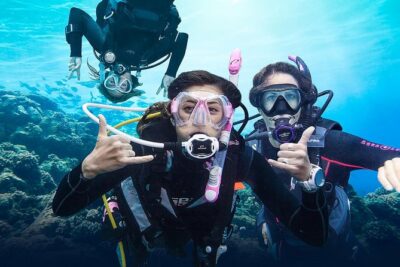
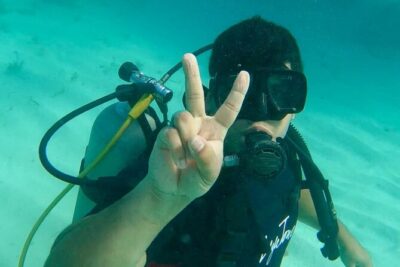
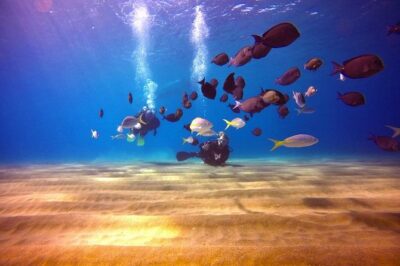
Dive Sites Near Dominican Republic
More Tour Reviews in Dominican Republic

The Rest of the Dominican Republic Adventures
Newly reviewed near Dominican Republic
- Punta Cana Jet Ski, Buggy, Aqua Kart & Water Park Access★ 3.5 · 7 reviews
- Saona Island Premium- Exclusive Beach And Mano Juan FullDay★ 3.6 · 7 reviews
- Cap Cana Hotels To Punta Cana Airport (PUJ) One Way★ 5.0 · 8 reviews
- Punta Cana Airport to PARADISUS PALMA REAL in Punta Cana R/T★ 5.0 · 8 reviews
- ATV Rental in Jarabacoa★ 5.0 · 8 reviews
- Punta Cana Airport to ALL OCCIDENTAL RESORTS in PUNTA CANA R/T★ 5.0 · 8 reviews
Punta Cana Adventure Tours, compared.
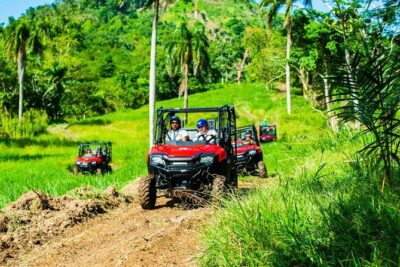 ★ 5.0Adventure Bundle: Monkeyland, Ziplines & Buggies Punta CanaFrom $20910,715 reviews
 ★ 5.0Private Airport Punta Cana to La Romana Bayahibe or Casa de Campo Resort AreaFrom $1706,662 reviews
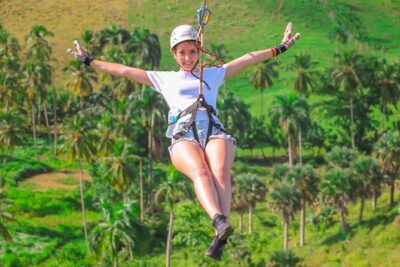 ★ 5.0Punta Cana Zipline Adventure with Buggies and Horseback RidingFrom $1005,001 reviews
 ★ 4.5Full-Day Santo Domingo City Tour from Punta CanaFrom $954,500 reviews
 ★ 4.4Catamaran Boat to Saona Island with Buffet LunchFrom $823,822 reviews
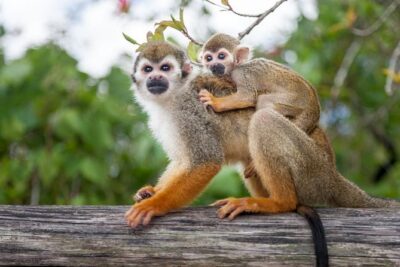 ★ 5.0Monkeyland and Plantation Safari Tour from Punta CanaFrom $803,805 reviews
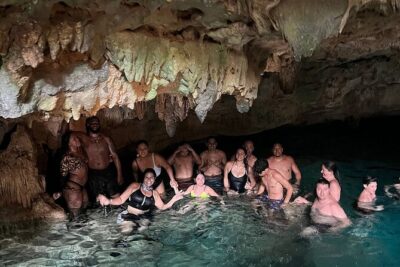 ★ 4.5Punta Cana Dune Buggy Adventure and Amazing Water CaveFrom $613,411 reviews
 ★ 4.5Private Punta Cana Airport Transfers Hotels in Dominican RepublicFrom $153,040 reviews
Also filed under