
REVIEW · PUNTA CANA ADVENTURE TOURS
Kiteboarding Lessons in Punta Cana
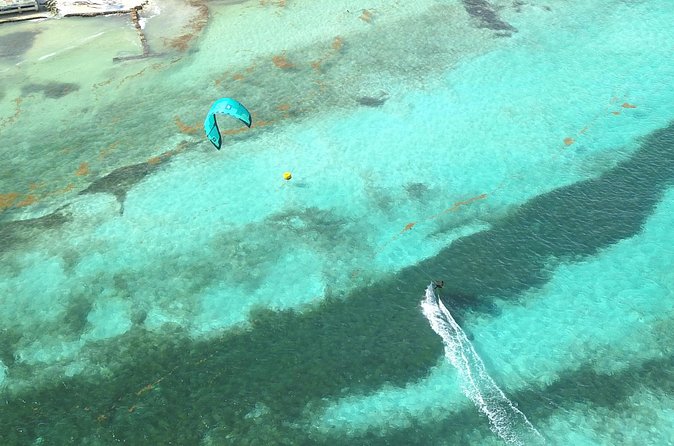
Kites, wind, and first control can happen fast. This Punta Cana kiteboarding course is built for real beginners and also for riders who want sharper technique, with small groups and daily 3-hour lessons. You practice as you learn, so you are not stuck only watching from the beach.
What I love most is the structured progression. Day 1 starts with wind theory and the wind window, then moves into trainer kite control and steering, with a focus on safe habits from the beginning. Day 2 and Day 3 build specific water skills like water relaunch, downwind body dragging, upwind recovery, riding both directions, and first waterstarts, which gives your practice a clear target.
The main consideration is simple but important: you make your own way to the academy to meet your instructor. Also, kiteboarding needs a moderate fitness level and good weather, so if conditions are rough you may have to adapt your timing.
Key highlights
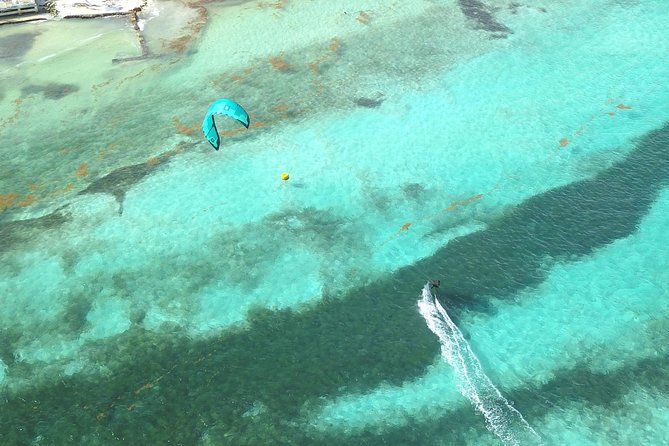
- Small group instruction (max 4 people) means you get more hands-on coaching and faster corrections.
- 1, 2, or 3-day progression takes you from trainer kite basics to waterstarts.
- Wind theory plus practical control starts with the wind window and kite handling, not just trial and error.
- Practice-focused lesson blocks give you enough time to repeat skills until they click.
- Radio-style coaching and close corrections help you improve even when you are focused on the kite.
- Helmet use is included, so you start the day protected while you learn.
The rest of the Punta Cana adventure list
Why Punta Cana Winds Make Learning Less Frustrating
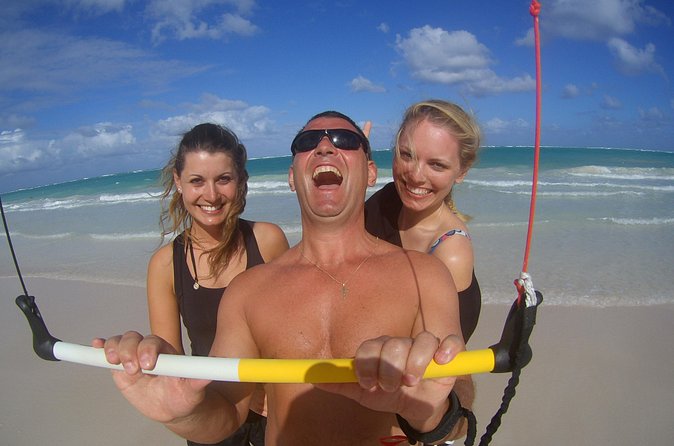
Punta Cana is one of those places where the sport finally feels doable. When the wind is consistent, you get repeated attempts, and that repetition is what builds muscle memory for kite control. If you have ever tried to learn in places where the wind shows up late, disappears early, or swings randomly, you know how much that kills momentum.
This course leans into that reality by running daily sessions with a clear teaching flow. You start with the basics of what the wind is doing, then you go straight to operating the equipment, usually with a trainer kite first. From there, your skills expand step by step into full kite control on the water.
I also like that Punta Cana gives you a mix of learning conditions. In the wider region, instructors often look for spots that can stay calm enough for technique work, like flat water areas, while still delivering the wind you need. That balance is what helps beginners get to the fun part sooner.
Choosing 1, 2, or 3 Days for Real Progress
You are not buying a vague “try it” experience here. You are choosing a plan with different outcomes, based on how many days you spend in the system.
A 1-day option is best if you want the fundamentals fast: how the wind window works, how the kite feels under control, and basic steering concepts. It is also a solid choice if you are traveling with other plans and just want a guided start without committing to a longer stay.
A 2-day option is where things start to feel like kiteboarding. You move from trainer kite control into full-size kite skills, including techniques you actually need on the water. Water relaunch and downwind body dragging help you build recovery skills, which is a huge mental shift from beginner chaos to controlled progress.
A 3-day option is the “I want to ride, not just fly the kite” track. It adds upwind bodydragging recovery, riding the board in both directions, and first waterstarts. If you want the best chance of walking away saying, I get what this sport is about, this is the one.
One more reason to choose carefully is momentum. Kiteboarding is technical, so the second and third day matter a lot for smoothing out mistakes you make on day one.
Day 1: Wind Theory, Trainer Kites, and Safer First Control
Day 1 is all about setting you up to succeed. Before anyone hands you a board, you start with wind theory and the wind window, which is the control zone where your kite behaves predictably. If you understand where the kite should sit relative to the wind, your learning becomes more logical and less scary.
Then you get hands-on with equipment. The first practice is usually done with a trainer kite, which keeps things simpler while you learn key control inputs. You also practice steering with one hand, which matters because kiteboarding is a coordination sport, not just a strength sport.
After the setup, you head out to the beach and begin your training. Expect a safety briefing, getting suited up, and then real repetition: control the kite, feel the pull, correct what is off, and do it again. Your instructor is there to adjust your timing and body position before you build bad habits.
This day is not just about learning tricks. It is about learning how to think like a kiteboarder. That means understanding cause and effect: if you move too fast, the kite reacts. If you drift out of the wind window, the kite changes behavior. Once you get that, everything later becomes easier.
Day 2: Full-Sized Kite Skills, Water Relaunch, and Downwind Dragging
Day 2 is where kiteboarding starts living in your legs and lungs, not just your hands. You switch to a full-sized kite and work on controlling it in the water, which is the point where beginners often get stuck.
This is also the day you practice water relaunch. That skill is a confidence builder because it teaches you how to restart when you lose the kite or when conditions force a reset. You learn what to do so the restart feels intentional instead of panicked.
You also work on downwind body dragging. This is one of those “not glamorous, but everything” skills. It helps you move while keeping control and positioning, so you can actually get yourself into a good setup for later riding work.
In the Punta Cana teaching style, instructors often provide feedback in a way that keeps you from guessing. Some lessons include radio-style coaching or quick live corrections while you are actively on the water, which helps you adjust during the attempt instead of only after.
By the end of day two, you should feel more connected to the water. Even if you are not fully riding yet, you are building the foundation that makes riding possible.
A few more Punta Cana days worth a look before you book
- Chocolate Master Class & Taino Concept Store
★ 5.0 · 43 reviews - Kiteboarding Lessons in Punta Cana
★ 5.0 · 32 reviews - Punta Cana: Saona Island VIP 4 first-class beach and sunset
★ 4.0 · 30 reviews - Punta Cana: One-on-One Surf Lesson on Macao Beach
★ 4.6 · 26 reviews - Full-Day Surf Camp in Punta Cana –Lessons, Beach Time & Adventure
★ 5.0 · 12 reviews
Day 3: Upwind Recovery, Riding Both Ways, and First Waterstarts
Day 3 takes the skills from yesterday and turns them into movement. You work on more complex maneuvers, including an upwind bodydragging technique used to recover the board. The big lesson here is angle and control, not speed.
Then you start riding the board in both directions. That is a major milestone because it shows you can adapt to your own direction changes instead of being stuck in one setup. Riders who only manage one direction often hit a wall fast, so getting both directions earlier gives you more options later.
You also try your first waterstarts. This is the moment many people came for, because it is where the sport shifts from towing skills to actual riding. Even if your first waterstarts are wobbly, they are valuable because you learn the timing, kite power management, and body position needed to come up smoothly.
It helps that day three has enough time to keep practicing the same concepts. Kiteboarding learning works when you can repeat the same movement sequence and make small corrections, not when you do one attempt and move on.
If you are deciding between day two and day three, I would choose day three if you can swing the time. One extra day is often the difference between, I did okay, and, I understand what to do next time I go out.
Instructors, Gear, and What Your $215.39 Buys
At $215.39 per person for the 3-day format, you are paying for structured coaching, not just beach access. The big value is the daily rhythm: 3-hour lessons timed to a progression you can track. Instead of guessing what you need to practice, your days already have a plan.
You also get a professional guide and helmet use included. That might sound like small paperwork, but in kiteboarding it matters. A helmet is part of learning safely while you handle lines, kites, and water resets.
The teaching style seems to be a real strength. Multiple students praised instructors like Humberto, and the vibe that comes through is patience plus precision. People also specifically mentioned two-way radio coaching, including systems like BBTalkin in advanced contexts, which suggests you can get corrections quickly even when the environment is loud and chaotic.
Another perk, depending on the setup, is documentation. Some students mentioned drone follow video for performance feedback. I would treat that as a potential extra rather than a guarantee, but if it is offered in your session, it can be a fun way to spot exactly what changed between your best run and your next attempt.
One more practical point: the group size is capped at four. That limitation is not just marketing. In a technical sport, more bodies means fewer direct corrections. A small group makes it easier for your instructor to see what you are doing and correct it fast.
Where You’ll Ride: Learning-Friendly Spots and Wind-Driven Changes
You will meet your instructor at the academy and then head to the beach to start. The lesson moves between theory, gear setup, and water practice, so you are not stuck waiting around for someone to decide where to go.
In Punta Cana, the “where” can matter a lot for learning. Some spots in the region are known for flat water and knee-deep conditions, which help beginners practice control without being thrown around by waves. Other areas, like places around Las Salinas, are known for strong winds, which can be amazing once you have the basics handled.
Because conditions change, the instructors generally focus on delivering the right mix of wind and learnability. That is why people often describe the team as finding the best winds. If you want that kind of flexibility, this school style fits well.
If you are the type who loves travel energy, ask questions about potential kite areas before you lock your schedule. You might find that your lesson day aligns with calmer water or more intense wind, and that can affect what skills feel easiest to learn on that day.
Practical Stuff You Should Plan Before You Go
First, plan to get yourself to the meeting point in La Altagracia Province. The listing notes hotel pickup and drop-off only if you choose an option that includes it, so do not assume your resort will handle transport.
Second, dress for wind and water, not just heat. The tour operates in all weather conditions and asks you to dress appropriately. That usually means expect real sun, salty air, and wet time, so bring a plan for staying comfortable between sessions.
Third, bring a body that can handle a water day. Kiteboarding involves swimming when you fall, dragging yourself back into position, and working against the pull of the kite. The activity calls for a moderate physical fitness level, so if you get winded easily in heat, pace yourself and take breaks when offered.
Fourth, use the small-group setup to your advantage. If you have questions during breaks, ask them. If something feels off during practice, tell your instructor right away. The technical sport rewards quick feedback, and a group of four makes it realistic to get that attention.
Finally, book with your schedule in mind. This activity is commonly booked about 6 days in advance, which suggests spots fill up in high season. If your travel window has limited wind chances, you want your lesson dates locked early.
Weather can also affect timing. The experience is good-weather dependent, and if it is canceled due to poor weather, you should be offered a different date or a full refund. Free cancellation up to 24 hours helps if your travel plans change.
Should You Book Kiteology DR for Kiteboarding Lessons in Punta Cana?
If you want a clear learning path, I think this is a strong pick. The 1, 2, and 3-day structure matches how kiteboarding actually teaches progress: first wind theory and trainer kite control, then full kite handling and water relaunch, then upwind recovery and waterstarts. That focus on skills, not just action, is where the value shows.
It also fits well if you hate big groups. Max four people means you are less likely to spend your time watching and more likely to get corrections when it matters.
I would hesitate only if you do not want to handle logistics. You need to get yourself to the academy location, and you should be comfortable with the idea that weather can change the plan. Also, your body needs to handle a moderate fitness level and repeated water practice.
If those points are fine, I would book. In Punta Cana, when wind and instruction line up, kiteboarding can shift from scary to addictive fast, and this course is designed to get you to that turning point without wasting days.
FAQ
What is included in the kiteboarding lessons?
The tour includes a professional guide and use of a helmet.
How long are the lessons each day?
You get a daily 3-hour class as part of your selected 1-, 2-, or 3-day option.
Do I need prior kiteboarding experience?
No experience is necessary. The lessons are available for complete beginners and for more experienced riders.
How many people are in the group?
The maximum group size is four travelers.
What does the course cover on each day?
Day 1 focuses on wind theory, the wind window, equipment basics, trainer kite piloting, and one-hand steering. Day 2 adds full-sized kite control in the water, including water relaunch and downwind body dragging. Day 3 covers upwind bodydragging for recovery, riding in both directions, and first waterstarts.
Is food or drinks included?
Food and drinks are not included.
What happens if weather conditions are poor?
The experience requires good weather. If it is canceled due to poor weather, you will be offered a different date or a full refund.
Is hotel pickup and drop-off included?
Hotel pickup and drop-off is not included unless you select an option that includes it.
More Workshops in Punta Cana

More Tour Reviews in Punta Cana

The Rest of the Punta Cana Adventures
Newly reviewed near Punta Cana
- Bávaro To Punta Cana Airport (PUJ) One way★ 5.0 · 7 reviews
- Punta Cana Bavaro Buggy Adventure★ 4.0 · 7 reviews
- Punta Cana Luxury Snorkel & Beach Club Day at Playa Blanca★ 4.8 · 7 reviews
- Tour en buggy en Punta Cana★ 3.0 · 7 reviews
- Safari Tour in Punta Cana todo el dia una Aventura inolvidable★ 5.0 · 7 reviews
- Higuey City Tour – A Cultural Experience From Punta Cana★ 3.5 · 7 reviews
Punta Cana Adventure Tours, compared.
 ★ 5.0Adventure Bundle: Monkeyland, Ziplines & Buggies Punta CanaFrom $20910,715 reviews
 ★ 5.0Private Airport Punta Cana to La Romana Bayahibe or Casa de Campo Resort AreaFrom $1706,662 reviews
 ★ 5.0Punta Cana Zipline Adventure with Buggies and Horseback RidingFrom $1005,001 reviews
 ★ 4.5Full-Day Santo Domingo City Tour from Punta CanaFrom $954,500 reviews
 ★ 4.4Catamaran Boat to Saona Island with Buffet LunchFrom $823,822 reviews
 ★ 5.0Monkeyland and Plantation Safari Tour from Punta CanaFrom $803,805 reviews
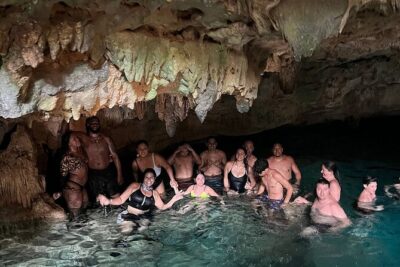 ★ 4.5Punta Cana Dune Buggy Adventure and Amazing Water CaveFrom $613,411 reviews
 ★ 4.5Private Punta Cana Airport Transfers Hotels in Dominican RepublicFrom $153,040 reviews
Also filed under