
REVIEW · SANTO DOMINGO CITY TOURS
Santo Domingo: Private City Tour walking
Santo Domingo walks you through New World beginnings. This private 3-hour city walk links the big historical labels to real streets, where you can still see the clues of early power in the Zona Colonial and beyond. You’ll cover major stops tied to the first European foundations in the Americas, plus time for views over the Ozama River and photos in classic colonial corners.
Two things I especially like are how this route focuses on firsts (cathedral, university, hospital, shipyard) and how the fortress views make the history feel concrete, not textbook. You also get Museum del Mar and Museo del Ron entry included, so you’re not stuck on stone churches alone. One practical drawback: since it’s a walking tour through historic streets, you’ll want comfortable shoes, and it is not a fit for pregnant women or children under 2 years old.
Key highlights to look for
- Fortress Ozama views over the Ozama River that give you instant orientation
- UNESCO Zona Colonial walking through the early European core of Santo Domingo
- Calle Las Damas walk on the first cobblestone street
- Early power stops tied to cathedral, bishop, governor, university, hospital, and more
- Museums included with Museo del Mar and Museo del Ron tickets
Other trips west to the capital

Why a private 3-hour walk works in Santo Domingo
Santo Domingo can feel huge at first, but this tour keeps you moving with purpose. In just three hours, you cover the kinds of places that shape the city’s identity: religious authority, government buildings, defensive architecture, and museums. It’s the right pace if you want big context without spending your whole day just getting around.
The private format matters too. A guide can adjust the walk based on your questions, your comfort level, and what you care about most, whether that’s early institutions or simply what the streets look like up close. And in real-world terms, the guide can help you connect what you’re seeing to what it meant back then.
I also like that it is not only sightseeing. You get a structured feel for Dominican daily life because you’re walking the older lanes on foot, not riding past them. That difference is small in theory, but it changes the way the city lands in your mind.
Entering the UNESCO Zona Colonial on foot
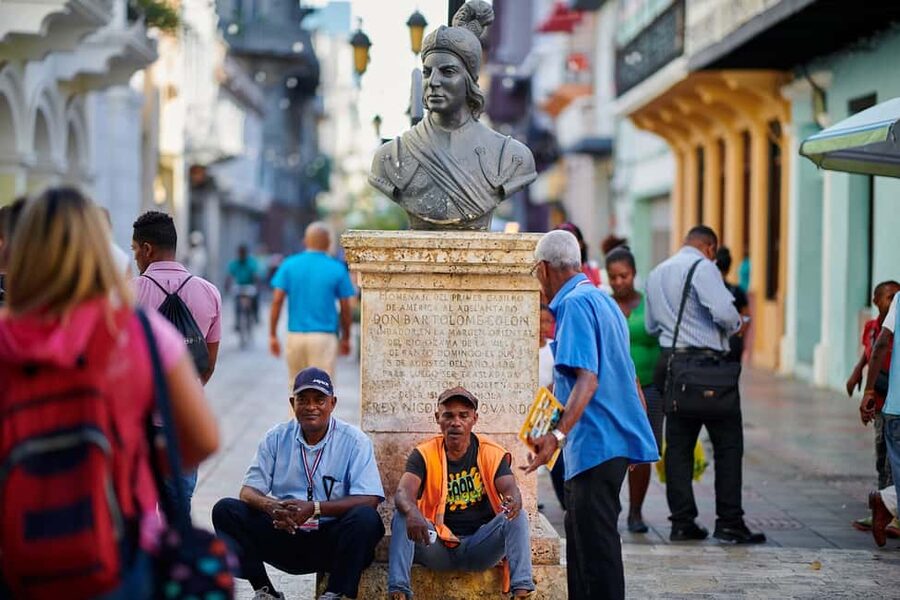
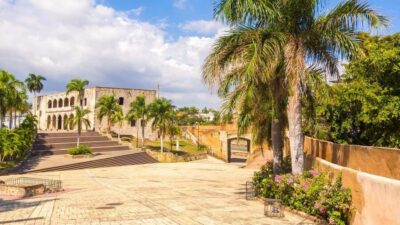
The heart of the experience is the historic colonial area, recognized as a UNESCO World Heritage Site. Walking here is the whole point: colonial-era streets are narrow, the corners appear in sequence, and the buildings come into view in layers. It’s a place where the city’s origins show up in the layout, not just in plaques.
This is also where the tour’s “firsts” start paying off. You’re told where the first cathedral was built, where the first bishop was sanctified, where the first governor resided, and where the first hospital opened. Even if you don’t consider yourself a history nerd, hearing those “first” markers while standing in the neighborhood makes the story snap into focus.
One smart thing to do as you walk is to keep a simple mental map. Ask your guide to point out what each stop represents, religious, civic, military, educational, or health-related. Then, when you move from plaza to street to fortress, the tour becomes an organized walk through how the city functioned.
Calle Las Damas and the feel of old street-level Santo Domingo
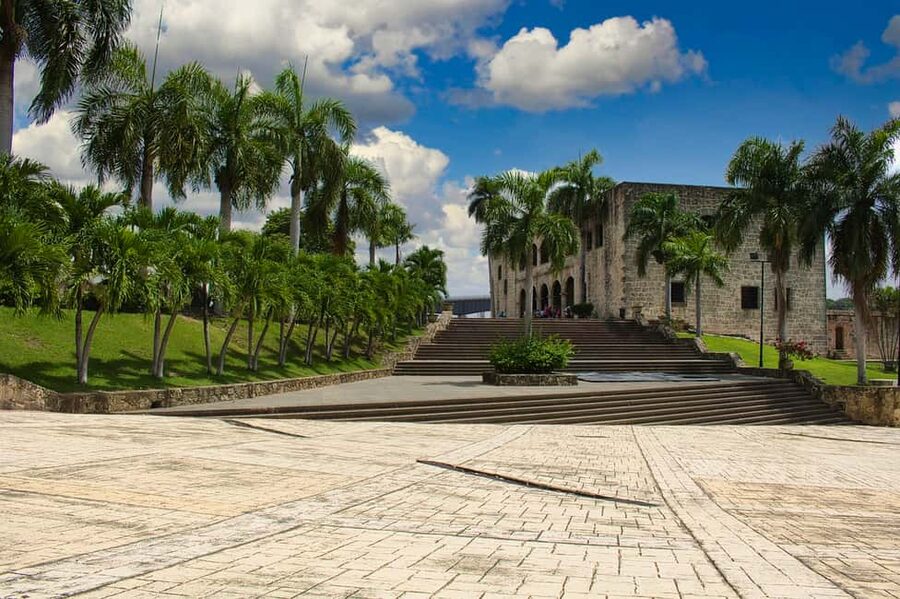
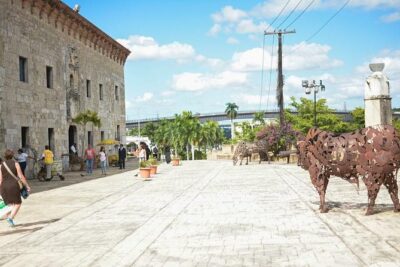
One of the standout street moments is Calle Las Damas, described as the first cobblestone street. Cobblestones can sound like a detail you ignore, but on your feet they become the texture of the place. You slow down without trying, you notice the rhythm of footing, and you feel how the street shapes movement.
That’s when the colonial setting stops being background. The alleys and streets create a sense of stepping into a different pace, and you get a clearer impression of how Dominican daily life continues in the same urban footprint. You may see life happening around historic walls, which is honestly what makes this kind of tour worth doing.
I’d treat this section as your “look up and look around” moment. Watch how the street turns, how the buildings frame the walkway, and where you can pause for photos without feeling rushed. With a guide, you also get direction on which spots are most meaningful, not just the prettiest.
Early institutions: cathedral, first university, Palace of Justice, and more
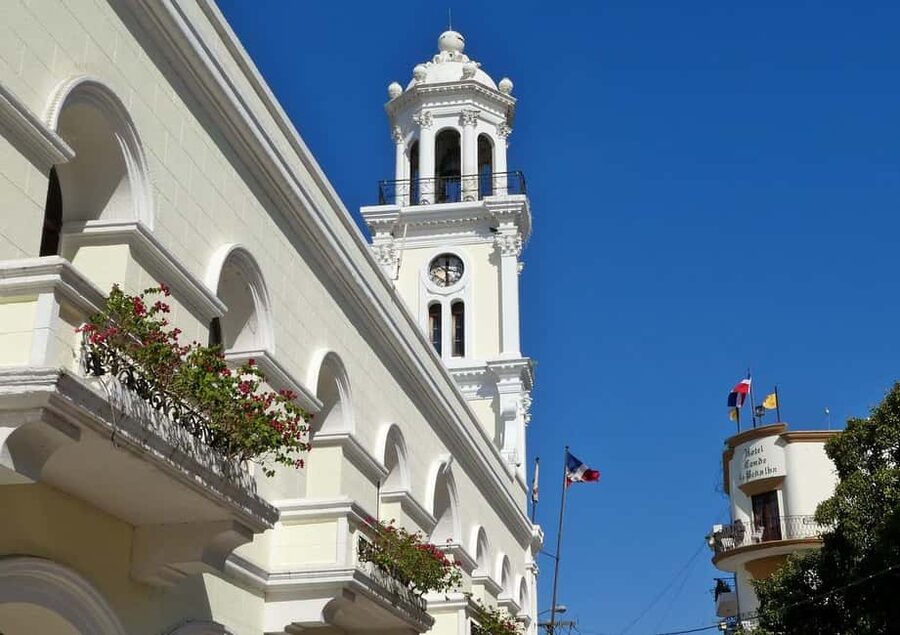
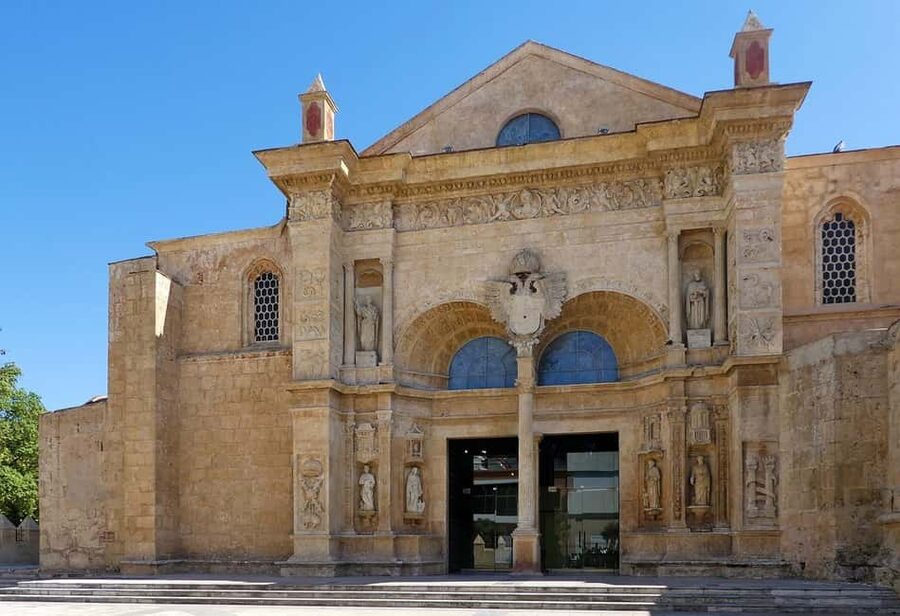
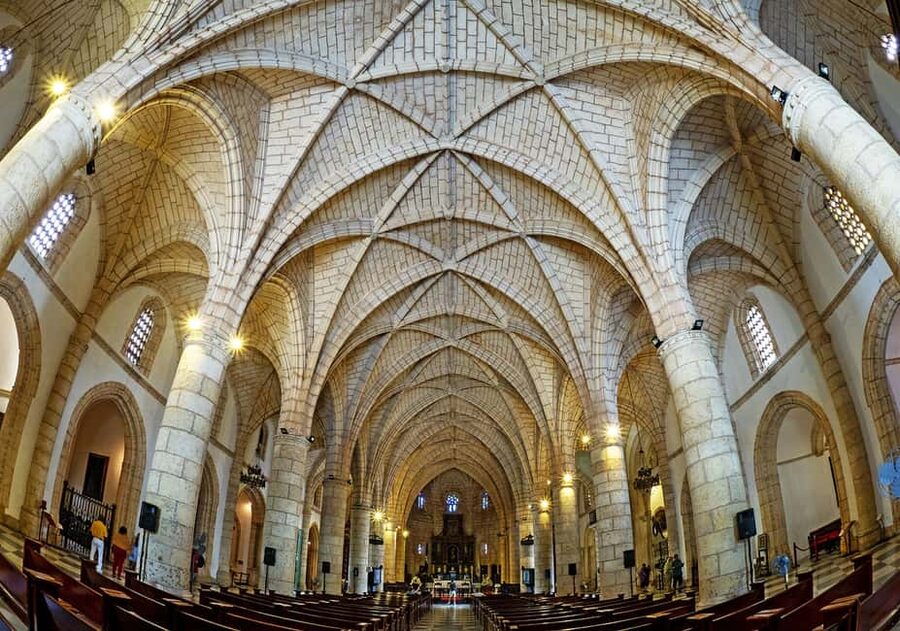
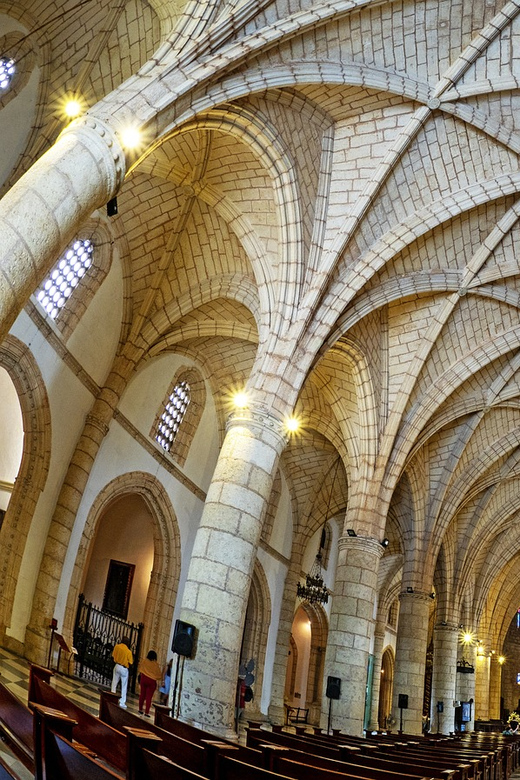
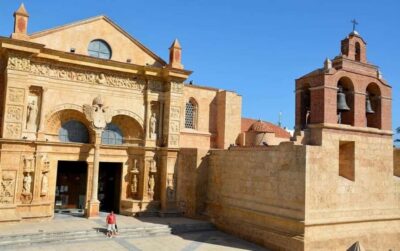
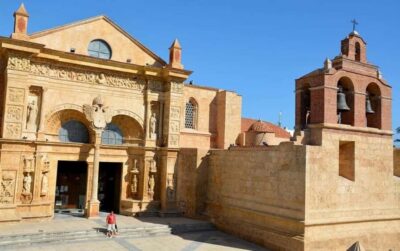
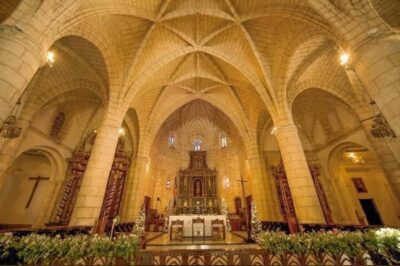
A big reason this tour is popular for first-time visitors is that it strings together major early institutions in a way you can actually remember. You’ll visit the first cathedral, and that religious anchor helps you understand why later institutions cluster around similar civic importance. The tour also includes the first university, and that education link changes how you interpret the rest of the stops.
Then you move into government and law, including the Palace of Justice. Seeing it on foot helps because you can connect the dots between who led the city and where decisions were made. This part is less about monuments and more about structure: how authority was organized.
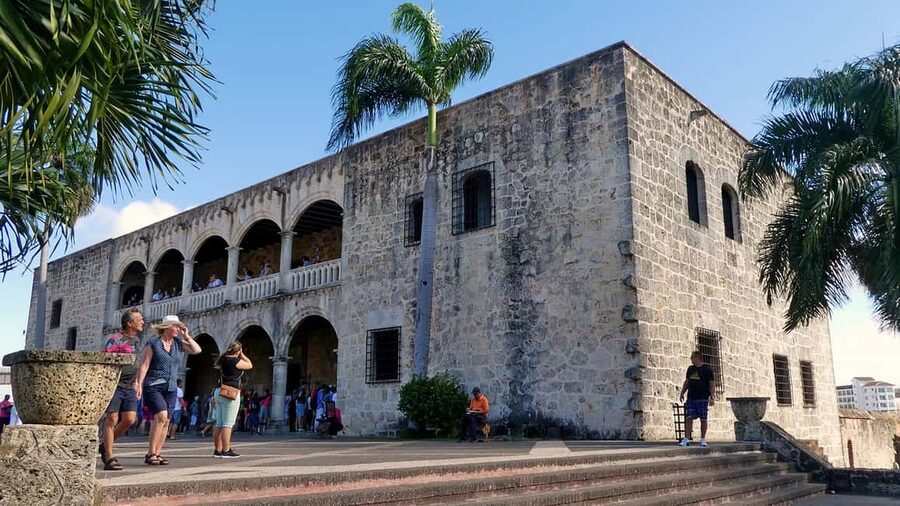
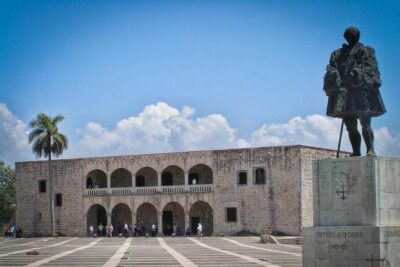
Along the way, the tour also references key foundations tied to early colonial life, including the first hospital, the first shipyard, and the first viceregal palace of the American continent. Even if you don’t get every detail at each exact doorway, the guided narrative helps you understand why those locations mattered.
Practical tip: if you’re someone who likes to ask questions, this is the best time. Ask what each “first” means for the city’s development. A good guide can make the story click, and the experience has been praised for being instructive and friendly. One verified booking specifically mentioned the guide being Sr Duran and described the visit as very enjoyable.
On foot around Santo Domingo
- Santo Domingo Small Group Walking Tour: Beer and Specialty Coffee
★ 5.0 · 55 reviews - Santo Domingo: Colonial Zone Walking Tour with Tastings
★ 4.7 · 37 reviews
Fortress Ozama: defense and a view that settles your bearings
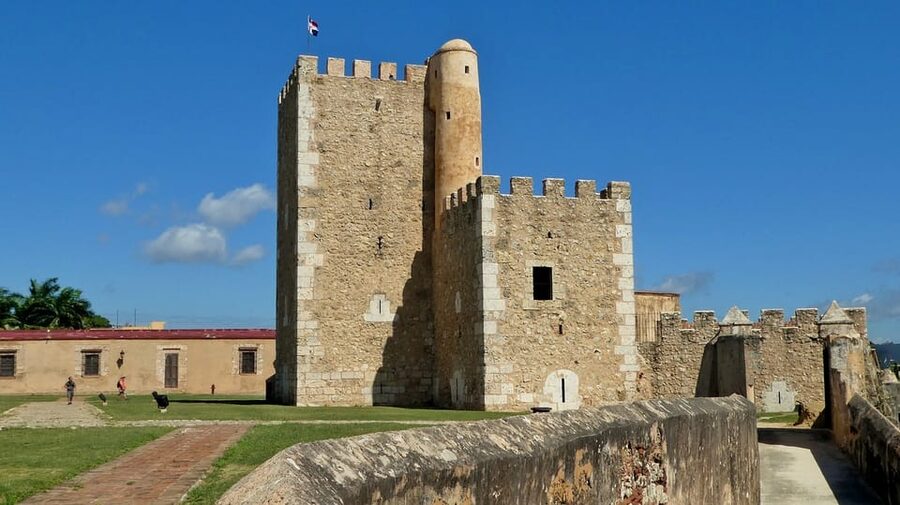
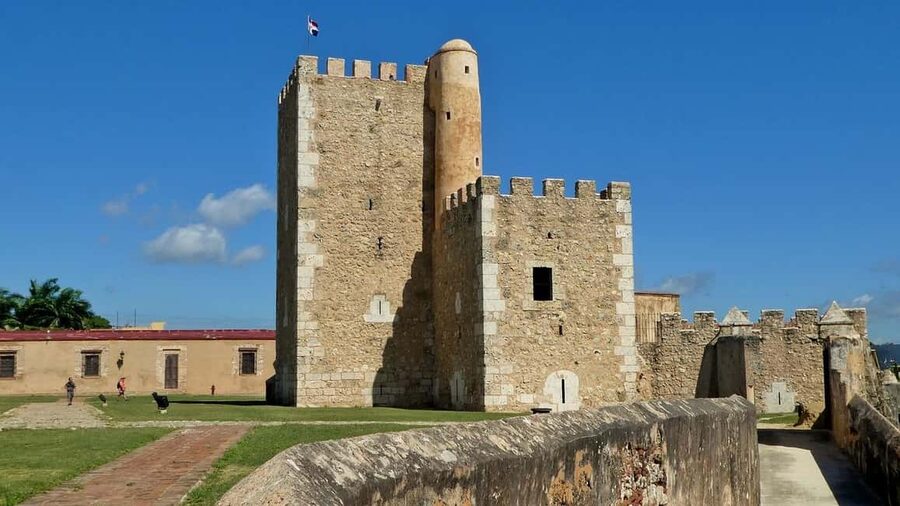
The Fortress Ozama is where the tour turns from “walking story” to “big picture view.” You get entry included, and you’re there for more than photos, even though the view is the obvious reason people remember this stop. Looking over the Ozama River gives you a sense of the geography that shaped defense and trade.
Fortresses are easiest to understand when you can see the surrounding area. From a height and a strategic position, you can better imagine how the river corridor worked. That connection is the real payoff: the stone walls become understandable as part of how Santo Domingo protected itself and moved goods.
This is also a good time to slow down. The tour structure includes fortress time, so you should plan on a brief pause, look around, and let the view do its job. If you like photography, tell your guide you want a few minutes for angles. You’ll often get the best shots when someone points out where light and perspective work.
Museums included: Museo del Mar and Museo del Ron
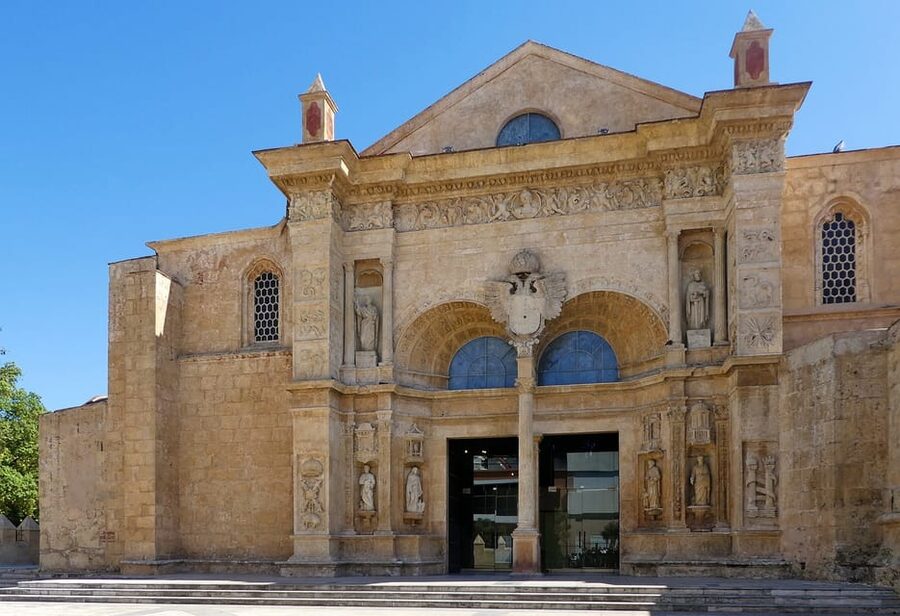
Not every walking tour includes museum time, so I like that Museo del Mar and Museo del Ron tickets are part of the package. These stops broaden the experience beyond early colonial buildings, giving you a more rounded picture of the country’s culture and interests.
The key is that museums are a break built into the route. When you’re walking in the heat or sun, indoor stops help your energy levels. They also give you something to focus on when you might otherwise be tempted to rush between landmarks.
What you get from museum entry is not just a ticket. It’s the chance to step into curated exhibits and learn at your own speed once inside. Your guide can help connect museum themes to what you’ve already seen outside, so the city doesn’t feel like separate fragments.
If you’re curious about how places evolve, this pair of museums helps. You see the city’s present-day cultural thinking, not only its early institutions. That balance can make a big difference if you already know some history but want the living culture too.
The National Pantheon and the rest of the landmark loop
The tour also includes entry to the national Panteon, which adds a different tone to the walk. After religious sites, government connections, and the fortress, the Pantheon brings the experience into the realm of remembrance and national identity.
This is where the route starts to feel like a full loop through the city’s meaning. You’re not just moving from one old building to another. You’re moving through places tied to governance, education, health, defense, and then a site that holds a national place in memory.
You’ll also have time to explore important museums, squares, and landmarks as the guide moves you from stop to stop. In practice, this means fewer “lost in translation” moments. Instead of you trying to figure out what matters on your own, the guide keeps the walk threaded with explanations and keeps you from spending the whole day chasing the wrong thing.
Photo tip: when you reach squares and landmark areas, pause before you snap. Let your guide point out the view lines or the most meaningful angle, especially when you’re mixing colonial architecture with city street life.
Languages, private-group feel, and who this tour suits
This is a private group walking tour, with a live guide who speaks Spanish, English, or French. That language support is more than convenient. It helps if you want real conversation, not just basic pointing. The tone of the experience also matters, and the strongest praise for the tour has leaned toward the guide being friendly and the explanations landing in an easy, instructive way.
It’s wheelchair accessible, which is a major plus when you’re dealing with older streets. The tour is not suitable for pregnant women, and children under 2 years are not recommended, so if you’re traveling with very young kids or expecting, you may want a different format.
Who benefits most:
- First-time visitors who want a tight overview of Santo Domingo’s early roots
- People who like walking and photos, but want structure
- Anyone who values guided context, especially around the city’s “first” institutions
- Travelers who want more than one type of stop, religious, civic, defensive, and museum-based
Price and value: what $55 gets you in 3 hours
At $55 per person for a 3-hour private walking tour, the best way to judge value is by what is included. You’re not just paying for a guide’s time and a stroll. Entry tickets are included for the cathedral, Fortress Ozama, the national Pantheon, and museums at Museo del Mar and Museo del Ron.
When you add up paid entries plus a professional guide, this price starts to make sense for a short, focused outing. It’s especially good value if you would otherwise have to choose between “just landmarks” or “only museums.” Here, you get a balanced mix, with the walking route providing the connective tissue.
A consideration: since it is a walking experience, your comfort matters. If you prefer rides over walking, you might feel limited by the pace. But if you enjoy exploring on foot, this price point fits a classic “high-impact, low time” format.
Should you book this private walking tour in Santo Domingo?
Yes, if you want a guided, efficient way to understand why Santo Domingo is considered such a foundational place in the Americas. This tour is built for people who like being oriented fast, especially through the UNESCO Zona Colonial area and the view-making stop at Fortress Ozama.
Book it if you value:
- A private guide and a route with clear meaning behind each stop
- Included museum time, not only churches and fortifications
- The chance to walk recognizable colonial streets like Calle Las Damas
Consider skipping it if walking long historic stretches is a deal-breaker for you, or if your group includes someone for whom this tour is not recommended, such as pregnant travelers or children under 2 years.
If you’re still deciding, I’d tell you to think about one question: do you want help turning sights into understanding? If yes, this is the kind of tour that makes the city feel easier to grasp.
FAQ
How long is the Santo Domingo private city walking tour?
The tour lasts 3 hours.
How much does the tour cost?
The price is $55 per person.
What does the tour include?
It includes entry tickets to the cathedral, Fortress Ozama, the national Panteon, and the museums of Museo del Mar and Museo del Ron, plus a local guide.
What languages is the live guide available in?
The guide is available in Spanish, English, and French.
Is the tour wheelchair accessible?
Yes, the tour is wheelchair accessible.
Is this tour private or shared?
This is a private group.
Who should avoid booking this tour?
The tour is not suitable for pregnant women, and it is not suitable for children under 2 years old.
More Tours in Santo Domingo


More Tour Reviews in Santo Domingo
The Capital, Three Hours West

Newly reviewed near Santo Domingo
- Santo Domingo: Private City Tour walking★ 4.1 · 3 reviews
- Santo Domingo: Paradisiac Waterfall & Lunch Cooked Over Wood★ 5.0 · 3 reviews
- “Private Airport Transfer from Santo Domingo (SDQ)”★ 3.5 · 3 reviews
- Full-Day Adventure Tour of Culture through Santo Domingo★ 3.5 · 3 reviews
- Santo Domingo to La Romana transfer★ 5.0 · 3 reviews
- A Private day in the First city of the Americas: Santo Domingo★ 5.0 · 3 reviews
Santo Domingo City Tours, compared.
 ★ 4.5Full-Day Santo Domingo City Tour from Punta CanaFrom $954,500 reviews
 ★ 3.5Day Trip to Santo Domingo from Punta CanaFrom $55659 reviews
 ★ 3.8Santo Domingo Day Trip with Tickets and LunchFrom $82584 reviews
 ★ 4.1All Inclusive Santo Domingo Full-Day City TourFrom $70553 reviews
 ★ 4.8Los Tres Ojos, Boca Chica & MoreFrom $87219 reviews
 ★ 4.0Historical Santo Domingo Day Trip from Punta CanaFrom $95176 reviews
 ★ 4.5Walking Tour from Santo Domingo CityFrom $60167 reviews
 ★ 3.6Santo Domingo Colonial City TourFrom $85129 reviews
Also filed under