
REVIEW · PUNTA CANA ADVENTURE TOURS
Punta Cana Cultural Tour History and Traditions Small Group
Church, crafts, and a river you can play in. This Punta Cana small-group culture trip strings together Dominican religion, everyday shopping, and countryside time, with the Basilica of Higüey as the big first stop. I also like the hands-on feel of the day, from a crafts workshop to a horseback ride that gets you out of the resort bubble.
Two other parts I especially like: the food built into the schedule (typical Dominican lunch plus snacks), and the tasting stops that focus on coffee, cocoa, and tobacco. One thing to plan for, though, is time in transit. Even when it’s described as a half-day trip, road time can be long, and in at least one case the day felt more stretched than expected.
Key highlights
- Higüey Basilica: a major spiritual and architectural landmark that sets the tone fast
- Craft workshop and national market: see how local goods get made, then shop at a real public market
- Horseback riding plus Anamuya River: countryside ranch time followed by a water-and-nature break
- Coffee, cocoa, tobacco, and a factory visit: watch traditional production and learn the story behind it
- Macao or Macau Beach finish: sand time at the end, before returning to Punta Cana
The rest of the Punta Cana adventure list
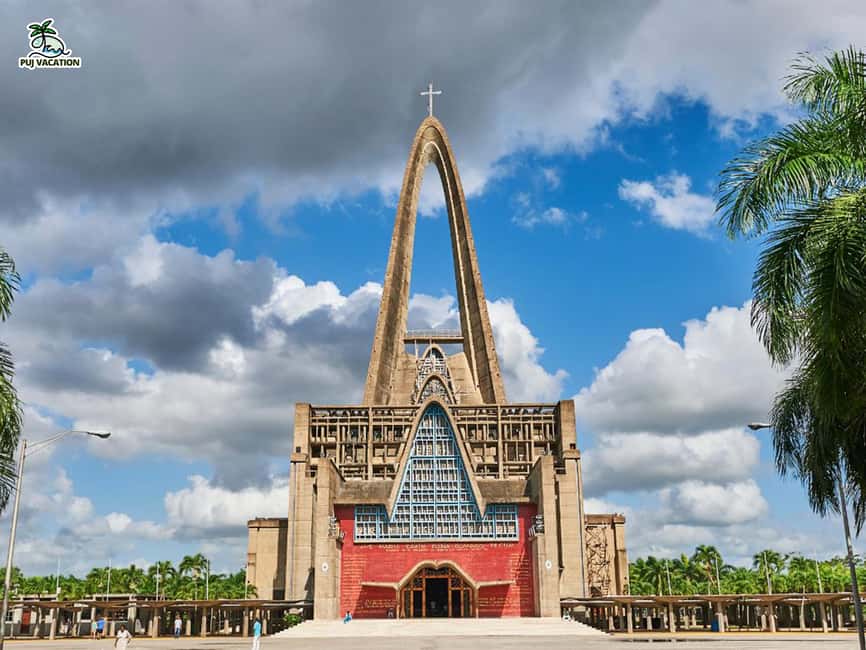
Higüey Basilica: the moment the day clicks into place
The tour starts in La Altagracia and heads straight to Higüey, where the Basilica of Higüey is the first major anchor. This isn’t a quick photo stop. You’re there to see an important Dominican landmark, then get some context from the live guide, in English, Spanish, or French.
What I like about building the day around the basilica is simple: it helps you understand what you’re seeing before the schedule becomes a swirl of markets, animals, and beach time. When you know what matters locally, the rest of the day feels more connected. It also gives you an early cultural payoff, which is great if road time later feels like a lot.
One practical note: in one example, the church stop was affected because it was closed. So if faith sites are a priority for you, keep your expectations flexible and treat the basilica visit as a highlight that might vary day to day.
Craft workshop and the national market: how locals actually shop and make
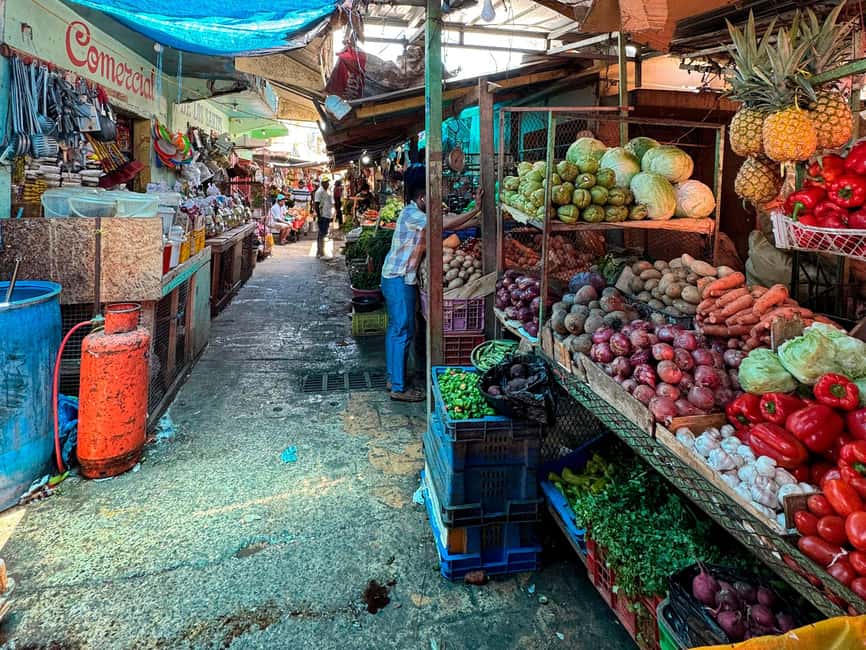
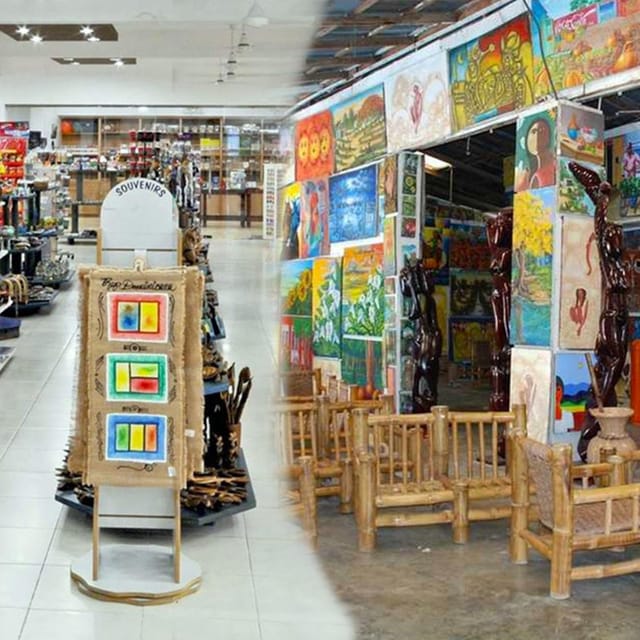
After the basilica, the day shifts from stone-and-spirit to hands-and-materials. You visit a crafts workshop, where you can see traditional pieces being made, then you move into the Dominican national market.
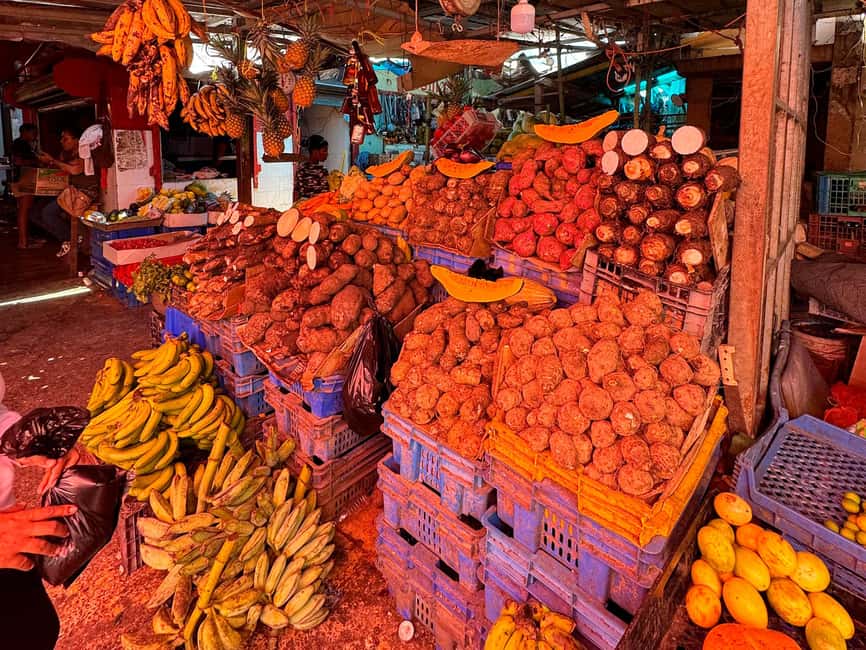
This is where the tour earns its cultural label. Markets are where you see daily rhythm: colors, smells, and the kind of casual bargaining that makes travel feel real. The best way to enjoy this stop is to keep it slow. Focus on materials and process first, then decide what you want to bring home.
Also, this tour’s market vibe is practical rather than pushy. In one experience, the day was described as having no intrusive sales pressure, which matters if you want to browse without getting steered. If you want souvenirs, this is the right moment to buy, since later stops are more about activities and views.
Tip I’d use: bring cash if you can, and plan on taking your time. Market purchases are more fun when you’re not rushing between spots.
Horseback riding on the ranch, then the Anamuya River break
The tour includes horseback riding on a ranch as you head into the countryside toward the Anamuya River area. Some riders will find this gentle, scenic, and laugh-friendly. Others should know the riding conditions can be imperfect. One account described the trail as rough, muddy, and rocky, with a mucky, muddy surface.
So here’s the real takeaway: treat the ride as part adventure, part comfort check. Wear shoes you trust, and don’t assume it’s a polished equestrian trail. If you’re nervous around animals or uneven ground, you may want to think carefully. This is also where a private guide matters, since they can help you settle in and manage expectations.
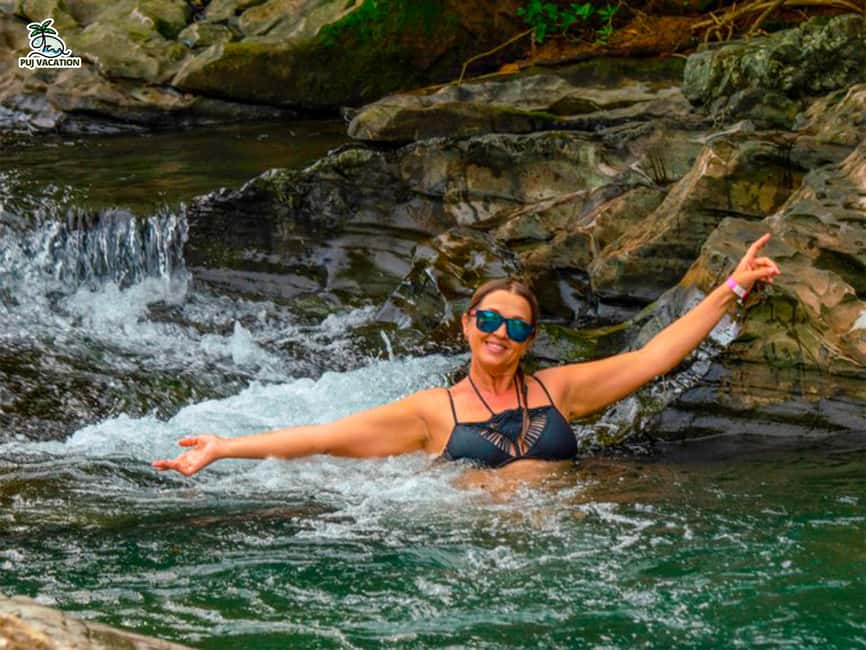
Then comes the payoff: the Anamuya River portion. You can swim, and there’s even time for play, including a natural slide. That combination is why this stop feels like a vacation break instead of another museum stop.
If water time is your thing, pack so you can actually use it. The tour asks you to bring a towel and beachwear, which tells you the river stop is meant to be hands-on, not just a look-and-go.
Coffee, cocoa, tobacco, and an art school: learning you can see
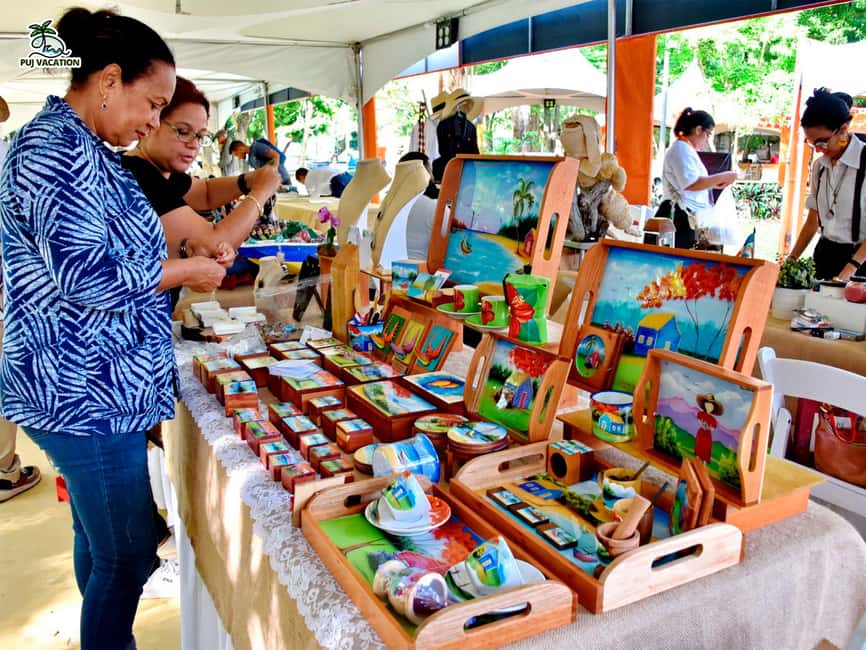
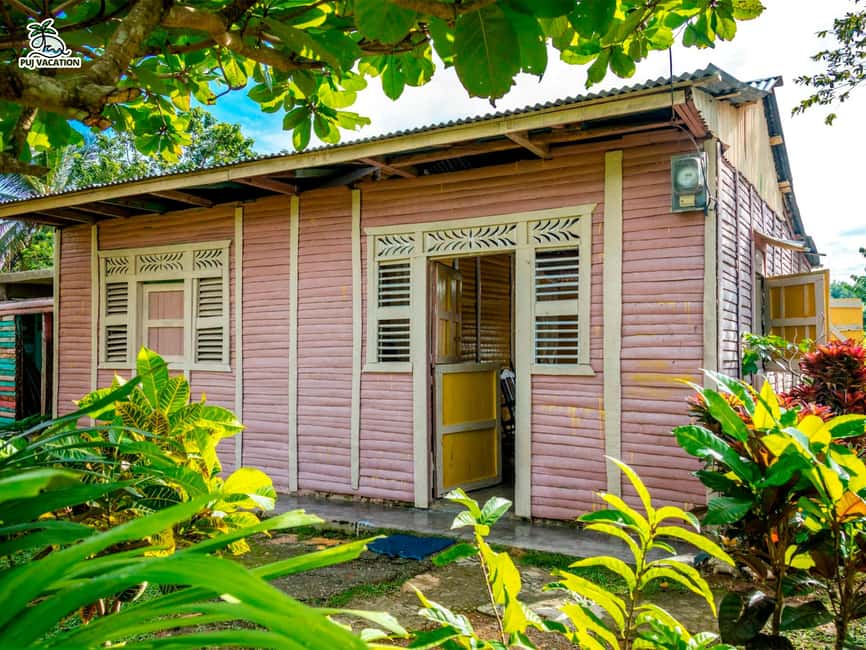
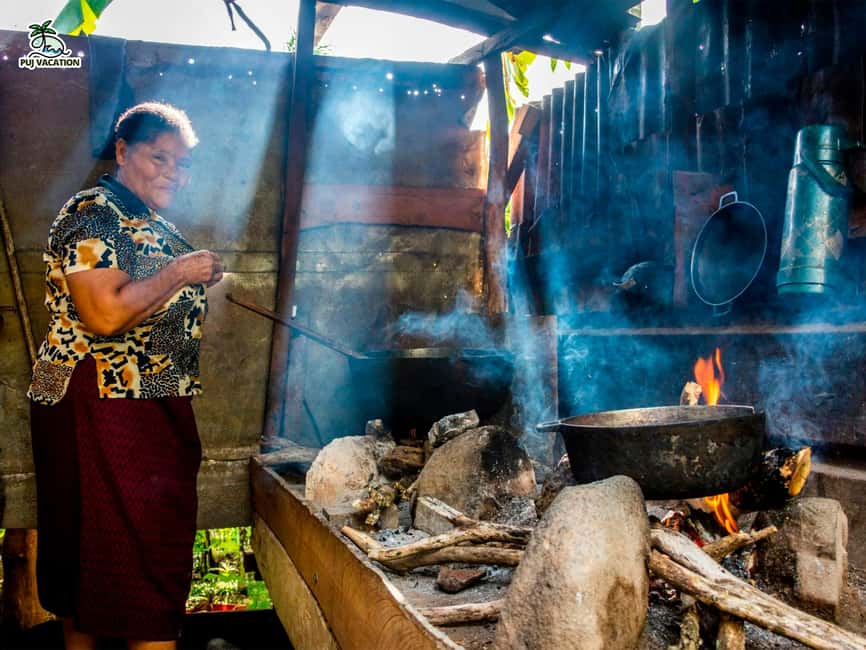
After the river, the day turns into a “how it’s made” section. You visit a local house and factory to learn about the coffee, cocoa, and tobacco industries. This is the kind of stop that makes culture stick because you can connect a product to a process.
One review highlighted cigar rolling as a standout moment, which fits the broader theme: you’re not just hearing names. You’re seeing hands at work and understanding how labor becomes a finished good.
You’ll also stop at an art school. Even if you don’t speak the local language, art schools tend to show you how people practice creativity day to day. It’s a calmer stop than markets, and it can be a good breather between transport-heavy moments.
I like this cluster of stops because it answers a question you’re probably carrying in your head on the drive from Punta Cana: what do people do when tourists aren’t around? Coffee, cocoa, tobacco, and crafts are part of that answer, and they connect directly to what you’ll see in shops later.
More history within reach of Punta Cana
- Half Day Dominican Republic Cultural Tour : Small Group
★ 4.5 · 1,862 reviews - From Punta Cana: Higuey Expedition Cultural & Historic Tour
★ 4.7 · 518 reviews - From Punta Cana: History and Culture Tour with River Swim
★ 4.5 · 275 reviews - Historical Santo Domingo Day Trip from Punta Cana
★ 4.0 · 176 reviews - Full Day Santo Domingo City Tour: History of the Caribbean From Punta Cana
★ 4.0 · 78 reviews
Macau Beach: sand time to close the loop
The final activity is Macau Beach, where you can relax on the sand or swim in the ocean before heading back to your hotel.
This is a smart end point. After basilica views, market browsing, riding, and factory learning, beach time gives your body a reset. And if your day runs a bit longer than planned, at least you get an actual payoff before you go.
If you’re sensitive to sun, don’t wait until you’re on the sand. Plan for shade and hydration early in the afternoon, especially if the road trip earlier felt warm or slow. The tour includes transport, but the itinerary still depends on roads and timing.
Price and logistics: $53 worth it, if you match the day to your style
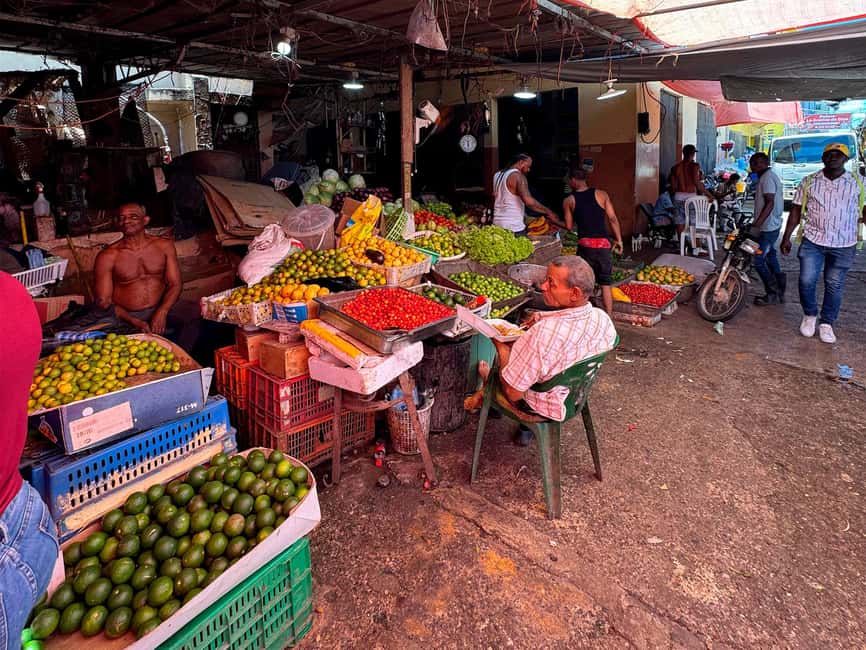
At $53 per person, this tour is priced to feel doable compared to the bigger full-day excursions. You’re getting multiple different categories in one package: one major landmark, a workshop, a market, animal time, river play, production learning, and a beach finish.
That’s the value equation. Even if each stop is shorter than you’d want if it were your only plan, the variety can make the day feel like you actually learned something, not just moved from one photo spot to another.
Where logistics can affect value is time in transit. One experience described the tour as longer than advertised and noted that the transport type and comfort level might not match what you expect from an air-conditioned ride. Another person said there was a lot of getting in and out of the van.
So here’s how I’d decide if it’s worth it for you:
- If you like variety and you’re okay with a schedule that changes often, this is a good way to spend one half-day to full-day style chunk outside the resort.
- If you hate long road rides or you want slow, deep time at fewer locations, you might feel rushed.
The tour does include pickup from your Punta Cana hotel, and the driver carries a banner with the travelers’ names, which makes meeting up easier. It also lists a skip-the-ticket-line feature, which can save minutes when stops involve entry lines.
Group feel, guide languages, and what “private” changes
Even though it’s called a small group experience, the activity is described as a private group, with a live tour guide who speaks Spanish, English, and French. In a real-life example, a guide named Robinson led the history and traditions with a warm, patient style, while driver Sunny kept the ride smooth.
Another guide example was Martinez, described as attentive and open to questions, with an additional helper for a short time at the church stop. These names matter because they hint at something practical: with a guide who interacts well, you get more out of short stops.
Private or small-group formats usually help in two ways:
- You can ask questions without waiting your turn.
- You can move through crowded places with fewer bottlenecks.
That said, one account also noted that stops can feel tight because the next group might catch up, reducing time at each location. So private is helpful, but the schedule still has momentum.
What to bring, what’s not allowed, and who should think twice
This tour asks you to bring:
- Towel
- Beachwear
Those are not optional if you want to actually use the river and beach time. You’ll likely want quick-dry items and a way to change, since the day mixes ranch time, river play, and ocean sand.
Not allowed:
- Alcohol and drugs
So keep it simple and focus on the cultural and nature parts of the day.
Not suitable for:
- Pregnant women
- People over 95 years
If horseback riding or getting in and out of transportation is a concern for you, this is the time to weigh your comfort level carefully.
A smoother day plan: how to avoid the usual frustration
This kind of tour can feel great when you go in with the right expectations. The biggest frustration tends to be transport time and short stop windows.
Here are a few ways to keep the day feeling fun:
- Bring a towel and wear something you can get wet in, because the Anamuya River stop includes swimming and a natural slide.
- Keep a light shopping mindset at the market and crafts workshop. You can always choose later, but if you wait too long, you may have less time.
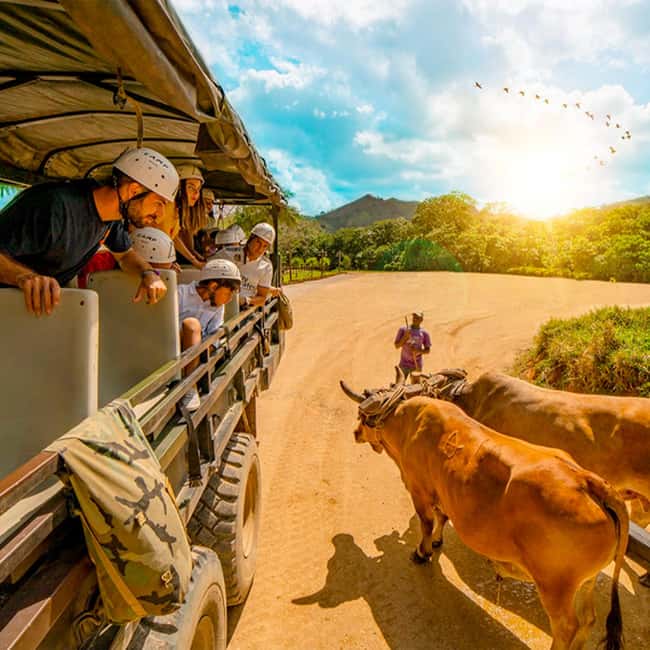
- If you’re heat-sensitive, treat the travel segments as part of the experience. Even when the route notes mention air-conditioned vehicle transport, some accounts describe safari-style trucks, so plan for sun and humidity.
- Keep your priorities ordered. If you really want the basilica and the river, accept that the factory and art school stops may be shorter than you’d like.
If you’ve had your fill of vehicles and want uninterrupted downtime, then this itinerary might not match your ideal pace. If you like variety and learning, it’s a strong match.
Should you book this Punta Cana cultural tour?
I’d book this tour if you want one organized day that touches the Dominican Republic beyond resort life, with real local building blocks: Higüey Basilica, a crafts workshop, a public market, countryside horseback riding, and Anamuya River swimming.
I’d skip or choose a different option if your top travel goal is slow time, lots of lounging between stops, or minimal driving. Road time can be longer than you expect, and riding conditions can be rough in places.
If you’re flexible, open to short stops that pack a lot in, and you actually want to taste and see how coffee, cocoa, and tobacco fit into daily life, this is a practical, good-value way to spend your time in La Altagracia.
FAQ
How long is the Punta Cana Cultural Tour History and Traditions Small Group?
The tour experience is described as a half-day guided trip from Punta Cana. Booking availability is shown as valid 8 days to check starting times.
Where does the tour take place?
It runs in La Altagracia, Dominican Republic, with stops including Higüey, the Anamuya River area, and Macau Beach.
What are the main highlights included on the tour?
The experience includes the Basilica of Higüey, a Dominican market, a crafts workshop, horse riding, time at the Anamuya River (including swimming), learning about coffee, cocoa, and tobacco at a local house and factory, and a final stop at Macau Beach.
Is pickup included?
Yes. Pickup is included from your Punta Cana hotel, and the driver carries a banner with the travelers’ names.
What food and tastings are included?
The tour includes typical Dominican food and snacks, plus a tasting of coffee, vanilla, cocoa, and fruits.
What does the tour include besides tours and food?
Transport is included, along with a live tour guide. The activity also includes skip-the-ticket-line.
What should I bring?
Bring a towel and beachwear.
Is alcohol allowed?
No. Alcohol and drugs are not allowed.
What languages is the guide available in?
The live tour guide is available in Spanish, English, and French.
Is there free cancellation and can I pay later?
Yes. You can cancel up to 24 hours in advance for a full refund, and there is a reserve now & pay later option.
More Tours in Punta Cana
More Tour Reviews in Punta Cana
The Rest of the Punta Cana Adventures
Newly reviewed near Punta Cana
- Bávaro To Punta Cana Airport (PUJ) One way★ 5.0 · 7 reviews
- Punta Cana Bavaro Buggy Adventure★ 4.0 · 7 reviews
- Punta Cana Luxury Snorkel & Beach Club Day at Playa Blanca★ 4.8 · 7 reviews
- Tour en buggy en Punta Cana★ 3.0 · 7 reviews
- Safari Tour in Punta Cana todo el dia una Aventura inolvidable★ 5.0 · 7 reviews
- Higuey City Tour – A Cultural Experience From Punta Cana★ 3.5 · 7 reviews
Punta Cana Adventure Tours, compared.
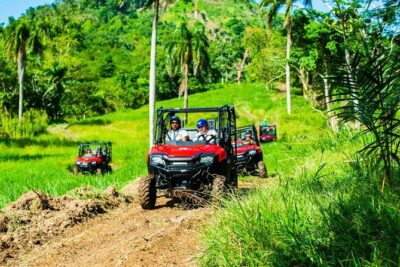 ★ 5.0Adventure Bundle: Monkeyland, Ziplines & Buggies Punta CanaFrom $20910,715 reviews
 ★ 5.0Private Airport Punta Cana to La Romana Bayahibe or Casa de Campo Resort AreaFrom $1706,662 reviews
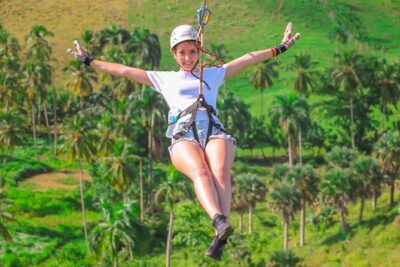 ★ 5.0Punta Cana Zipline Adventure with Buggies and Horseback RidingFrom $1005,001 reviews
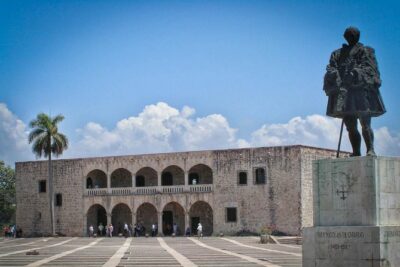 ★ 4.5Full-Day Santo Domingo City Tour from Punta CanaFrom $954,500 reviews
 ★ 4.4Catamaran Boat to Saona Island with Buffet LunchFrom $823,822 reviews
 ★ 5.0Monkeyland and Plantation Safari Tour from Punta CanaFrom $803,805 reviews
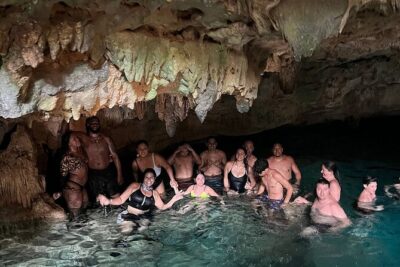 ★ 4.5Punta Cana Dune Buggy Adventure and Amazing Water CaveFrom $613,411 reviews
 ★ 4.5Private Punta Cana Airport Transfers Hotels in Dominican RepublicFrom $153,040 reviews
Also filed under