
REVIEW · SANTO DOMINGO CITY TOURS
Cook Traditional Dominican Cuisine with a Charming Grandmother in Santo Domingo
Cooking with a grandmother beats any cooking show. This small-group class happens in Rossy’s home kitchen in Gascue, about 10 minutes from the Zona Colonial, where you’ll learn family recipes and hear the stories behind them as you cook. The menu is centered on Dominican comfort food, with the kind of step-by-step guidance you only get in a real home.
I like the focus on hands-on Dominican cooking, and I also love that all ingredients are included in the $59 price. A key consideration: Rossy’s kitchen is small, so if you book for a larger group (seven or more), you may rotate through smaller groups to keep things comfortable.
Key Highlights Worth Marking on Your Map
- A home kitchen in Gascue that feels personal, not staged
- 2–3 dishes you actually make including sancocho and plátano frito
- Family recipes passed down with culture and cooking tips from Rossy
- Everything you need is included ingredients, meal, desserts, coffee, and drinks
- Private for your group, but space is limited so rotation may happen for 7+ guests
Other trips west to the capital
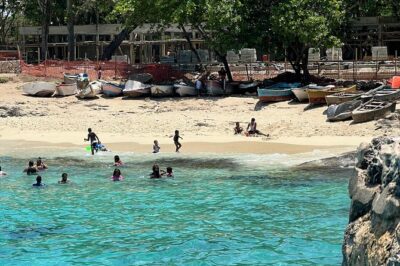
A Home Kitchen in Gascue, About 10 Minutes From the Zona Colonial
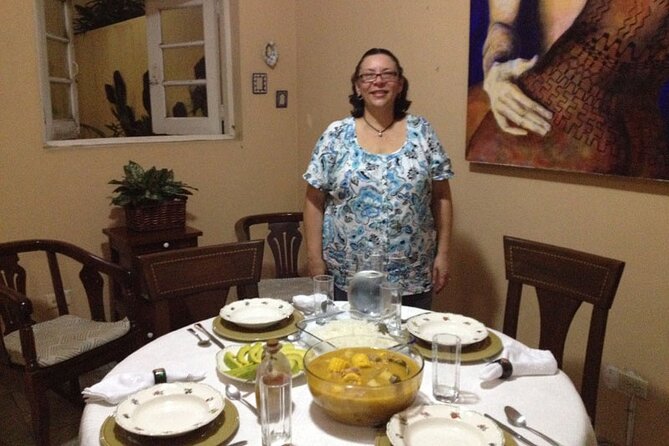
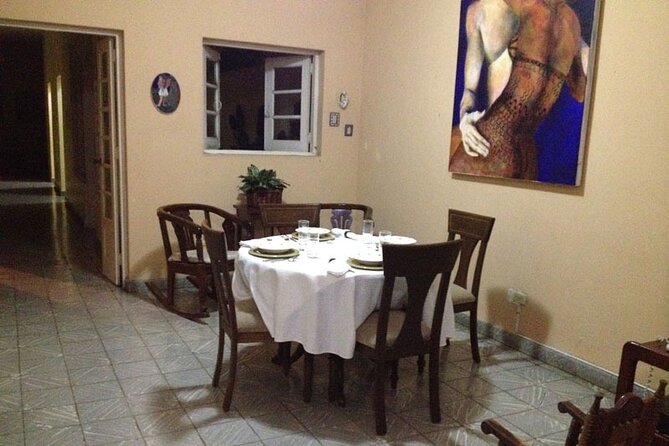
Santo Domingo is a great city to roam, but this experience gives you a different kind of view. Instead of moving from landmark to landmark, you head into a real neighborhood, Gascue, for a Dominican cooking class at Rossy’s home. It’s close to the Zona Colonial area, about 10 minutes away, so you’re not losing half your day to travel.
This location matters because it changes the tone. When you walk into a home kitchen, you get more than food instructions. You get context. Dominican meals are social, and the class is designed around that, with time to sit down and eat together after cooking.
The class is also described as private, personalized for your group, not a commercial show where you sit and watch. That difference is why the experience feels more like being invited into someone’s routine than attending a ticketed performance.
Meeting Rossy: The Part That Makes It Feel Like Culture, Not Just Recipes
The heart of this class is Rossy herself, a warm local grandmother who guides you step by step. You’ll work right alongside the host, learning techniques while she shares cultural stories and practical tips for cooking the dishes the way her family does.
In the reviews, you’ll see the same theme repeated, Rossy and her husband Nelson being welcoming and gracious, and in at least one instance her daughter Emily is involved too. That family dynamic is part of the value. It’s not only about learning a dish. It’s about learning how Dominican cooking fits into everyday life, who makes what, and why certain flavors and textures matter.
You can expect that the guidance is hands-on and paced for real people in a real kitchen. After you cook for about 1.5 hours, you move into the second phase, sitting down to enjoy what you made, plus homemade desserts and coffee.
What You’ll Cook: Sancocho, Plátano Frito, and Other Dominican Staples
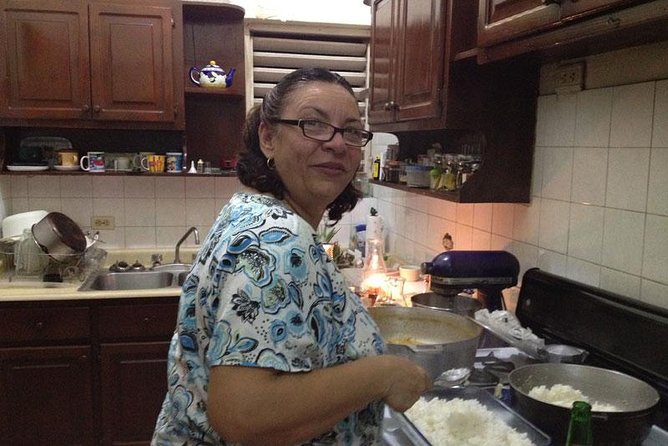
This class is built around making 2–3 traditional dishes. Two are especially central: sancocho and plátano frito.
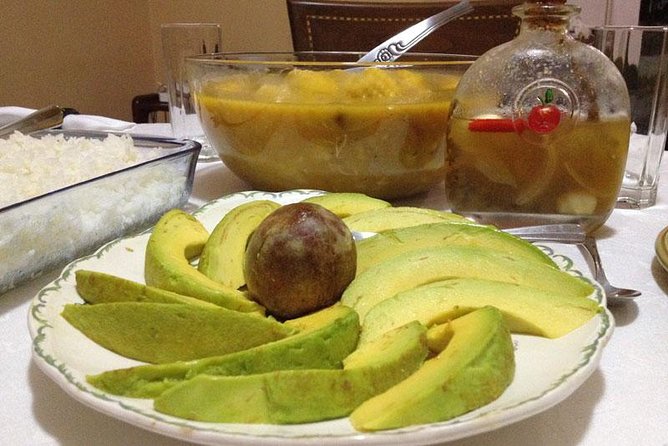
Sancocho, the hearty stew that anchors the meal
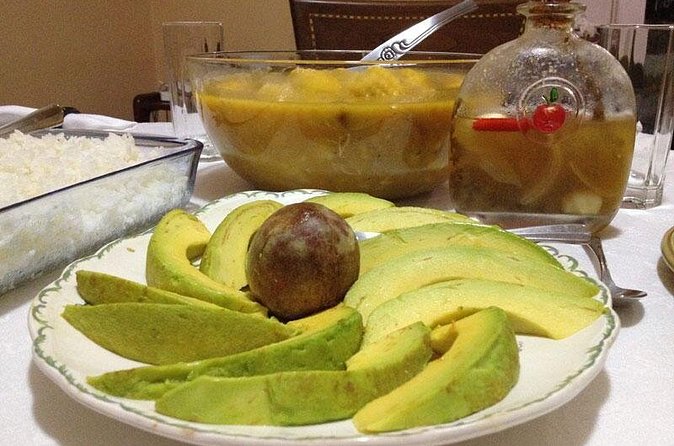
Sancocho is a meat and root vegetable stew, the kind of dish that signals comfort and gathering. You’ll learn how it comes together, and you’ll get a sense for how flavors deepen as it cooks. If you’re looking for one Dominican dish that represents both “home cooking” and “big meal,” sancocho is the one.
- Adventure Bundle: Monkeyland, Ziplines & Buggies Punta Cana
★ 5.0 · 10,715 reviews - Monkeyland and Plantation Safari Tour from Punta Cana
★ 5.0 · 3,805 reviews - Punta Cana Monkeyland and Zipline Two Adventures in One Day
★ 5.0 · 1,036 reviews - Half Day ATV Adventure Water Cave Authentic Eco Tour At PuntaCana
★ 5.0 · 990 reviews - Punta Cana Half Day 4×4 ATV Adventure
★ 5.0 · 877 reviews
Plátano frito, fried plantains with a sweet-savory punch
Plátano frito is fried plantains, simple ingredients, strong results. In class, you’ll learn how to prep them and fry them properly. The goal isn’t just to taste the dish, it’s to understand what makes it come out right, from handling the plantains to getting the frying stage where you want it.
Menu may vary by season, and that’s a good thing
The menu can change with the season. Depending on what’s available and what Rossy is cooking that week, you might also see other familiar Dominican staples on the table. In the supplied experiences, examples include pollo guisado, arroz moro, and baked breadfruit.
For you, the practical benefit is this: you are not locked into only one option that might not be your style. Rossy adjusts the menu, while still keeping the class centered on classic Dominican flavors.
Vegetarian option is available if you plan ahead
If you’re vegetarian, you can request a vegetarian option at the time of booking. That matters because a home kitchen can only work with what the host plans for, so giving notice early helps ensure you get a meal that feels intentional, not like an afterthought.
The Class Flow: 1.5 Hours of Cooking, Then a Real Meal at the Table
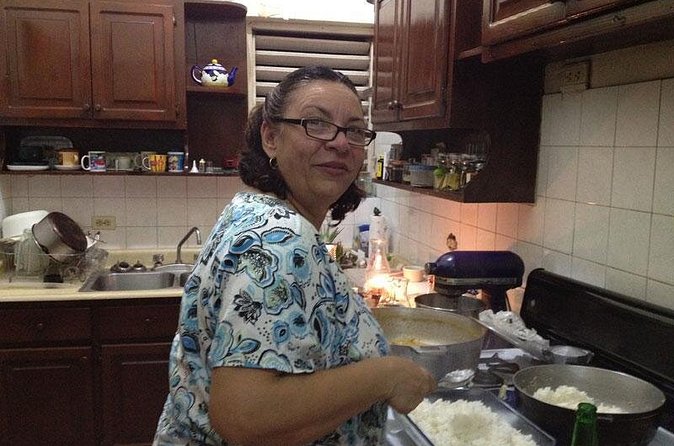
The time structure is straightforward. You’ll spend roughly 1.5 to 2 hours actively cooking, then you sit down with Rossy to eat your meal. In other words, you’re not done after the recipe lesson. The class ends with the payoff, tasting what you made while you’re still in conversation with your host.
This is important for value. A lot of cooking classes end at the moment you plate the food. Here, you stay for dessert and coffee too, plus drinks, so you get the full experience of a Dominican meal, not just a cooking session.
What you’ll get to eat
You’ll enjoy the dishes you prepared together, and the meal includes homemade desserts and coffee. The class also includes local beer, rum, or a Cuba Libre cocktail, depending on what’s offered for your group.
If you’re the type who likes to compare flavors across countries, this portion is where Dominican cuisine really lands. You’ll taste familiar elements in a home-cooked format, with the timing and seasoning that come from experience, not a classroom version of the dish.
Social time is part of the lesson
Rossy’s explanations are not only technical. They come with cultural stories, and it stays conversation-friendly. In practice, that means you’re learning while you’re eating, not memorizing in silence.
What $59 Buys You, and Why It’s Good Value for Santo Domingo
At $59 per person for about 3 hours, this class sits in an affordable range for a home-based experience in a major city. The cost makes more sense when you look at what’s included.
Here’s what the price covers:
- Ingredients for the dishes you cook
- The meal you prepare
- Homemade desserts and coffee
- A drink included, such as local beer, rum, or a Cuba Libre cocktail
That inclusion is the real difference between this and a cheaper hands-on activity that might require you to cover food separately. You’re paying for both the cooking time and the full meal experience.
Also, you’re not just following instructions. You’re learning technique from someone who’s been cooking those dishes for years. That’s hard to price, but it’s what you’re buying when you choose a home kitchen over a commercial class.
The group format matters too. It’s described as small-group and private for your group, so you’re less likely to feel lost or rushed. And because the space is a home kitchen, the experience focuses on quality over volume.
Transfers, Timing, and How the Small Kitchen Handles Larger Groups
This class starts and ends back at the meeting point in Santo Domingo, with the option of transfers if you choose the add-on. Rossy offers pick-up and drop-off transportation for a smoother experience.
Timing is also simple: it’s about 3 hours total, with cooking for around 1.5 hours and then eating. If you’re planning your day, this fits neatly between sightseeing blocks. Since the home is about 10 minutes from the Zona Colonial, you can connect it to a broader Santo Domingo itinerary without feeling like you’re crossing the city for a single stop.
One caution to keep in mind: Rossy’s kitchen can feel tight for bigger groups. For groups of seven or more, guests will work in smaller groups and rotate. If you’re booking as a family or with a larger group of friends, it’s not a dealbreaker, but it does affect how hands-on everyone feels at once.
Who This Experience Fits Best (And Who Might Want a Different Class)
This is ideal if you care about real home cooking, not just an activity. You’ll probably enjoy it most if you:
- Like learning by doing, with step-by-step guidance while you cook
- Want to try Dominican comfort food you can’t easily copy from a generic recipe
- Prefer a conversation-forward experience with local hosts
- Travel with friends or family and want a private class for your group
It can be a good pick for solo travelers too, since the experience is hosted in a welcoming family setting. If you’re someone who hates cooking stations, knives, and stepping away from the table to stir or prep, you might find the hands-on portion less your style. But if you’re open to getting your hands in the process, this class is set up for that.
Should You Book Rossy’s Dominican Cooking Class?
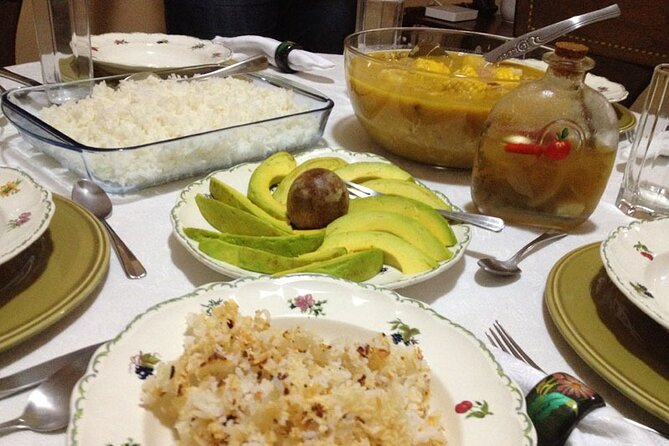
Yes, if your goal is to eat well and learn something you can actually make again. This is the kind of experience where the price makes sense because you’re not paying just for a recipe. You’re paying for ingredients, cooking time, a full meal with dessert and coffee, and included drinks, all in a home kitchen setting in Santo Domingo.
Book it especially if you want sancocho and plátano frito and you value a genuine local perspective from Rossy and the people around her. If you’re sensitive to cramped spaces or you’re traveling with a group of seven or more, plan on rotation inside the kitchen.
FAQ
Where does the cooking class take place?
The class takes place at Rossy’s home kitchen in Gascue, Santo Domingo, about 10 minutes from the Zona Colonial.
What dishes will we cook?
You’ll prepare 2–3 traditional Dominican dishes. Sancocho and plátano frito are specifically included, and the menu may vary depending on the season.
How long is the experience?
The experience lasts about 3 hours total, with roughly 1.5 to 2 hours spent cooking before you sit down to eat.
Is there a vegetarian option?
Yes, a vegetarian option is available. You should advise the provider at the time of booking if you need it.
What’s included in the $59 price?
The price includes all ingredients used during the class, the meal you prepare, homemade desserts and coffee, and a local drink such as beer, rum, or a Cuba Libre cocktail.
Do you offer transfers?
There is an optional transfers add-on. Rossy offers pick-up and drop-off transportation for a seamless experience.
Is this a private class or shared with other people?
It’s private for your group, meaning only your group participates.
More Tour Reviews in Dominican Republic






The Capital, Three Hours West


Newly reviewed near Dominican Republic
- Punta Cana Jet Ski, Buggy, Aqua Kart & Water Park Access★ 3.5 · 7 reviews
- Saona Island Premium- Exclusive Beach And Mano Juan FullDay★ 3.6 · 7 reviews
- Cap Cana Hotels To Punta Cana Airport (PUJ) One Way★ 5.0 · 8 reviews
- Punta Cana Airport to PARADISUS PALMA REAL in Punta Cana R/T★ 5.0 · 8 reviews
- ATV Rental in Jarabacoa★ 5.0 · 8 reviews
- Punta Cana Airport to ALL OCCIDENTAL RESORTS in PUNTA CANA R/T★ 5.0 · 8 reviews
Santo Domingo City Tours, compared.
 ★ 4.5Full-Day Santo Domingo City Tour from Punta CanaFrom $954,500 reviews
 ★ 3.5Day Trip to Santo Domingo from Punta CanaFrom $55659 reviews
 ★ 3.8Santo Domingo Day Trip with Tickets and LunchFrom $82584 reviews
 ★ 4.1All Inclusive Santo Domingo Full-Day City TourFrom $70553 reviews
 ★ 4.8Los Tres Ojos, Boca Chica & MoreFrom $87219 reviews
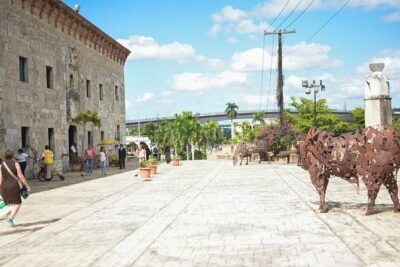 ★ 4.0Historical Santo Domingo Day Trip from Punta CanaFrom $95176 reviews
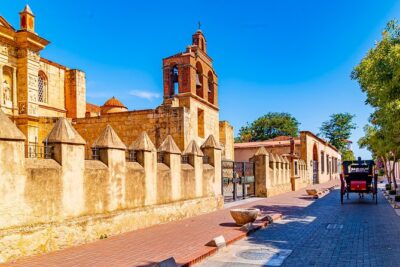 ★ 4.5Walking Tour from Santo Domingo CityFrom $60167 reviews
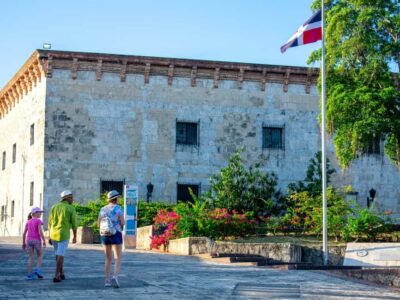 ★ 3.6Santo Domingo Colonial City TourFrom $85129 reviews
Also filed under