
REVIEW · SHOPPING TOURS
‘Chillo al Coco’ Cooking Class & Taino Concept store
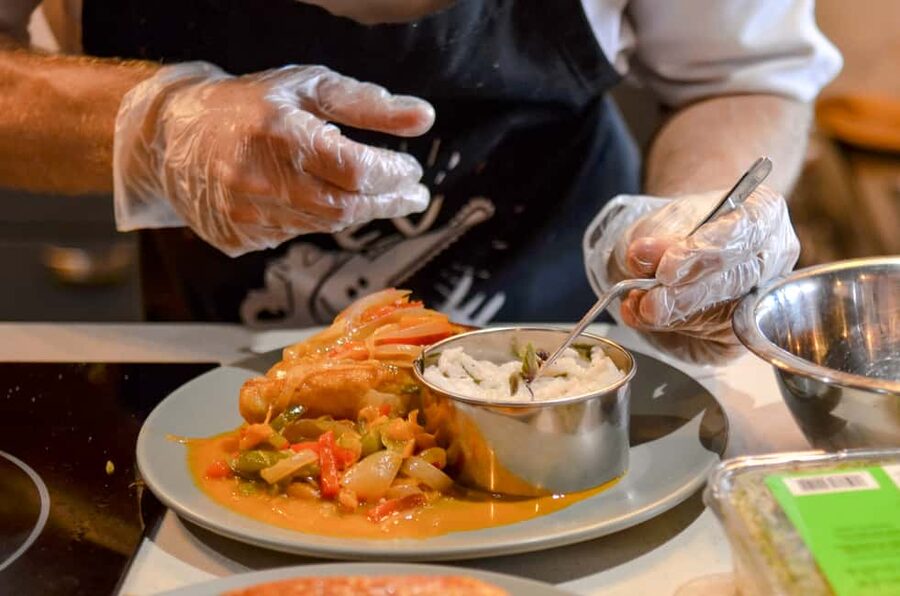
Red snapper meets Taino technique. In this cooking class in La Altagracia, you learn how to make chillo al coco using local ingredients, including cassava, plantain, and rice. I like that it’s a small group (up to 10), so the cooking feels hands-on, and I also like the focus on the coconut sauce method, not just assembling a plate. One thing to consider is that the day can run longer than expected, with some people noting extra time and a shop stop on the way.
What makes it feel worth your time is the mix of learning and doing, plus hotel pickup and drop-off from the Punta Cana area. The instructor support is a big part of that, too, with guides like Randy, Ruth, and Roody getting praise for being patient, funny, and genuinely helpful. If you’re the kind of traveler who wants zero delays and a strict schedule, keep your expectations flexible.
Key highlights worth your attention
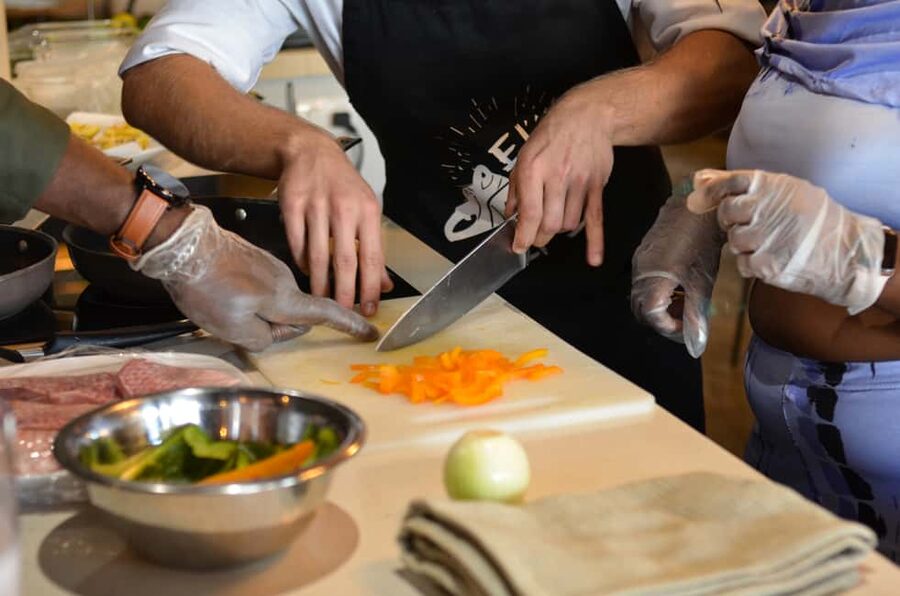
- Hands-on Taino cooking focused on making chillo al coco from prep to simmer.
- Fresh coconut sauce method using grated coconut to create the creamy milk base.
- Balanced plate with red snapper paired to cassava, plantain, and rice.
- Small group experience capped at 10 participants for better coaching.
- Pickup included in the Punta Cana zone with clear timing rules for meeting the van.
- Real-world staff responsiveness when issues happen, including professional handling of a power outage.
Markets and shops around Punta Cana
Chillo al Coco at Taino Gourmet Cooking Lab, what you actually cook
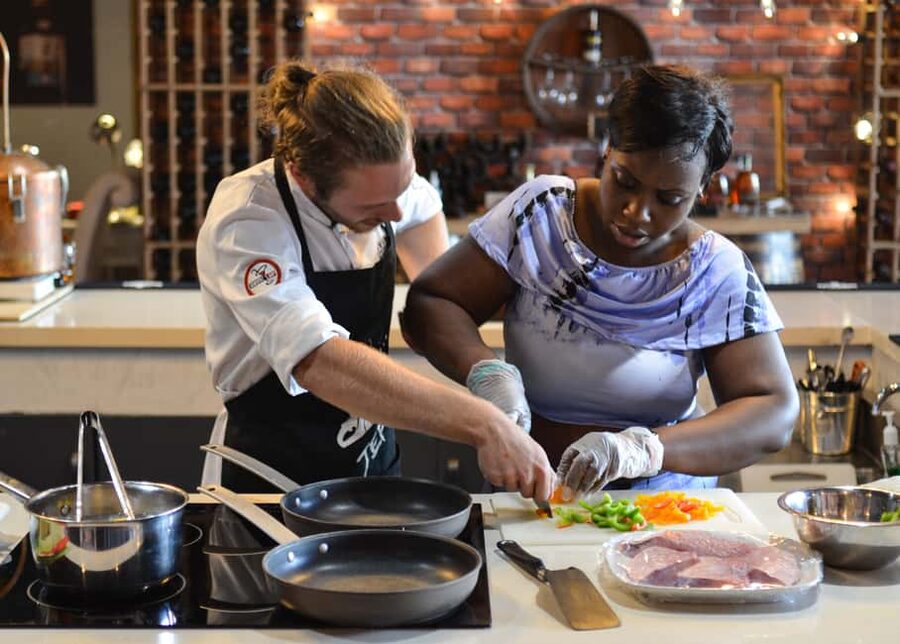
This experience centers on one classic Dominican dish: chillo al coco, red snapper cooked in a creamy coconut sauce. You’re not just watching someone else cook. You’ll move through the workflow step by step, from preparing the fish to building the sauce and finishing the meal.
The class also teaches the bigger picture of Dominican and Taino-influenced cooking techniques by using fresh local ingredients. Your final plate is designed to feel complete, not like a single-food demo. You’ll pair the fish and coconut sauce with cassava, plantain, and rice, which helps the meal land with the right balance of texture and flavor.
If you like food classes that teach process, this is a good fit. If you only want a quick tasting, you might find it a lot more labor than you expected because the core value here is cooking, not sightseeing.
Hotel pickup from Punta Cana, how the day usually moves
The day starts with hotel pickup in the Punta Cana area, using an air-conditioned minivan. Transport is included in the price, and you’ll also get hotel drop-off back at the end. The provider is clear about meeting times, too, which matters if you’re trying to keep the rest of your day on track.
Here’s what to plan around. You’ll be asked to wait in the hotel lobby about 10 minutes before your pickup time. Then the van will not wait more than 5 minutes after the scheduled pickup time, so being early really helps.
There’s also a geographic note that can affect your total cost. Free transport is included only in the area of Bávaro and Punta Cana, while clients from the Uvero Alto Zone have an extra charge. If you’re not staying in Bávaro or Punta Cana, double-check the pickup coverage so the “included” part stays accurate.
A practical heads-up from real experiences: the schedule can stretch, and one review mentioned extra time and a stop at a shop en route. That doesn’t mean it always happens, but it’s smart to build in some flexibility if you have a later dinner plan.
Taino cooking techniques in practice, cleaning and seasoning the fish
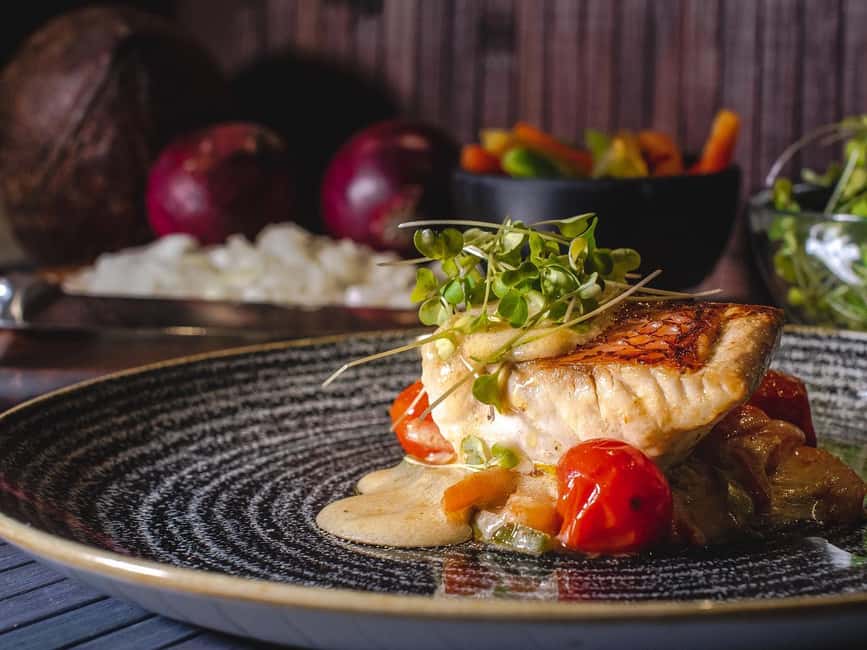
Once you arrive at the cooking location, the class follows a logical arc. First comes the fish prep: cleaning and seasoning the red snapper with an aromatic blend of herbs and spices. This part is where you’ll see how the class teaches technique, not shortcuts.
Why this matters for you: good seasoning is the foundation for everything that follows, especially when you’re going to add coconut sauce later. If the fish is under-seasoned, the sauce can taste heavy but flat. If it’s well-seasoned, the coconut cream feels balanced and the fish stays the star.
The lesson also sets you up for the next step, simmering the fish in the coconut base. That simmer time is where flavors melt together, and where you get to see the sauce work as a cooking medium, not just a topping.
Coconut sauce made from scratch, the creamy part you’ll remember
The coconut sauce is the star of chillo al coco. In class, you’ll use freshly grated coconut and extract the coconut milk to make a smooth, creamy base. This isn’t a dump-and-stir moment. You’re learning the method behind the texture.
Then comes the flavor layering. The sauce gets peppers, onions, and garlic for heat and depth. Only after the sauce is ready do you add the fish and let it simmer until fully cooked. That simmer step is where you see the sauce thickening and clinging, and where the fish picks up the coconut flavor without turning dry.
If you like sauces you can recreate at home, this is the transferable part of the day. Even if you never cook red snapper again, the coconut milk approach and the pepper-onion-garlic base can translate to other seafood or chicken dishes.
One note that helps your expectations: drinks are not included. Coconut sauce can be rich, so plan to have water or a beverage available separately if you need it during or after cooking.
- Punta Cana Dune Buggy Adventure and Amazing Water Cave
★ 4.5 · 3,411 reviews - Half-Day Adventure 4×4 ATV, Water Cave and Dominican Culture
★ 4.5 · 3,394 reviews - Private Punta Cana Airport Transfers Hotels in Dominican Republic
★ 4.5 · 3,040 reviews - 4×4 Dominican Adventure with Chocolate and Coffee Tasting
★ 5.0 · 2,920 reviews - Saona Island Day Trip From Punta Cana with Lunch and Open Bar
★ 4.5 · 2,709 reviews
The plate makes the lesson, cassava, plantain, and rice
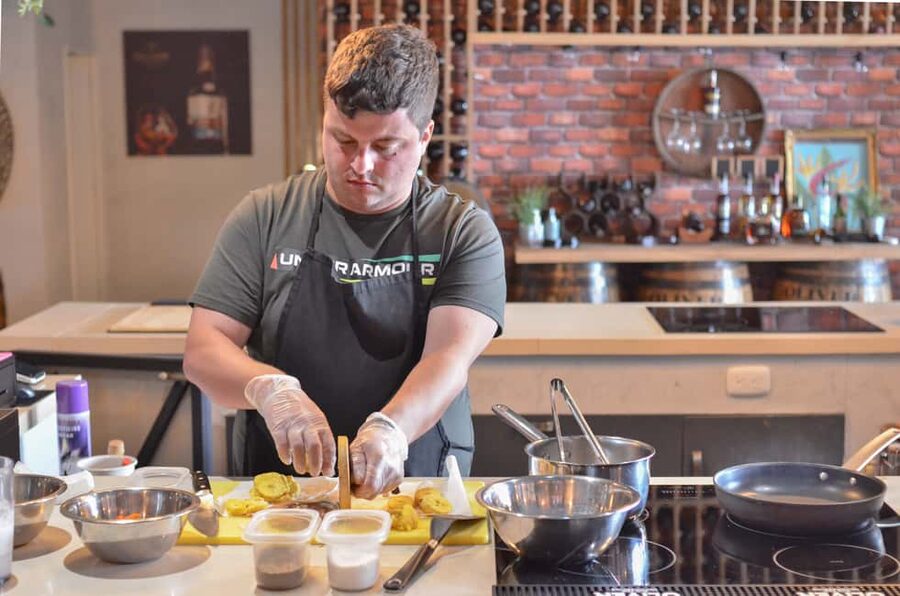
A lot of cooking classes leave you with one dish and a vague side. This one leans into a full Dominican-style plate. After the fish simmers, you’ll serve chillo al coco with cassava, plantain, and rice.
Why this pairing is valuable. Cassava brings a starchy, grounding base. Plantain adds sweetness and a soft, almost buttery contrast. Rice makes everything easier to balance, and it also stretches the meal so it feels satisfying, not just photo-ready.
This matters especially if you’re coming hungry from your hotel. You’re paying for a cooking experience that ends with a complete meal you can eat, not a snack with an educational lecture.
If you’re picky about foods, this is a heads-up list. Your side lineup is set: cassava, plantain, and rice, and the fish is red snapper. There is no alternative protein or menu listed in the provided information, so it’s worth thinking about dietary restrictions before booking.
Price and value at $98 per person, what’s covered
The price is $98 per person for a 1-day experience. On paper, that sounds like a premium cooking class. In practice, the value improves because the package includes hotel pickup and drop-off by air-conditioned minivan, plus local taxes.
Here’s what that means for you. If you’re staying in the Punta Cana or Bávaro zone, you avoid the hassle of arranging transport on your own. That’s not just comfort, it also reduces time stress, because you’re less likely to miss the start of a hands-on class.
What isn’t included is also clearly defined. Drinks and beverages are not included. So while the meal and cooking instruction are part of the value, your total food and drink spending will likely creep upward if you plan to buy sodas, juice, or alcohol.
Also check timing relative to your schedule. The class is labeled as 1 day, and you’ll be looking for starting times based on availability. If you have strict plans later in the day, you’ll want to leave buffer time because some experiences have been reported as longer than the scheduled window.
Instructors and small group size, why the coaching feels personal
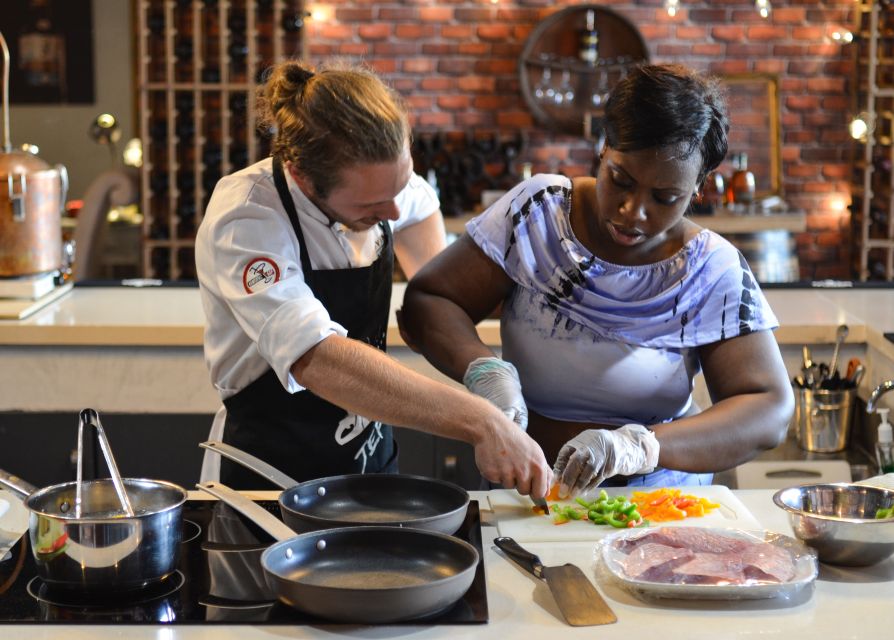
This class is capped at 10 participants, which is a big deal for a cooking lesson. Smaller groups mean you can get corrections and guidance while you’re working with the fish and sauce. It also helps the overall vibe. You’re more likely to ask questions, and less likely to spend the whole time waiting your turn.
Language support is also part of the value. Instructors communicate in English and French. If you’re traveling with mixed language needs, the format is designed to work for those languages.
The best praise in the feedback points to instructor personality and patience. People highlighted Randy for being amazing and teaching a lot. Others praised Ruth as making the class fun and educational. Roody was described as patient, funny, and kind. Those kinds of traits matter in a food class because small mistakes happen fast, especially with seasoning and simmering.
If you’re a beginner, a patient instructor can make the difference between “I learned something” and “I just followed instructions.” Based on the feedback style, you’re likely to get the former.
Taino Concept store stop and the practical timing reality
The experience is listed as a cooking class plus access connected to the Taino Concept store. The supplied details don’t describe what you’ll do there, but it does suggest there’s at least a stop tied to the concept store as part of the overall day.
Timing can affect how much you enjoy that stop. One review mentioned arriving with extra time and visiting a shop en route. That same theme shows that the schedule can include extra movement beyond the kitchen portion.
My take for planning: treat the day as a half-day to full-day experience, not a 60-minute add-on. You’ll enjoy it more if you don’t stack tight appointments immediately after pickup or after the cooking portion.
When things go wrong, how the team handles it
In any hands-on class, small problems can happen: weather, power, equipment, timing. One review specifically described a situation where a course was interrupted due to a power outage. The staff response was professional, with an attempt to find an alternate date. When that wasn’t possible for the group’s departure timing, a refund was initiated for the paid amount.
That’s the kind of real-world risk that matters to you because you’re spending money and travel time. It’s reassuring to know the provider handled the problem with a process, not a shrug.
Still, you should build a little buffer into your trip plans. No one wants surprises on vacation. Even when companies handle issues well, you don’t control your flight times or your hotel schedule.
Who should book this Punta Cana cooking class
This one fits best if you want a Dominican Republic food experience that teaches technique. It’s also a good choice if you like learning about Taino-influenced methods through real ingredients and real steps, rather than through a lecture.
You’ll likely enjoy it if:
- You want to cook, not just watch.
- You like seafood, and you’re open to red snapper.
- You want a fuller meal ending with cassava, plantain, and rice.
- You value small group attention and English or French instruction.
You might think twice if:
- Your schedule is extremely tight and you can’t tolerate a longer day.
- You dislike coconut flavors or prefer drinks included in a price.
- You need a completely flexible menu, since the dish and sides listed are specific.
This isn’t a museum stop with photos and a snack. It’s a hands-on cooking class where you leave with practical knowledge you can reuse.
Should you book Chillo al Coco Cooking Class?
If you’re in Punta Cana or Bávaro and you want a hands-on cooking experience with a clear payoff, I’d book it. For me, the best part is the combination: you learn a specific Dominican dish (chillo al coco), you make the coconut sauce from scratch, and you finish with a real plate that includes cassava, plantain, and rice. Add hotel pickup and drop-off, and the $98 price starts to feel fair for what you get.
My main “pause” is timing. Some reports mention extra time and a shop stop en route, so give yourself slack. Also remember drinks are not included, so plan for that cost if you want to stay hydrated or have a beverage.
If you’re the kind of traveler who enjoys cooking classes where the instructor is warm, patient, and helpful, this one has the right ingredients in the people and the process.
FAQ
What dish do I learn to cook in the class?
You’ll learn how to make chillo al coco, using red snapper with a coconut sauce. The meal also includes cassava, plantain, and rice.
How long is the experience?
The duration is listed as 1 day. Starting times depend on availability.
Is hotel pickup included, and where is transport free?
Yes, hotel pickup and drop-off are included. Free transportation is included only in the area of Bávaro and Punta Cana. If you’re from the Uvero Alto Zone, there is an extra charge.
What is the group size?
The class is limited to a small group, with up to 10 participants.
What languages are the instructors?
The instructor speaks English and French.
What is included in the $98 per person price?
Included items are transport by air-conditioned minivan, hotel pickup and drop-off, and local taxes.
Are drinks included during the class?
No. Drinks and beverages are not included.
Is the cooking class wheelchair accessible?
Yes, it is listed as wheelchair accessible.
What is the cancellation policy?
You can cancel up to 24 hours in advance for a full refund.
Shopping Around Punta Cana
More Tour Reviews in Punta Cana





Newly reviewed near Punta Cana
- Bávaro To Punta Cana Airport (PUJ) One way★ 5.0 · 7 reviews
- Punta Cana Bavaro Buggy Adventure★ 4.0 · 7 reviews
- Punta Cana Luxury Snorkel & Beach Club Day at Playa Blanca★ 4.8 · 7 reviews
- Tour en buggy en Punta Cana★ 3.0 · 7 reviews
- Safari Tour in Punta Cana todo el dia una Aventura inolvidable★ 5.0 · 7 reviews
- Higuey City Tour – A Cultural Experience From Punta Cana★ 3.5 · 7 reviews
Shopping Tours, compared.
 ★ 5.0101 Oliver Rum Tasting & Pairing And Taino Concept StoreFrom $54244 reviews
 ★ 4.6Punta Cana Oliver & Oliver Rum Tasting & Taino Concept StoreFrom $54146 reviews
 ★ 3.5Don Lucas Cigar Factory & Store + Premium Rum Tasting (3 hours)From $6126 reviews
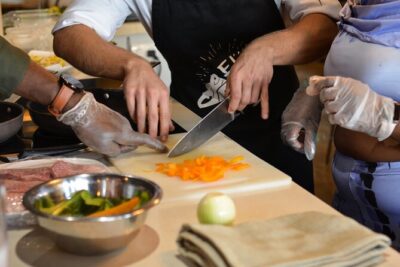 ★ 5.0Learn How to Make Chillo al Coco & Taino Concept StoreFrom $9893 reviews
 ★ 3.7Shopping Tour with Hotel Pickup and Drop-OffFrom $1354 reviews
 ★ 4.0Shopping Tour In Don Lucas Cigar Factory, Rum tasting, Cocoa factory, SouvenirsFrom $451 reviews
 ★ 4.0Shopping tour Punta Cana rum cigars coffee larimar chocolate souvenirs mamajuanFrom $1044 reviews
 ★ 5.0Chocolate Master Class & Taino Concept StoreFrom $5743 reviews
Also filed under