
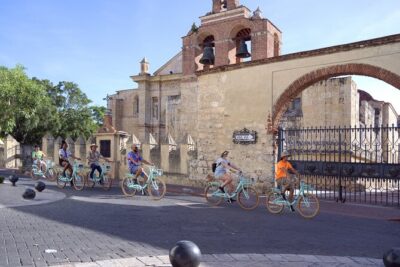
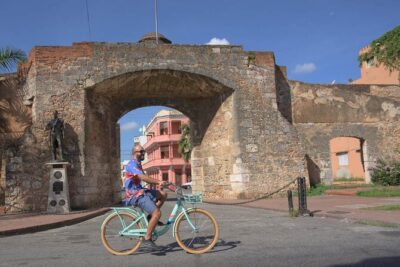
A ride through Santo Domingo feels like time travel. A bike rental in the Colonial Zone lets you cruise past iconic plazas and streets at your speed, with simple help like a route map. What I like most is how low-pressure it feels, so you can stop for a coffee or just keep rolling.
I also like that the rental gives you real basics for comfort and security: a helmet and a lock, plus a map with a suggested route. That combo matters, because you are not stuck guessing where to go or trying to manage bike safety on your own.
One thing to keep in mind is street conditions. Some parts of the Colonial Zone can feel more built for foot traffic than for cyclists, with curbs and uneven transitions, and you may not find a clear bike lane most of the time.
Key things I’d note before you pedal
- Two hours, on your schedule: perfect for a first look at the Colonial Zone without committing to a full excursion.
- Helmet and lock included: you get practical safety gear plus a way to secure the bike during café stops.
- Route map, not a rigid tour: use the suggested path to hit major areas while still choosing your own stops.
- Cruiser-style comfort: beach-cruiser bikes tend to make slow city riding easier on your back and wrists.
- Family-friendly bike options: kids bikes and accessories like child seats and trailers make it workable with little ones.
- Watch your footing: some areas have curb bumps and uneven edges, so wear comfortable shoes and ride defensively.
Other trips west to the capital
Why a bike rental beats walking in the Colonial Zone
The Colonial Zone in Santo Domingo is one of those places where you want to wander, but walking can start to feel slow after a while. On a bike, you cover more ground without losing the street-level vibe. You still see the plazas, monuments, and everyday life up close, just with the freedom to turn a “quick stop” into a real break.
I like that the experience is designed for your pace. You can go straight to the big sights, or you can take longer loops through calmer streets. Either way, you get that local rhythm: stop, look, pedal again.
And because it is self-guided, you are not stuck in a pack. If you are someone who likes to linger for photos, coffee, or people-watching, this format fits you better than a time-crunched group tour.
Price and value: what $13 gets you for 2 hours
At about $13 per person for a 2-hour rental, the math is simple. You are paying for the bike plus the gear that makes the rental practical: a helmet, a lock, and a route map with suggestions.
That matters for value because bike rentals that exclude basic safety gear can feel oddly incomplete. Here, you are not scrambling to borrow a helmet, and the lock is what makes café breaks and quick stops realistic.
Also, the duration is short enough to feel risk-free. If you are still getting comfortable on a bike in a new city, two hours is a manageable test run. If you love it, you can always extend your time on a future day, or simply repeat the ride later with a different plan.
You should also factor in what is not included. There is no guide, and entrance fees to attractions are not part of the rental. So think of this as transportation and a route framework, not an all-in sightseeing package.
Your 2-hour ride, broken into a practical plan
Even though this is not a guided tour with scheduled stops, you can still make the time feel smooth. In my view, the best way to handle a self-guided 2-hour rental is to treat it like three chunks: get oriented, do your main circuit, then spend your last time choosing where you want to linger.
1) The first 15 to 25 minutes: settle in and check the bike. Before you roll, do a quick check of the bike’s condition. Make sure everything feels steady, and confirm you can brake confidently. If the bike feels off, speak up right away rather than spending the whole ride compensating.
Then use the map to pick your direction. The goal here is not to memorize the route. It is to get your bearings fast, so the next decisions are yours, not panic-based.
2) The next 70 to 80 minutes: follow the suggested areas, then choose pauses. The route map is meant to help you explore the Colonial Zone and reach key plazas and monuments. As you ride, look for natural stopping points where you can safely pull over, rest your legs, and take in the street scene.
If you like food stops, plan them as “moment breaks,” not full meal breaks. The rental is short, and short stops keep the ride feeling fun instead of rushed.
3) The last 20 to 30 minutes: make it your own. This is when you follow your curiosity. Maybe you want a slower street, a quieter corner, or extra time near a plaza. In a place like this, the best moments are often the ones you did not plan, like a calmer block or a view from a doorway.
When time is nearly done, head back with a buffer. Do not treat the return like a stopwatch. Give yourself time to park, lock up, and be done without stress.
How to use the route map to find your pace
The map is the real “guide” here, and you should use it actively. It is not just for navigation. It is a suggested structure that helps you see more of the Colonial Zone without having to figure everything out from scratch.
Here is how you can use it well:
- Pick a main loop direction using the suggested route.
- Identify two or three anchor points you want to see for sure.
- Leave room for at least one café stop or extra photo break.
That last part is important. The rental experience explicitly sets you up to stop at cafés, plazas, and monuments. If you treat it like a nonstop ride, you lose what makes the Colonial Zone special: the ability to slow down in the middle of motion.
Also, ride with the idea that not every street will feel equally easy. Some sections can have curb changes and uneven transitions. Use the map to keep yourself moving toward the parts that feel smoother, and if a street feels too awkward, turn early and reroute.
Two wheels around Santo Domingo
- Santo Domingo: City Highlights Guided Bike Tour
★ 4.9 · 72 reviews - 2 Hour Bike Rental Colonial Zone / Santo Domingo
★ 5.0 · 30 reviews
Safety reality check in Santo Domingo traffic and curbs
I’ll be direct: in an old city center, you cannot assume bike-friendly infrastructure. The good news is that this rental includes a helmet, and that is a smart baseline for comfort. The lock is also a practical feature, because it encourages short, secure stops instead of risky improvisation.
Here is the caution you should plan for:
- Curbs and uneven edges can be tricky, especially if you are wearing sandals or shoes with slick soles.
- There may be moments where you share space with pedestrians who are walking right up to the roadway.
- Street elevations near foot paths can make it feel less predictable than a modern bike route.
My advice is simple. Ride slower than you think you need to, especially near intersections and places where people step close to the street edge. Keep your eyes up, not only on the road in front of you. And if you are not fully confident, choose the calmer streets first and treat busier segments as quick crossings.
If you are traveling with kids or using a child seat or trailer, safety becomes extra important. A small curb bump can feel big when someone is strapped in. Take turns gently and give yourself more space than you think you need.
Bike types and who each one fits best
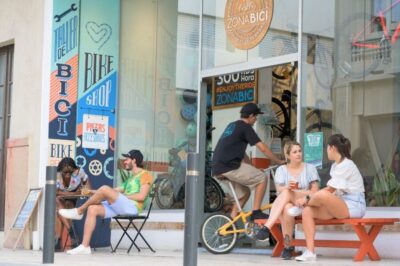
This rental is designed with options, which is a big deal if you want the experience to actually feel comfortable. You can choose cruiser-style beach bikes, plus kids’ bikes. There are also accessories for families, including child seats and trailers.
That flexibility helps in two ways. First, it reduces the chance you end up with a bike that is the wrong size or wrong style for you. Second, it means families do not have to build an entire plan around whether everyone can ride the same kind of bike.
If you are an adult who wants an easier ride, a cruiser-style beach bike is usually the most comfortable way to handle stop-and-go streets. If you are with kids, a dedicated kids bike can keep the ride feeling manageable instead of stressful.
And if you are traveling with a very young child, the availability of a child seat or trailer makes the whole idea realistic. It turns the ride from “only if everyone is independent” into “we can do this together.”
Family-friendly details that actually matter
If you are bringing kids, you care about two things: control and comfort. This rental setup is built for that. Kids bikes help children ride their own pace, while child seats and trailers let younger kids join without pedaling.
One smart approach with families is to plan shorter “visit moments.” Let the bike do the transportation, and keep the sightseeing breaks simple. That could mean a quick plaza pause, a photo stop, and then back on the saddle.
Also, bring water and dress for sun. The experience specifically calls out hat and sunscreen, which tells you the Colonial Zone can cook under the Caribbean sun. If kids are in the direct light longer, you will feel it. Hydration and shade breaks make the ride happier for everyone.
Finally, keep the ride gentle. In a place with curbs and uneven transitions, smooth riding is kinder on everyone, especially with a trailer or child seat in the mix.
What to bring so the ride stays fun
For a two-hour bike rental, you do not need much, but you do need the basics. The list is straightforward, and I agree with it:
- hat
- sunscreen
- water
- comfortable clothes and shoes
Shoes deserve a special note. The Colonial Zone streets can involve curb changes and uneven sidewalk edges. Comfortable shoes with decent grip will help you feel stable when you stop, adjust, or step off the bike.
Also, think “light and breathable.” You are riding in warm weather, and you will likely be in the sun around plazas and monuments.
Where the best moments happen during your ride
Because this is self-guided, your best moments will come from your choices. Usually, those choices fall into patterns.
You’ll likely enjoy:
- A slow roll through iconic plazas where you can pause and look around.
- Quick stops near monuments and main streets, when the streets open up visually.
- Café breaks timed to your energy level, not a schedule.
If you want photos, plan at least one longer pause. If you keep moving constantly, you end up with motion blur and sore legs. Give yourself one “sit and watch” moment to balance the exercise.
And if you like getting a little off the main flow, use the map to find areas that feel less crowded. That is often where you feel the city at street level instead of just viewing it from the main drag.
Who should book this bike rental, and who should skip it
This rental fits best if you want:
- a simple way to cover more of the Colonial Zone without a group tour,
- flexible sightseeing at your own speed,
- an option for families, including kids bikes and accessories.
It is also a good fit if you enjoy casual exploration. You do not have to be an expert cyclist, but you should be comfortable riding a bike.
Skip it if:
- you cannot ride a bike,
- you are uncomfortable in street environments with curbs, uneven transitions, and shared space.
It is not a bike lane ride in a modern city. It is a practical way to explore a historic area where roads and edges can be irregular.
Book this bike rental, or keep looking?
I’d book this if you want a low-stress, flexible way to see Santo Domingo’s Colonial Zone for around two hours. The value is strong because you get the bike plus helmet, lock, and a route map, and the whole experience is built around your pace.
I would hesitate if you are very sensitive to uneven street edges or you have limited cycling confidence. In that case, you might prefer a more structured format that helps you manage route choices. Even then, if you do book, slow down and expect curbs, not a smooth bike corridor.
If you do decide to go, I’d make one promise to yourself: plan to enjoy the ride, not just the destination. In a place like this, the best memories often happen between the photos, while you are still moving.
FAQ
How much does the Santo Domingo Colonial City Bike Rental cost?
It costs $13 per person for a 2-hour rental.
How long is the rental?
The duration is 2 hours.
What is included with the bike rental?
You get the bike rental for 2 hours, plus a helmet, a lock, and a map with a suggested route.
Is there a guide included?
No. Guide services are not included.
Are entrance fees to attractions included?
No. Entrance fees are not included.
What bike options are available?
You can choose from cruiser-style beach bikes and kids’ bikes. Accessories for children may be available, such as child seats and trailers.
What should I bring for the ride?
Bring a hat, sunscreen, water, and comfortable clothes.
Is this activity suitable for everyone?
It is not suitable for people who cannot ride a bike.
Two Wheels Around Santo Domingo
More Tour Reviews in Santo Domingo
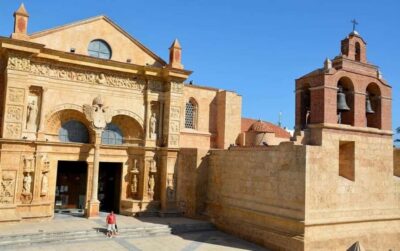
The Capital, Three Hours West

Newly reviewed near Santo Domingo
- Santo Domingo: Private City Tour walking★ 4.1 · 3 reviews
- Santo Domingo: Paradisiac Waterfall & Lunch Cooked Over Wood★ 5.0 · 3 reviews
- “Private Airport Transfer from Santo Domingo (SDQ)”★ 3.5 · 3 reviews
- Full-Day Adventure Tour of Culture through Santo Domingo★ 3.5 · 3 reviews
- Santo Domingo to La Romana transfer★ 5.0 · 3 reviews
- A Private day in the First city of the Americas: Santo Domingo★ 5.0 · 3 reviews
Santo Domingo City Tours, compared.
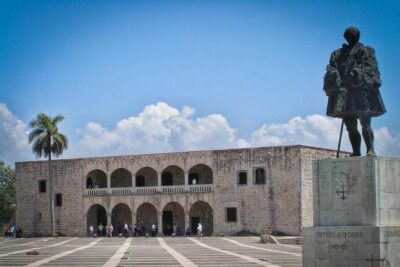 ★ 4.5Full-Day Santo Domingo City Tour from Punta CanaFrom $954,500 reviews
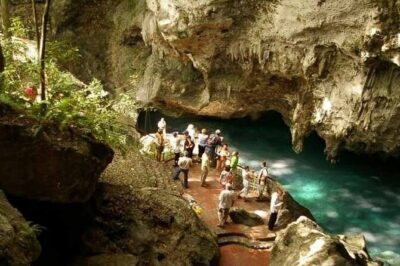 ★ 3.5Day Trip to Santo Domingo from Punta CanaFrom $55659 reviews
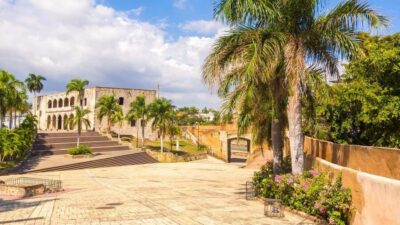 ★ 3.8Santo Domingo Day Trip with Tickets and LunchFrom $82584 reviews
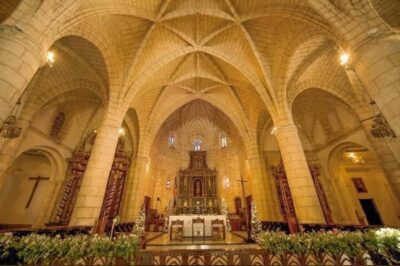 ★ 4.1All Inclusive Santo Domingo Full-Day City TourFrom $70553 reviews
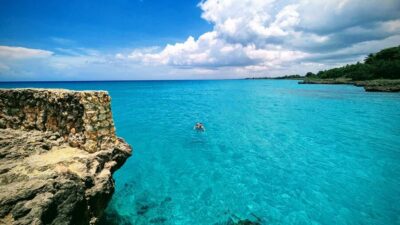 ★ 4.8Los Tres Ojos, Boca Chica & MoreFrom $87219 reviews
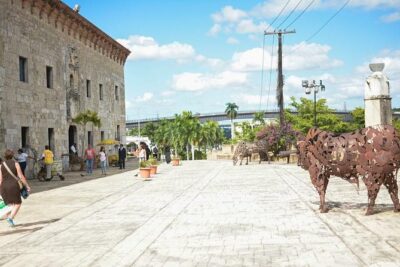 ★ 4.0Historical Santo Domingo Day Trip from Punta CanaFrom $95176 reviews
 ★ 4.5Walking Tour from Santo Domingo CityFrom $60167 reviews
 ★ 3.6Santo Domingo Colonial City TourFrom $85129 reviews