
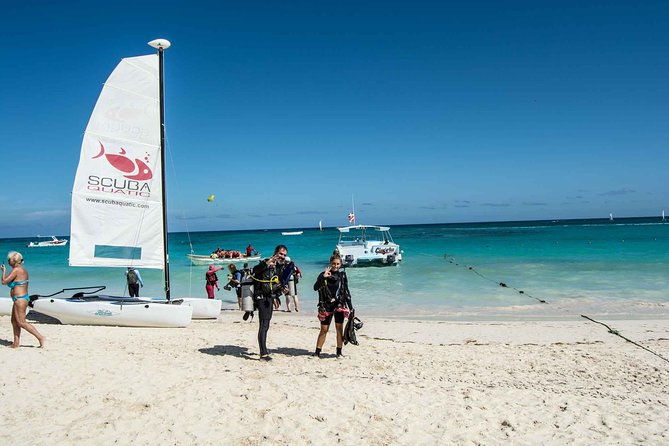
REVIEW · BáVARO BEACH EXCURSIONS
Open Water Diver – Bávaro
New to scuba, and curious about certification? I like the clear progression from 5 online theory chapters to 5 pool sessions, and I like that you can earn PADI or SSI with a max 18-meter limit. It is a structured way to turn first-timer nerves into real underwater skills, with lifetime-valid international credentials.
One drawback to keep in mind: some accounts raise red flags about admin mix-ups and refund troubles, and there are also reports of getting motion sick right after boarding, so plan ahead. I recommend you confirm pickup and payment details and bring motion-sickness support before you go.
Key highlights worth knowing
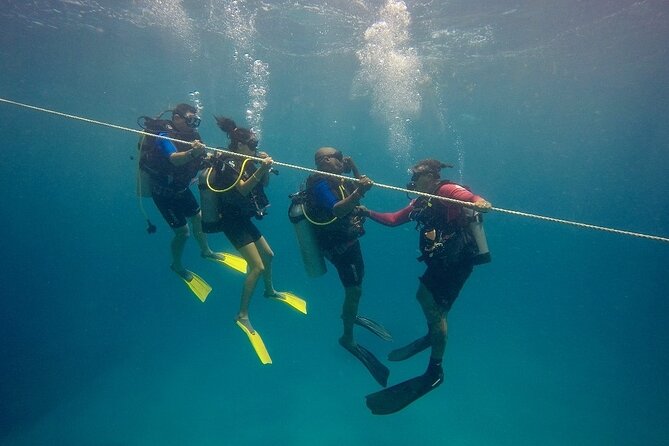
- Up to 8 people total: smaller group energy tends to mean more hands-on coaching in the water.
- Theory before the pool: 5 online chapters help you show up knowing what to practice.
- 5 pool sessions: you can work buoyancy and basic skills in a controlled setting.
- 4 open-water sessions capped at 18 meters: the training depth limit is clearly defined.
- Pickup offered in Punta Cana area: easier logistics if you are staying in or near resort zones.
- Strong instructor moments: Pedro Marin is praised for clear theory help, and Alejandro has been noted for letting new students practice early with tank use.
What else runs off Bavaro
What you’re really buying in Bávaro’s Open Water certification
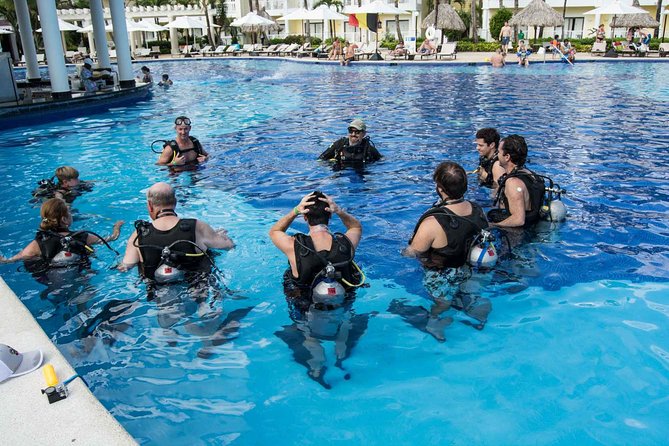
This is a 3-day, beginner-friendly PADI or SSI Open Water certification program based in Punta Cana, with training capped at 18 meters maximum. The promise is simple: you learn the rules online, you practice the mechanics in a pool, then you prove the basics on open-water sessions and leave with an international certification meant to last for life.
What makes it especially interesting is that it is not only about the ocean day. You are doing the thinking work first, then you are doing the muscle-memory work, then you are applying it outdoors. For a first-time scuba student, that order matters. It lowers the panic factor because you are not trying to learn theory and skills at the same time.
You also get a clear structure: 5 online theory chapters, 5 pool sessions, and 4 open-water sessions. That means you can plan your expectations and energy. This is not a one-day try-it-and-see event. It is a real certification course, and the schedule reflects that.
Price and value: is $460 worth it for a 3-day course?
At $460 per person, you are paying for a full beginner certification pathway, not just a “boat trip.” Based on the described format, that price covers online coursework, multiple pool practices, and four open-water sessions, plus the training needed for your PADI or SSI credential.
The best way I judge value here is by workload and repetition. Five pool sessions is a lot of chances to practice the same fundamentals until they click. Four open-water sessions also suggests you are not just rushing to check a box. In courses like this, time in water is where confidence is built.
The trade-off is that your schedule is fixed. It is an approximately 3-day plan with a 9:00 am start time, so you need to be ready to show up on time and stay available until the training wraps. If you only want a single afternoon experience, this will feel like a bigger commitment than you planned.
The day-by-day plan, from online theory to open-water skills
Your course is designed to move in stages, and that is the core of why many people find it smoother than random lessons.
Stage 1: Online theory chapters (before you hit the pool)
You will complete 5 online theory chapters. This matters because it sets your vocabulary and procedures before hands-on practice. If you learn best by reading and watching at your own pace, this part can work in your favor.
A practical tip: do these chapters early enough that you remember the key ideas when pool practice starts. If you cram them on the last evening, you might find yourself confused during skill instruction.
- Punta Cana Dune Buggy Adventure and Amazing Water Cave
★ 4.5 · 3,411 reviews - Half-Day Adventure 4×4 ATV, Water Cave and Dominican Culture
★ 4.5 · 3,394 reviews - Private Punta Cana Airport Transfers Hotels in Dominican Republic
★ 4.5 · 3,040 reviews - 4×4 Dominican Adventure with Chocolate and Coffee Tasting
★ 5.0 · 2,920 reviews - Saona Island Day Trip From Punta Cana with Lunch and Open Bar
★ 4.5 · 2,709 reviews
Stage 2: Pool sessions for the fundamentals
You then do 5 pool sessions. This is where you learn the “how,” including how to control buoyancy, how to breathe through the regulator, and how to handle the basic gear and movements safely. In a pool, you are not dealing with currents or distance problems. You can focus on technique and comfort.
This is also where good instructors can make a big difference. Pedro Marin is specifically praised for helping with theory, and Alejandro has been noted for letting new students get additional tank practice before the more formal practical work. That kind of preparation reduces fear and speeds up confidence.
Stage 3: Open-water sessions, capped at 18 meters
Finally, you do 4 open-water sessions in the sea, with certification training capped at 18 meters maximum. Think of these sessions as applying what you practiced: staying calm, following instructions, and performing key skills in a real water environment.
One more thing to expect: weather matters. The experience description notes that it requires good weather. If conditions are rough, your training may shift to a different date or get adjusted.
Pool practice: why those 5 sessions can save your confidence
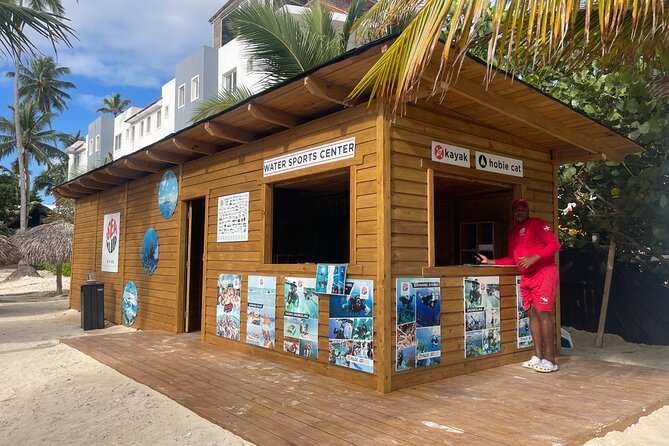
If you have ever felt nervous about scuba, you already know the hard part is not the gear. It is the first moments underwater, when your body is figuring out a new rhythm.
That is exactly why the pool portion is so important. With five pool sessions, you get repeated chances to:
- practice controlled breathing
- learn body position and buoyancy basics
- work through standard beginner skills more than once
And you are not being asked to solve everything on your first attempt. If an instructor is paying attention to you, you can correct one thing at a time and slowly stop second-guessing yourself.
Based on instructor feedback connected to this course, Pedro Marin has helped students understand theory clearly, and Alejandro has been mentioned as offering early tank time so students feel ready before their practical segments. If you want the lowest-stress start, that preparation is a big deal.
Open-water sessions up to 18 meters, and what that really means
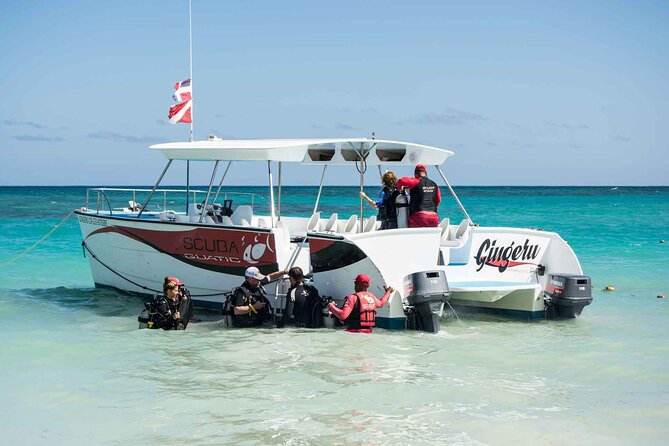
The maximum training depth is 18 meters, which is common for beginner Open Water standards. The key point for you is that the course is structured around safe progression, not “go as far as possible.”
In open water, you will likely spend time on:
- demonstrating controlled breathing and equipment use outdoors
- practicing skills under real conditions
- learning how to keep your head and follow your training plan
Because your course includes four open-water sessions, you should expect more than one chance to get it right. That is helpful if you have an off moment, get distracted, or feel off for the first session.
Weather is the wildcard. The experience notes that it requires good weather. In a place like Bávaro, seas can change fast, and being flexible is part of the bargain. If you are prone to seasickness, this is not the time to gamble.
Getting to the 9:00 am start, pickup, and your mobile ticket
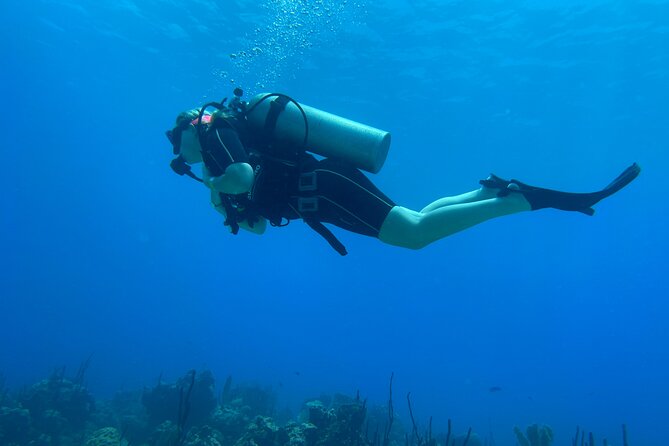
Training starts at 9:00 am. Some guests can get pickup, which is helpful if you are staying in resort areas where you do not want to wrestle with local transit before you even gear up.
You will also receive a mobile ticket, and confirmation is provided at booking time. That combination usually makes it easier to get organized quickly, which helps because you do not want to be late or scrambling for details on day one.
Practical advice: arrive a bit early, even if pickup helps. The earlier you get settled, the less stress you bring into the pool sessions.
Instructor quality: Alejandro and Pedro Marin are the names to remember
In certification courses, instructors are not just background staff. They shape how quickly you feel safe, how clearly you understand the theory, and how confidently you can perform skills.
From the feedback tied to this program:
- Alejandro is noted for letting a student practice in the pool with a tank before the practical work, which is a smart anxiety reducer.
- Pedro Marin is praised for explaining theory well and helping a student complete the course in 2.5 days on short notice.
If you care about a calm, clear teaching style, it makes sense to ask which instructor is assigned, especially if those names are available. Even without a guaranteed match, these examples give you a clue about what “good” looks like here: early support, clear explanations, and enough practice time to build confidence.
What can go wrong, and how to protect your money and your body
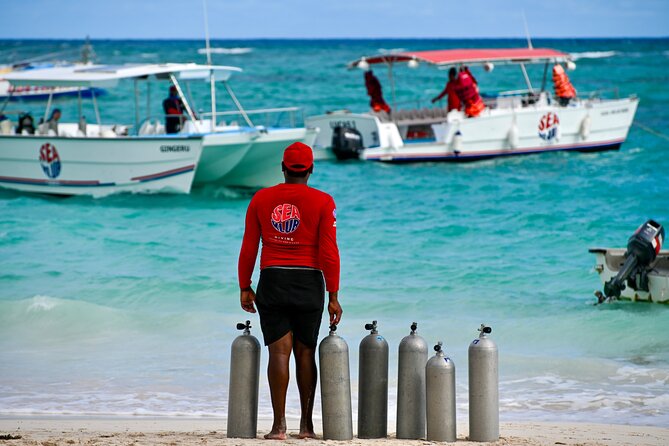
You asked for a practical review, so here is the reality check.
Admin chaos and refund concerns
There are serious negative reports about administrative problems and money troubles. I cannot help you predict whether that will happen to you, but I can tell you how to reduce risk:
- Confirm pickup details and exact start times in writing.
- Keep receipts, confirmations, and any payment proof together on your phone and in a folder offline.
- If anything feels off on day one, address it immediately with the provider on-site rather than waiting.
For a certification, you want everything smooth because you are relying on scheduled pool time and open-water sessions. Small problems become bigger problems when you are trying to finish within your 3-day window.
Motion sickness on the boat or during transfers
One account describes feeling sick right after boarding and needing help from other excursion participants who offered medication they had with them. That is not a guarantee for you, but it is a clear warning sign.
Bring motion-sickness support if you are even slightly prone to it. Also tell your instructor early if you feel queasy. The more up front you are, the better they can manage your gear, your position, and your ability to complete the day safely.
Who this course suits best in Punta Cana
This course is a good fit if you want an actual certification pathway and you prefer a step-by-step process. It is also a match if you like structured practice, since you get multiple pool sessions and multiple open-water sessions, not one-shot lessons.
You might also like it if you enjoy learning the why, not only the how. The program includes five online theory chapters, and Pedro Marin is specifically praised for helping with theory explanations.
On the other hand, consider rethinking if:
- You only want a quick thrill experience and do not want a multi-day commitment.
- You know you get extremely sick at sea and do not plan to take precautions.
- You do not want to deal with weather-related changes, since the course depends on good conditions.
Booking decision: should you book SeaKlub in Bávaro?
My answer is: you should consider booking if you want a structured beginner certification and you value repeated practice. The pool-to-open-water progression, the small group size up to 8, and the clearly stated 18-meter maximum make this feel like a real training plan rather than a casual outing.
I would book with extra care if you are concerned about organization, based on the most alarming accounts. Do your homework before you arrive, keep your documentation tight, and confirm the practical details early. If you are prone to seasickness, plan ahead just as seriously as you plan your lessons.
If you handle those risks, this can be a solid way to earn your international Open Water credential in Punta Cana, with enough repetition to make the skills stick.
FAQ
How long is the Open Water certification course in Bávaro?
It is listed as approximately 3 days.
What certification do I get, and what is the maximum depth?
You can earn an international certification from either PADI or SSI, and the training is for a maximum depth of 18 meters.
What is included in the course?
The format includes 5 online theory chapters, 5 pool sessions, and 4 open-water sessions.
Is pickup available, and what time does training start?
Pickup is offered, and the start time is 9:00 am.
How big is the group?
The experience has a maximum of 8 travelers.
What is the cancellation policy?
Free cancellation is available. You can cancel up to 24 hours in advance for a full refund, and it also depends on weather conditions, since good weather is required.
More Tour Reviews in Punta Cana

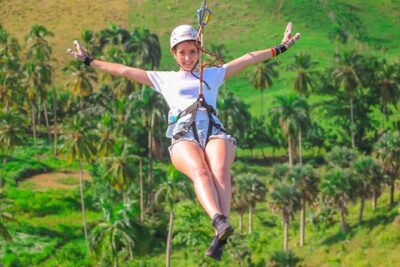


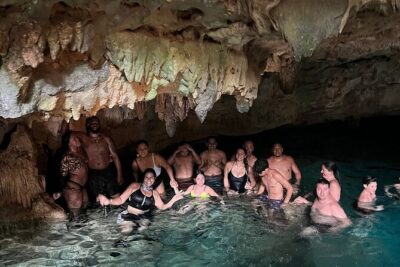

Straight Off Bavaro Beach
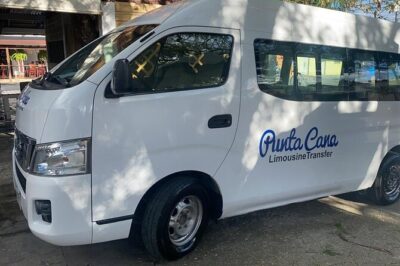
Newly reviewed near Punta Cana
- Private Transfer Punta Cana Airport to/from Jewel Palm Beach★ 5.0 · 3 reviews
- Punta Cana: Samana safari between waterfalls and beaches★ 4.0 · 3 reviews
- Private Transfer Punta Cana Airport to or from Bahia Principe Bavaro★ 5.0 · 3 reviews
- Punta Cana Airport To Uvero Alto Hotels (up to 50 km)★ 5.0 · 3 reviews
- Golf Cart Eco Tour Half Day Tour★ 4.0 · 3 reviews
- Full-day Whale watching Tour in Samana Bay from Punta Cana★ 3.5 · 3 reviews
Bávaro Beach Excursions, compared.
 ★ 4.5Luxe Black Car Transfer – Cap Cana, Bavaro & Punta Cana AirportFrom $39525 reviews
 ★ 4.5Private Transfer between Punta Cana Airport and BavaroFrom $33498 reviews
 ★ 4.5Private Transfer from Punta Cana Airport to or from Punta Cana and Bavaro HotelsFrom $35464 reviews
 ★ 5.0Private transfer from Bávaro Hotels to Punta Cana AirportFrom $80388 reviews
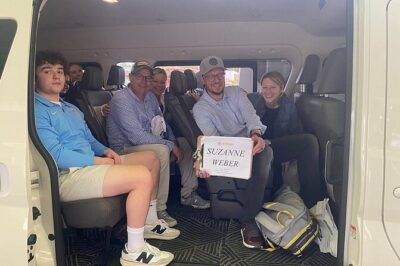 ★ 4.5Private Transfer from Punta Cana Airport to BavaroFrom $12373 reviews
 ★ 4.5Bavaro Adventure Park Buggy Ride, Zipline Mega Splash, and Waterfall PoolFrom $139345 reviews
 ★ 5.0Speed Boat and Snorkeling in Punta Cana BavaroFrom $70337 reviews
 ★ 5.0From and to Punta Cana airport(PUJ)<=>All places and hotels in Bávaro Punta CanaFrom $33313 reviews
Also filed under