
REVIEW · DOMINICAN REPUBLIC
Caribbean Lobster
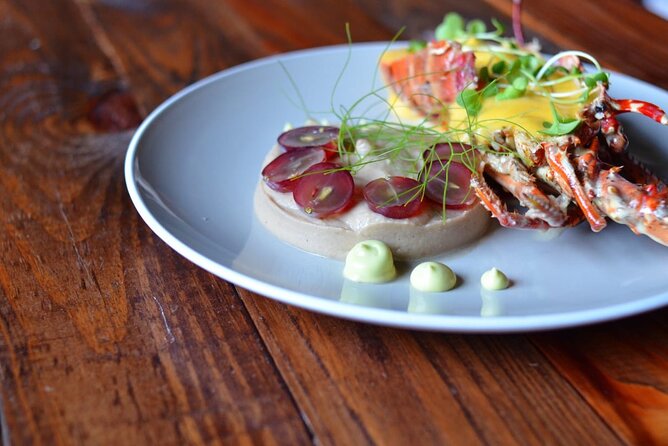
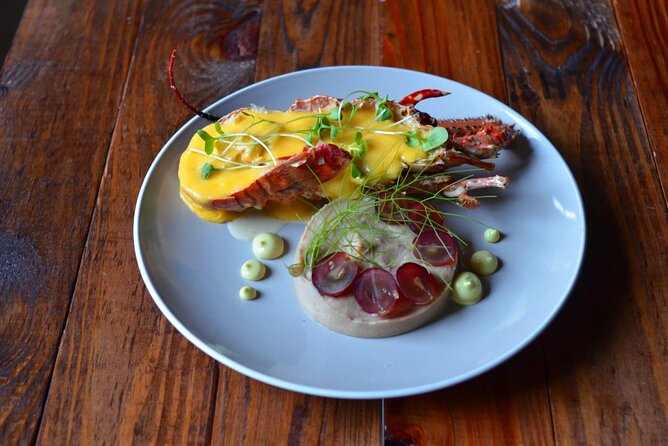
Cooking lobster in Punta Cana feels local. This Taino cooking lab at Oliver Lab turns seafood basics into a real Dominican meal, with Caribbean Lobster Delight plus rum and dessert. You get picked up, cooked with a chef guide, then sit down for dinner that feels like more than a restaurant stop.
I love the step-by-step chef coaching that keeps it beginner-friendly, and the fact that you learn the why, not just the how. Plus, guides like Roody and Ruth (seen helping different groups) bring a patient, fun vibe, especially when kids join in. The second thing I like a lot is the convenience, hotel pickup and drop-off, with a small group capped at 18.
One possible drawback: the hands-on level can vary session to session, and some ingredients may be prepped ahead of time. Also, if you are counting on English only, double-check that the guide language works for you, since multi-lingual support is listed and instructions can be hard if you need very specific measurements.
Key points to know before you go
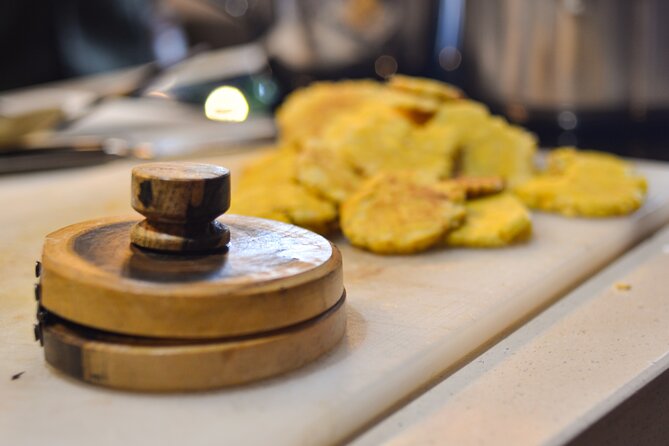
- Taino seafood focus: learn a lobster-style Dominican dish with vegetables like platano and yuca
- Real fisher tradition talk: the chef shares how Dominican fishers catch lobster, lambí, and shrimp
- Oliver rum tasting and dessert: dinner comes with two alcoholic drinks, plus a sweet finish
- Hotel pickup and small group size: limited to 18 travelers so the class stays manageable
- Utensils and cooking class format: you are not just watching, you are making the meal
- Language may vary: the guide can be multi-lingual, so confirm English support if needed
Booked out, or leaving too early? These Punta Cana days out fill the same slot.



Punta Cana food lesson, with lobster and Taino roots
Punta Cana is famous for beaches, but the best trips add one evening that teaches you how locals actually eat. This class is built around Dominican kitchen traditions, including Taino cooking influences, and it is centered on seafood you simply do not find on most menus back home.
The meal theme is Caribbean lobster, but the dish is really a seafood-and-starch lesson. You work with typical Dominican ingredients like platano (plantain) and yuca (cassava), plus a mix of seafood types. The chef also explains the fisher tradition, including how lobsters, lambí, and shrimp are caught, so you understand the dish in context, not as a random tourist plate.
Hotel pickup and the 2:30 pm timing that fits your day
The experience starts at 2:30 pm and runs about 3 hours, so it slots nicely between a beach morning and dinner plans. You do not need a late-night commute, and you avoid that stress where you are sprinting across town in the heat.
Pickup and drop-off are included, which matters in Punta Cana where distances add up. With transport handled for you, you can focus on the cooking. It also helps that the group is capped at 18, so you are less likely to feel like you are in a huge cattle-call activity.
Oliver Lab and the rum-and-feast rhythm
This is hosted at Oliver Lab – Rum Experience, by Taino Gourmet, and it is designed like an evening flow rather than a quick demo. You transfer from your hotel to the lab, meet your chef guide, and then the evening turns into a rhythm: story, prep, cook, taste, sit down.
A standout part is the Oliver rum tasting. It is not only for the adults, it also adds to the Dominican-food feel of the night. The class wraps with incredible dessert, which helps if you want the full package, not just a single entrée.
If you like activities that feel structured, this one fits: you start at a set time, follow a guide, then end with a meal you helped make. If you dislike anything that feels rushed, keep reading, because that is where sessions can sometimes differ.
The chef’s fisher story, lambí, lobster, and shrimp
Before you cook, you get the Dominican-fisher tradition in plain language. The chef talks about catching lobster, lambí, and shrimp and connects that to the seafood-forward dishes you are making.
Why this matters: it changes how you eat. When you know why a certain ingredient shows up, the meal feels like part of the culture instead of a novelty. You also get extra context for ingredients that are often just called seafood in tourist menus.
You also learn that the dish is built from multiple seafood components, not a single lonely lobster tail. The class uses three types of seafood while preparing the “Caribbean Lobster Delight” style meal, so you are tasting more than one flavor profile.
- Punta Cana Dune Buggy Adventure and Amazing Water Cave
★ 4.5 · 3,411 reviews - Half-Day Adventure 4×4 ATV, Water Cave and Dominican Culture
★ 4.5 · 3,394 reviews - Private Punta Cana Airport Transfers Hotels in Dominican Republic
★ 4.5 · 3,040 reviews - 4×4 Dominican Adventure with Chocolate and Coffee Tasting
★ 5.0 · 2,920 reviews - Saona Island Day Trip From Punta Cana with Lunch and Open Bar
★ 4.5 · 2,709 reviews
Hands-on cooking: your lobster lesson with platano and yuca
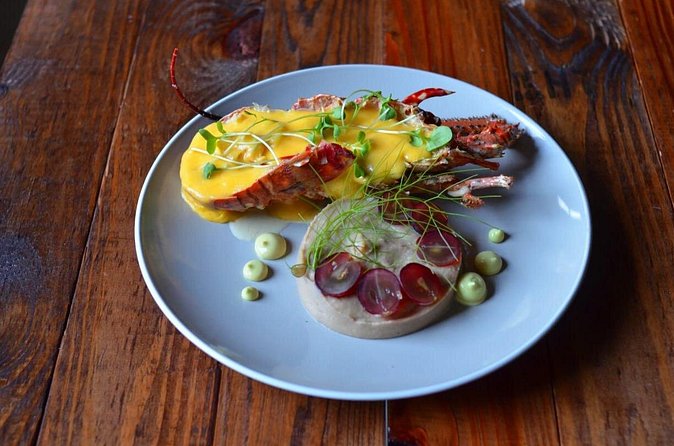
This is a cooking class, and the best part is that you are not stuck taking photos while someone else does everything. The chef guides you step by step, and the ingredients are practical and familiar to Dominican cooking.
From the materials provided, you can expect a lobster-focused seafood preparation plus typical vegetables like platano and yuca. Those starchy sides are a big deal in Caribbean cooking. They round out the dish, help balance seafood richness, and they are part of why the food feels filling, not just fancy.
A quick reality check: in some cooking-class formats, the kitchen team preps ingredients in advance to keep things moving. If you are the type who wants to handle every single step yourself, just know that hands-on time can vary. I would still go in expecting to cook, but with flexible expectations about how much is already cut or cleaned.
Dinner plus two alcoholic drinks, what you eat at the table
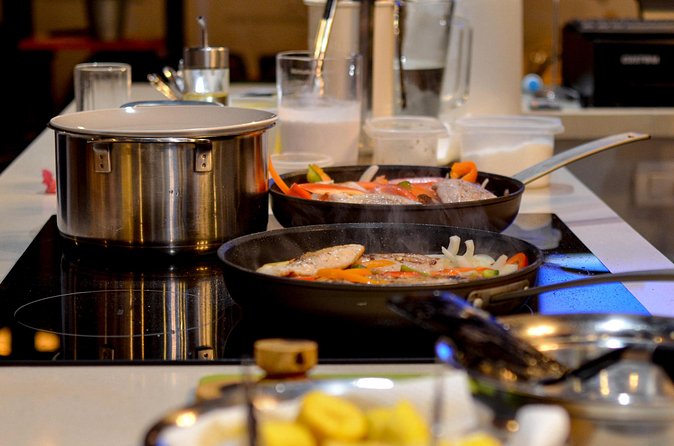
The included meal is dinner, served after the cooking portion. Along with dinner, you get two alcoholic drinks plus beverages. So yes, it is a food experience and a social one, not a dry class where you leave hungry.
The menu focus centers on your lobster dish and the Dominican sides. Even if the exact proportions vary (for example, the size of seafood pieces), the overall goal stays the same: you learn how the dish comes together, then you taste it as a complete plate.
And because this is a rum experience, the timing makes sense. You taste Oliver rum during the experience, then you finish the night with dessert. That keeps the evening from feeling like one long cooking task with nothing at the end besides your own hunger.
What people seem to love most, and what to watch for
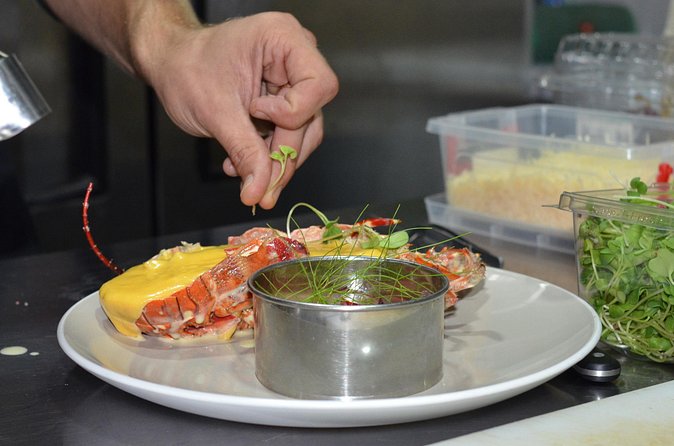
The most praised elements are easy to spot: people leave feeling that it was fun, the food was delicious, and the chef made the experience welcoming. Names like Roody, Ruth, and Rudy come up as guides who keep things upbeat, teach clearly, and make the kitchen feel friendly rather than intimidating. That is the difference between a cooking class that feels like school and one that feels like an evening with locals.
Rum tasting also tends to land well. When a tour includes alcohol thoughtfully, it adds to the Dominican vibe instead of feeling like a random add-on.
Now for the considerations. Some sessions can lean more on chef control than on your hands at the stove. There can also be variation in seafood prep quality and portion size. If you are picky about lobster cleaning, ask early, and pay attention when the chef starts cooking. If you want extra shrimp-style components, note that the plan includes multiple seafood types, but the exact pieces can differ.
Is this worth $125 per person?
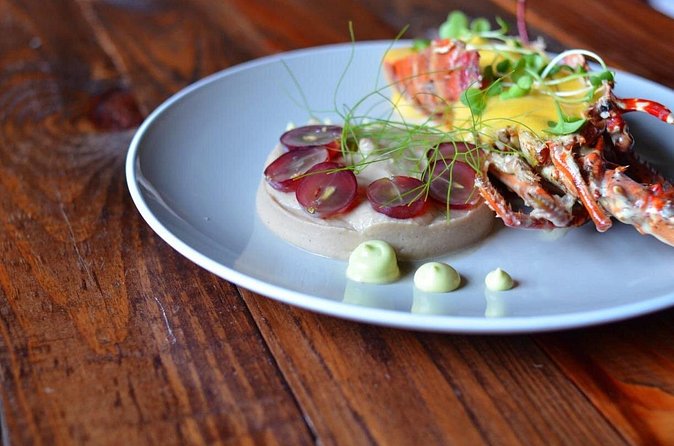
At $125 per person for about 3 hours, the value depends on what you want most from the trip.
If you want a simple dinner, you could find cheaper meals in Punta Cana. But you are not just paying for dinner here. You are paying for:
- A chef-guided cooking class
- Dinner plus two alcoholic drinks
- Oliver rum tasting and dessert
- Hotel pickup and drop-off
- A small-group experience (max 18)
When you add up those pieces, the price starts to feel fair, especially if you are traveling as a couple or family and want one organized activity that includes food and drinks without extra planning. For beginners, the step-by-step approach also reduces the risk of feeling lost in a “hands-on” class that is actually hands-off.
My take: it is best value when you treat it like a highlight meal, not a filler. If you plan this as your one cooking-and-rum night, it can easily feel like the most memorable food moment of your week.
Who this fits best (and who should be selective)
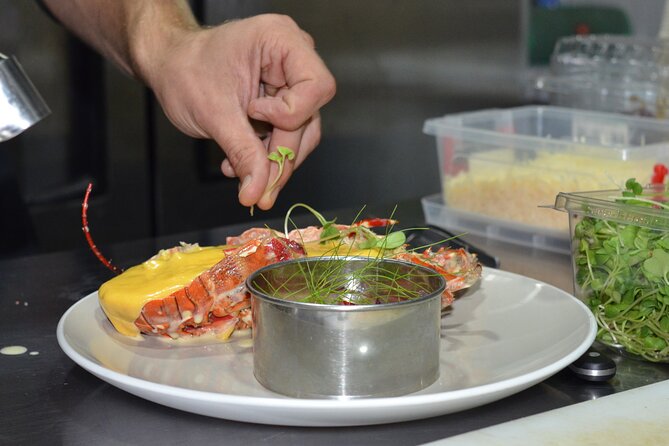
This works especially well if you:
- Want to learn Dominican cooking basics, not just eat at restaurants
- Prefer guided, structured classes over open-ended tours
- Like seafood flavors and want a Dominican-style lobster dish
- Are traveling with kids who can handle the fun, interactive kitchen setting
It can also be a good rainy-day plan, because it is indoors and centered on a short, timed experience. If your vacation pace includes beach time and you want one grounded cultural evening, this fills that role.
Be selective if:
- You require a strictly English instruction experience, since the guide can be multi-lingual
- You want maximum hands-on control, and you will be unhappy if some items are prepped
- You are very sensitive about seafood piece size or how thoroughly pieces are cleaned before cooking
Small tips that make the class go smoother
Here are a few practical moves that help you get more out of the night:
- Ask at the start how much is hands-on versus chef-led. It will help set the right expectations.
- If you are sensitive to measurements or language, bring your phone translation app and use it early rather than during the busiest moments.
- Wear something you do not mind getting a little kitchen-scent on. Cooking smells are part of the experience, but clothes should be ready.
- Pace yourself with the rum tasting. You will still be cooking and then eating, so treat alcohol as part of a meal, not something you add at the end.
Should you book this Caribbean Lobster class in Punta Cana?
If you want one cultural food experience that feels active, not passive, I think this is a smart booking. The combination of Taino cooking lab, lobster-focused seafood teaching, and Oliver rum plus dessert turns an ordinary dinner plan into an event.
Book it if you are excited to learn Dominican flavors like platano and yuca, and if you want a guided meal with hotel pickup and a small group.
Skip or ask more questions first if English instruction is essential for you, or if you only enjoy cooking classes where you control the stove the whole time. With a few early clarifications, you can protect your expectations and enjoy what this tour does best, a hands-on seafood dinner in a Dominican cooking tradition.
FAQ
What time does the Caribbean Lobster experience start?
It starts at 2:30 pm.
How long is the tour?
The experience lasts about 3 hours.
Does the price include hotel pickup and drop-off?
Yes. Hotel pickup and drop-off are included, and transfers both ways are included.
What food and drinks are included?
You get dinner, beverages, and two alcoholic drinks. The experience also includes rum and dessert.
Is there a group size limit?
Yes. The activity has a maximum of 18 travelers.
Will there be a guide, and do they speak multiple languages?
A driver/guide is included, and the activity may be operated by a multi-lingual guide.
What is the cancellation policy?
You can cancel for a full refund up to 24 hours before the experience’s start time. If you cancel less than 24 hours before, the amount paid is not refunded.
More Tour Reviews in Punta Cana

Newly reviewed near Punta Cana
- Bávaro To Punta Cana Airport (PUJ) One way★ 5.0 · 7 reviews
- Punta Cana Bavaro Buggy Adventure★ 4.0 · 7 reviews
- Punta Cana Luxury Snorkel & Beach Club Day at Playa Blanca★ 4.8 · 7 reviews
- Tour en buggy en Punta Cana★ 3.0 · 7 reviews
- Safari Tour in Punta Cana todo el dia una Aventura inolvidable★ 5.0 · 7 reviews
- Higuey City Tour – A Cultural Experience From Punta Cana★ 3.5 · 7 reviews