
REVIEW · DOMINICAN REPUBLIC
Cooking With a Twist: Sancocho Borracho
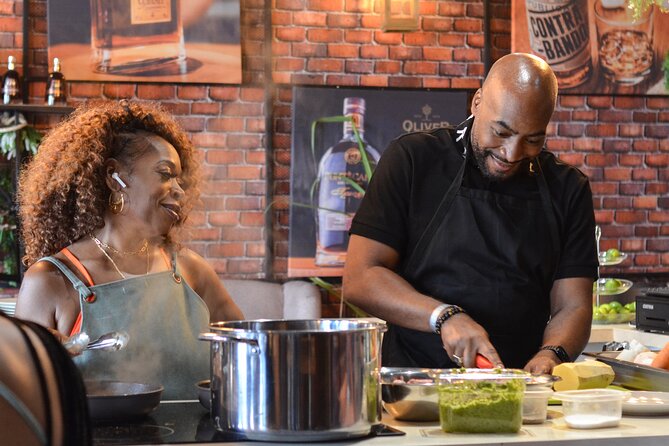
Borracho sancocho is a party you can cook. At the Taino Gourmet Cooking Lab in Punta Cana, you make sancocho at your own station with a hands-on, chef-led rhythm that suits beginners and experienced cooks alike. It is one of those activities where the food teaches the culture.
I also like that this class does not end with cooking. You sit down for dinner with Dominican rice and avocado, dessert, two alcoholic drinks, and unlimited beverages, plus hotel transport back with everyone wrapped up before midnight. One possible drawback is that pickup can be confusing for some people, and you may have a short wait and store stop before the cooking starts, so build in patience.
Key highlights you will care about
- Station-style cooking so you are not just watching and waiting
- Sancocho Borracho ingredients including ñame, yuca, yautia, and platano
- 7 types of meat plus roots that shape the soup’s texture and flavor
- Bachata and merengue worked into the evening, even while you cook
- Dinner plus drinks: two alcoholic drinks and unlimited beverages, with dessert
- Small group size with a maximum of 18 people for a more personal pace
Booked out, or leaving too early? These Dominican Republic days out fill the same slot.




Entering Punta Cana: pickup timing and the Taino lab setup
This is a 2-hour cooking class at the Taino Gourmet Cooking Lab in Punta Cana, with pickup offered. The mini-bus meets you at your hotel about one hour before the class begins, and the scheduled start time is 1:30 pm. Once the last person arrives, the lab starts right away, so the day feels more like an event that flows than a random drop-in cooking demo.
The lab itself is described as small and comfortable. That matters. You are not being shuffled through a huge crowd. With a maximum of 18 travelers, you tend to get clearer instruction and less time stuck waiting for someone else’s turn. The operator can also use a multi-lingual guide, which is useful if your group has different language needs.
Now, for the one practical consideration to plan around: pickup confusion has happened for some people, and there can be a short stop inside the area before the hands-on cooking begins. In plain terms, do not treat the evening like a surgical operation where the minute hand never moves. If you are sensitive to delays, confirm pickup details as soon as you receive confirmation, and keep an eye out for the mini-bus or the team member coordinating arrivals.
If you prefer low-stress logistics, this tour is still a good bet because you do not need to navigate to a separate restaurant or figure out meals after the class. Transport and dinner are built in, and you finish with everyone back to the hotel before midnight.
What you are really cooking: Dominican sancocho with roots and seven meats
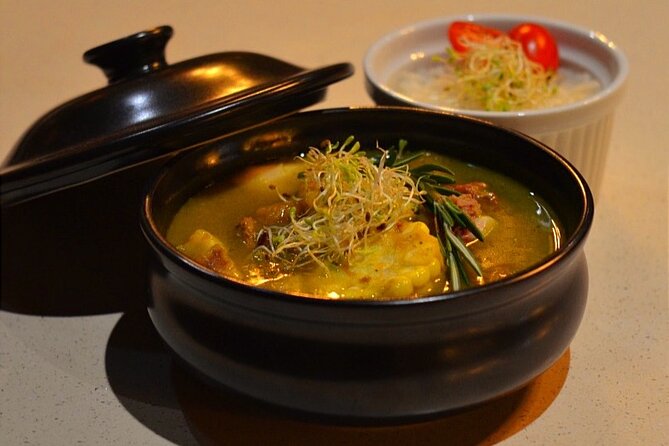
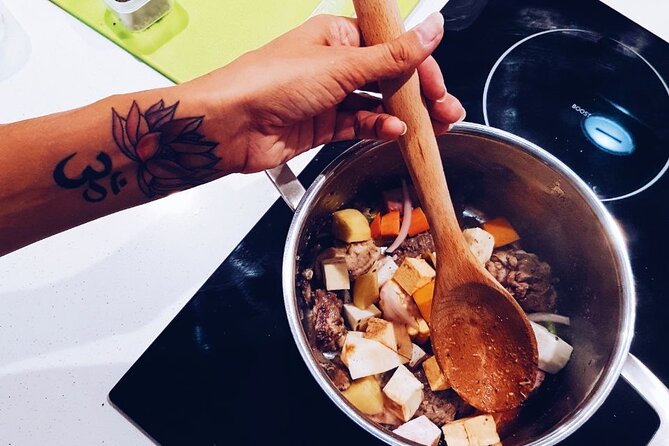
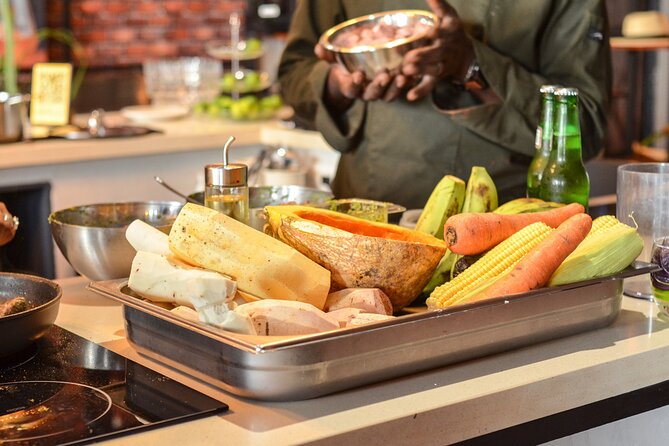
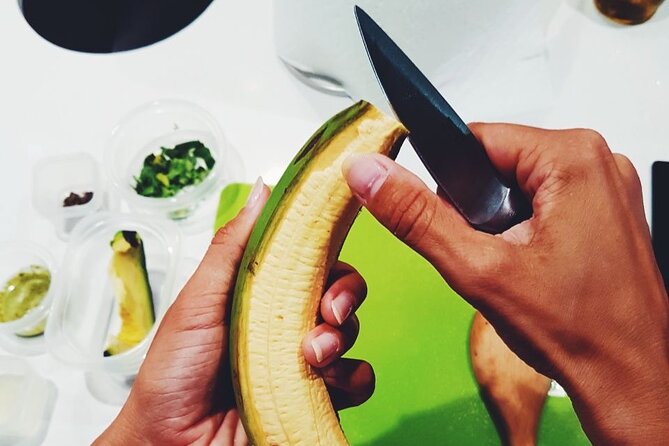
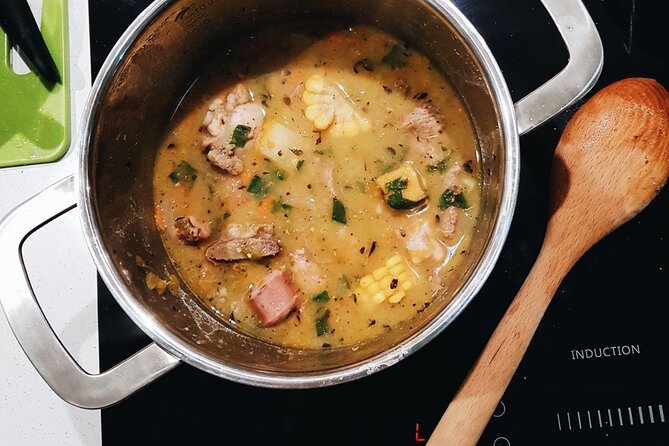
Let’s talk about the main event, sancocho. This is a typical Dominican soup, and in this class you cook it with seven types of meat and local “viveres,” meaning starchy root ingredients. The roots named here are ñame, yuca, yautia, and platano. Even if you have never cooked any of these before, the key idea is simple: these ingredients are part of how Dominican cooking builds body and comfort into a soup.
In real-world terms, roots like yuca and yautia help thicken and soften as they cook, while ñame and plantain (platano) bring a different kind of starchiness and sweetness. That combination is what makes sancocho feel satisfying, not watery. You also learn how sancocho is meant to be served, not just cooked. The class specifically pairs it with Dominican rice and avocado, so your plate is complete in the way locals expect.
You might notice the menu style is not complicated in the way some tourist “cooking classes” are, where everything is little portions and no real meal. Here, it is structured around a dish that belongs at the table. That is why I think this experience works even for people who only know a handful of Dominican food basics. You get the whole arc: ingredients, cooking technique, and how it gets served.
There is also a theme of learning the culinary culture behind sancocho. That can sound like a slogan, but it matters because it tells you what to pay attention to while you cook. For example, you are not only stirring, you are understanding why certain ingredients are used and how they fit together.
Cooking at your station: learning technique and keeping it fun
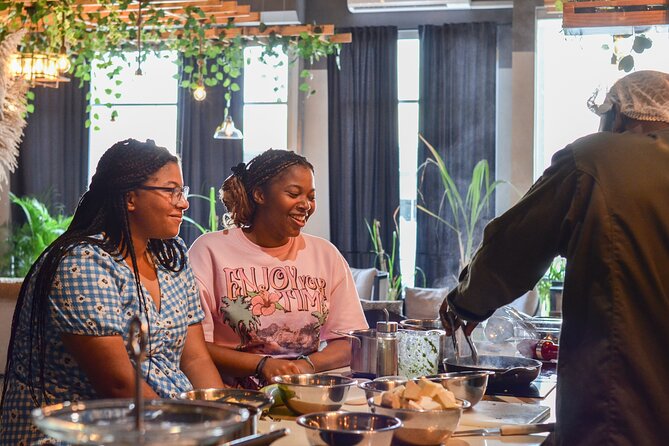
The class starts immediately after the last participant is picked up. Then you jump into cooking at individual stations, guided by chefs who explain both technique and ingredient purpose. This is not the “watch the chef, take notes, leave” type of experience. It is built to be interactive, so you are moving through steps while the group cooks together.
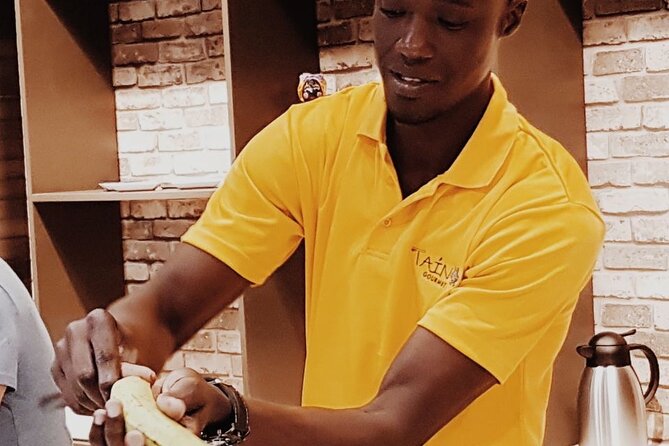
One of the most praised parts of the experience is how well the chefs teach. Names you may hear in the lab include Francesca and chef Ruth, and both styles are described as warm and hospitable, with explanations that make sense. You will likely spend time learning the history of sancocho and tasting local ingredients as part of the process. That tasting is more than a flavor check. It trains your palate so you can understand what you are adding and how the soup changes.
Another fun, very Dominican touch is the idea of dancing bachata and merengue while cooking. That is not a random add-on. It keeps the energy up and turns the evening into a social meal, not a classroom with aprons. If you are traveling with friends or family, especially kids who get bored quickly, this kind of built-in movement helps keep everyone engaged.
Here is a practical tip: come with comfortable clothes and expect to stand and move. Even when the group size is small, station cooking means you are active. If you have never chopped roots like yuca or plantain, do not worry. The pace is taught to the group, and the chefs are focused on making the steps understandable for all skill levels.
Also, since it is a group setting, you get a bonus effect: you learn small tricks by watching what others are doing at their station. You may spot how others handle seasoning stages or timing. That kind of peer learning is hard to replicate in your home kitchen.
The meal you actually sit down to: rice, avocado, dessert, and liquor tasting
You do not finish the class and then scramble for food. Dinner is included. After you cook, you eat the sancocho with Dominican rice and avocado. That pairing is essential. Rice gives a simple, familiar base, and avocado adds a creamy note that balances the soup’s savory depth.
Then the evening keeps going with dessert and a local liquor degustation, plus two alcoholic drinks. Unlimited beverages are included, which is great if you are with a group and want everyone to relax without counting glasses. The intent is clear: by the time the cooking wraps, you are ready to eat, toast, and enjoy.
One extra detail worth noting from experience accounts is that the setting can feel special, even romantic in mood, with candle-lit table vibes for the meal. That is not guaranteed every night in a formal way, but it aligns with how the chefs describe the lab atmosphere. Either way, you are not just getting a bowl of soup. You are getting a full evening built around Dominican food culture.
If you care about the taste beyond the ingredients, pay attention to how the soup’s texture lands in the pot. That is where roots do their work. Also notice how the rice and avocado change the experience. Served together, the meal shifts from “soup you eat” to “a complete plate you enjoy.”
- Adventure Bundle: Monkeyland, Ziplines & Buggies Punta Cana
★ 5.0 · 10,715 reviews - Monkeyland and Plantation Safari Tour from Punta Cana
★ 5.0 · 3,805 reviews - Punta Cana Monkeyland and Zipline Two Adventures in One Day
★ 5.0 · 1,036 reviews - Half Day ATV Adventure Water Cave Authentic Eco Tour At PuntaCana
★ 5.0 · 990 reviews - Punta Cana Half Day 4×4 ATV Adventure
★ 5.0 · 877 reviews
Price and value: what $95 includes, and why it can be a good deal
At $95 per person, this class might look pricey at first glance, until you break down what is included. You are paying for a guided 2-hour cooking lesson at a specific local lab, plus dinner and drinks, plus transport. The dinner includes the dishes you cook plus side pairings like rice and avocado, dessert, two alcoholic drinks, unlimited beverages, and a local liquor tasting.
For many people, the hidden value is the teaching. The chefs are the real product here. They source ingredients, explain why components are used, and coordinate cooking at station-level so you get actual hands-on practice. If you tried to replicate this yourself, you would spend time finding the right roots, the right meats, and then you would need technique to cook a soup that is thick, not just stewy.
Another value point: the group is limited to 18, and pickup is offered, which reduces stress in Punta Cana where you may not want to manage taxis for every part of the day. You also get a clear end point, with returns to the hotel before midnight. That matters because you are done with planning once you are picked up.
Timing is also part of the value story. This is an experience that gets booked about 50 days in advance on average. That suggests it is popular. If you know you will be in Punta Cana around peak travel dates, booking ahead can help you lock in the slot you want.
Who should book this class in Punta Cana, and who might skip it
I think this experience fits best if you want a Dominican food experience that is hands-on and social. It is ideal for foodies who enjoy cooking and tasting, and it is also a strong match for families because the lesson is structured and interactive. Children must be accompanied by an adult, but the class style is built to keep everyone involved, not watching from the sidelines.
It also works well for people who are intimidated by cooking. Because the class is taught step-by-step at individual stations, you can follow along even if you do not have culinary confidence. You get ingredient guidance and technique explanations rather than a “good luck” vibe.
If you are the kind of traveler who only wants perfect punctuality and zero waiting, then this might be a mixed fit. Pickup confusion has happened and there can be a short store stop before cooking begins. In that case, just adjust your expectations. If you can handle a small hiccup and focus on the meal at the end, it is still worth considering.
Also, if you do not want alcohol at all, the experience includes two alcoholic drinks plus unlimited beverages and a liquor degustation. The data here does not say you can remove those elements. If you are sensitive to that, it is worth thinking about before you book.
FAQ
How long is the Cooking With a Twist class?
The cooking class runs for about 2 hours.
Is pickup from my hotel included?
Pickup is offered, and hotel transport is included. The mini-bus picks you up about one hour before the activity.
What time does the experience start?
The start time is listed as 1:30 pm.
What will I cook during the class?
You will prepare Dominican sancocho with seven types of meat and local roots including ñame, yuca, yautia, and platano.
What do I eat after I cook?
You eat the sancocho with Dominican rice and avocado, and dessert is included.
Are drinks included?
Yes. The meal includes two alcoholic drinks, unlimited beverages, and a local liquor degustation.
How large is the group?
The tour has a maximum of 18 travelers.
What is the cancellation policy?
You can cancel for a full refund up to 24 hours before the experience’s start time. Free cancellation applies, and cut-off times are based on local time.
Should you book Sancocho Borracho in Punta Cana?
If you want a real Dominican food moment where you cook, eat, and learn in one evening, I would book it. The value is strong because you get a 2-hour chef-led class, dinner with rice and avocado, dessert, drinks, and transport, all in a small-group setting.
I would just go into it with a practical mindset about timing. If you are okay with the possibility of pickup confusion and a short wait before cooking starts, you will probably enjoy the interactive station cooking, the ingredient tasting, and the bachata and merengue energy that turns dinner into a night out.
More Tour Reviews in Dominican Republic


Newly reviewed near Dominican Republic
- Punta Cana Jet Ski, Buggy, Aqua Kart & Water Park Access★ 3.5 · 7 reviews
- Saona Island Premium- Exclusive Beach And Mano Juan FullDay★ 3.6 · 7 reviews
- Cap Cana Hotels To Punta Cana Airport (PUJ) One Way★ 5.0 · 8 reviews
- Punta Cana Airport to PARADISUS PALMA REAL in Punta Cana R/T★ 5.0 · 8 reviews
- ATV Rental in Jarabacoa★ 5.0 · 8 reviews
- Punta Cana Airport to ALL OCCIDENTAL RESORTS in PUNTA CANA R/T★ 5.0 · 8 reviews