
REVIEW · COUNTRYSIDE SAFARI RIDES
Cacao Plantation and Chocolate Factory Tour- Classic
Chocolate starts in the dirt. This classic Dominican Republic tour pairs an organic cacao plantation visit with a hands-on stop at La Esmeralda Chocolate Factory, plus tasting and lunch. I especially like the fact that you learn the full journey from planting through fermentation and drying, then you see how it turns into a quality chocolate bar. The tasting part is practical too, because it teaches you how to notice flavors instead of just eating chocolate. One possible drawback: if you opt for transportation, you may be at the mercy of the driver’s language skills and comfort with unplanned stops.
Expect a structured, no-rush visit that starts at 10:30 am in Las Pajas (San Francisco de Macorís) and returns you to the same meeting point. The tour runs about 2 hours 30 minutes on the listing, while the experience is described as closer to a 3.5-hour tour, so build in a little buffer in your day. There is also a smart dress code requirement, so skip casual wear like jeans, joggers, and sneakers.
You’ll leave fed, not just educated. Lunch is a buffet with a cup of local hot chocolate, and there’s a vegetarian option if you request it when booking. Children must be accompanied by an adult, and the activity lists moderate physical fitness as the expectation, so plan to walk a bit on the plantation grounds.
Key things to know before you go
- Organic plantation lessons with real steps: You’ll learn sowing, harvesting, extraction from pods, fermentation, and drying.
- La Esmeralda factory time and chocolate-making: You’ll see how bars are made, then make your own chocolate.
- A guided tasting built around your senses: You don’t just sample, you learn what to notice and how to taste.
- Buffet lunch plus local hot chocolate: It is a full meal break, not a tiny snack.
- Transportation is optional, and language can affect the ride: If you choose it, confirm what you expect from the driver.
- Dress smart, not casual: The tour asks for better-than-sneaker clothes.
Further inland, truck-bed style
El Sendero del Cacao: seeing the organic plantation up close
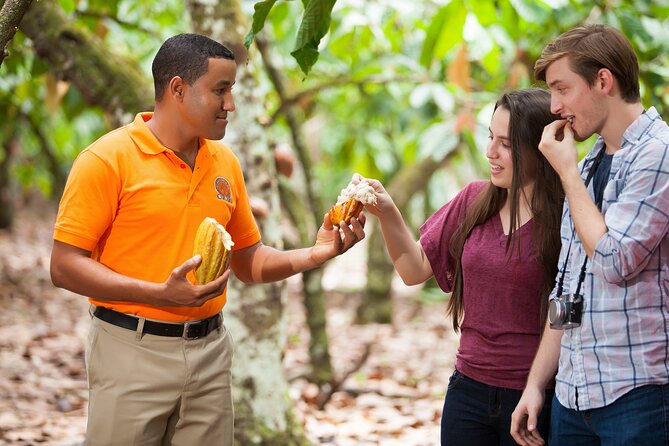
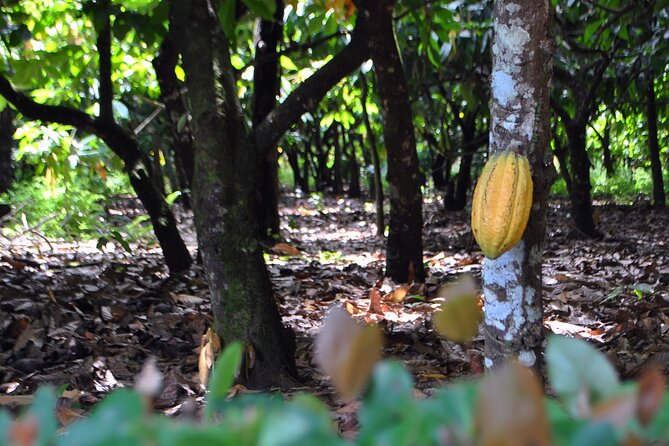
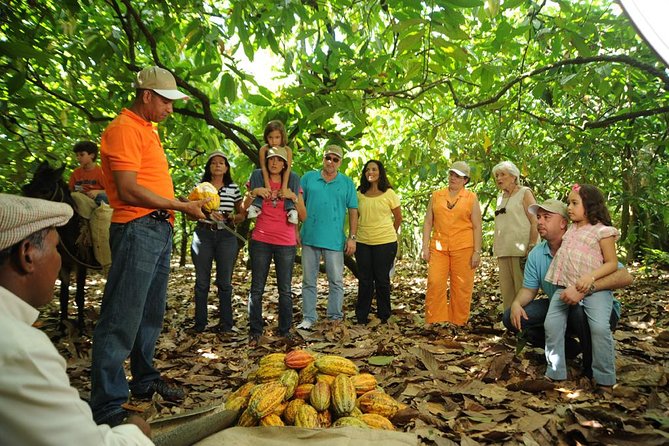
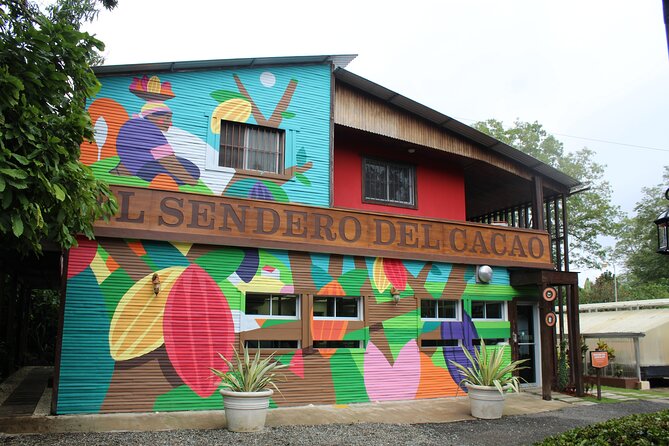
The experience begins at El Sendero del Cacao in Las Pajas, San Francisco de Macorís. This is not a quick photo stop. You’ll go with a local cacao expert and learn what makes the Dominican Republic a strong place for cacao, including how the ecosystem supports fine cacao.
What I like here is the pacing of the learning. Instead of only talking, the guide walks you through the logic of cacao farming, from the start of a plant to what happens after pods are harvested. You get a sense for why cacao is so sensitive to conditions, and why farmers care about timing and process.
It also helps that the focus is on organic cultivation. That means you’re more likely to hear about the farm’s approach and the relationship between soil, plants, and climate, rather than only the marketing story. If you like food tourism that actually changes how you think about ingredients, this part delivers.
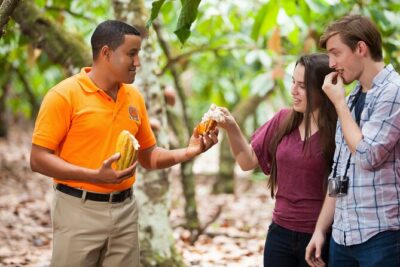
And yes, there’s a tangible payoff: the cacao fruit itself can be a tasty taste along the way, making the learning feel real instead of purely classroom-style.
From pod to grain: how fermentation and drying shape flavor
Cacao pods are only the start. During the plantation portion, you’ll get the sequence that turns raw cacao into something that can become high-quality chocolate: sowing, harvesting, extraction of grains from pods, and then the post-harvest stages.
The big turning points are fermentation and drying. Even if you’ve eaten chocolate for years, you might not realize how much flavor depends on what happens after harvesting. Fermentation helps develop the cacao’s character, and drying is what stabilizes and finishes the process so it’s ready for chocolate production.
This is also where the tour’s teaching style really matters. You’re not just watching steps, you’re learning what each step is for. That makes tasting later much more meaningful, because you’ll have a story for what you’re actually tasting. You can connect bitterness, roast notes, and sweetness to how cacao was handled.
One more useful angle: you also hear about the Dominican Republic ecosystem and why it creates conditions that allow fine cacao to develop into better quality chocolate. It’s a grounded explanation, not fantasy talk.
Entering La Esmeralda Chocolate Factory and making your own bar
After the plantation education, you shift to the La Esmeralda Chocolate Factory. This is where the tour turns from farming to production, and the mood usually gets a bit more “show and tell.”
You’ll discover the steps for creating a chocolate bar, and you’ll see the process from cacao into finished chocolate. The tour description also includes making your own chocolate, which is one of those experiences that sounds simple until you actually do it. It gives you a feel for the craftsmanship, and it makes the rest of the day stick.
I like that this isn’t only passive. Seeing the steps is good, but making chocolate makes it stick in your memory. It also gives you a chance to ask questions, especially about texture, handling, and how chocolate changes through processing stages.
If you’re a fan of food tours that don’t just show you how it’s made, this hits the sweet spot. You get factory access plus an activity, and it still stays focused on quality chocolate rather than turning into a souvenir sales pitch.
Tip for your visit: keep your camera handy, but listen first. The steps move in a logical order, and the details are the point.
Chocolate tasting with an expert: learning what to notice
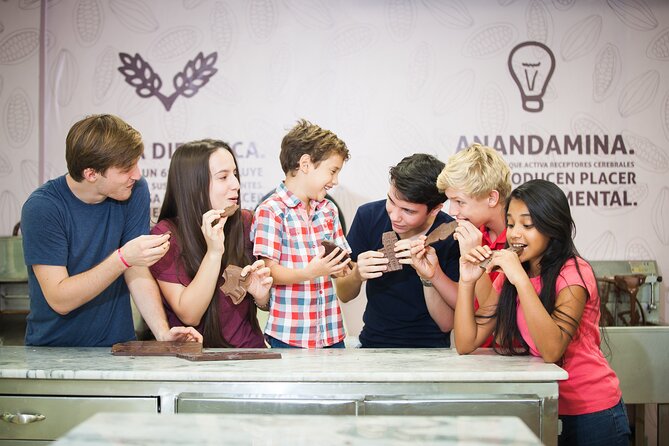
Then comes the part many people enjoy most: the tasting. You’ll taste different types of chocolate with a chocolate expert who teaches you how to experience chocolate with all of your senses.
This matters because chocolate tasting can be vague if you don’t have a framework. The guide’s job is to help you notice things you usually skip, like aroma before you even take a bite, the way flavors change as chocolate melts, and how different types can feel more bitter, sweet, or nutty depending on what’s used and how it’s processed.
If you’ve ever wondered why one chocolate tastes “better” but you can’t explain it, this segment gives you language and method. You end up with a more confident palate, and you’re less likely to buy chocolate based only on branding.
From a value standpoint, tasting is also efficient. You get multiple comparisons in a short time, which would be hard to replicate on your own unless you’re planning a lot of tastings.
One small plus from real-world experience: when your guide makes the session lively and friendly, you tend to remember the differences longer. On this tour, that friendly, helpful energy shows up often, including with guides such as Joyce.
More estates pouring inland
- Road Off Half Day Buggy with Chocolate and Coffee Tasting
★ 5.0 · 326 reviews - Punta Cana Buggy with Cave Dip, Mamajuana Tasting & Macao Beach
★ 4.5 · 233 reviews - ATV Adventure w/ Chocolate, Coffee & Cave Swim in Punta Cana
★ 5.0 · 178 reviews - Don Lucas Cigar Factory & Store + Premium Rum Tasting (3 hours)
★ 3.5 · 126 reviews - Full-Day Adventure with ATV, Party Boat, Snorkel & Coffee Tasting
★ 5.0 · 93 reviews
Lunch buffet and hot chocolate: the reward that feels earned
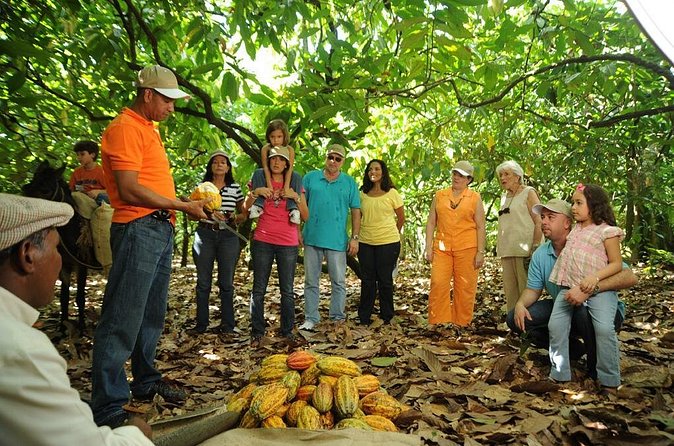
After learning and tasting, you sit down for a Dominican buffet-style lunch, accompanied by a cup of rich hot chocolate. This is not an afterthought meal, and that’s a key part of why the tour feels like a complete outing rather than a quick excursion.
A buffet works well here because you can build your plate after you learn about cacao and then match it to what you enjoy. You also avoid that awkward “one tiny portion, one sad choice” feeling that sometimes happens on day trips.
The hot chocolate is the practical payoff. You’ve just spent the day thinking about cacao processing. Now you get to drink a traditional version, and you can connect the dots between what you learned, what you tasted, and what you’re experiencing in liquid form.
If you asked me what to prioritize after the tour, it’s pacing yourself at lunch. You’ll have plenty of sensory impressions, so give your palate a little reset time before you head back out.
Price and what makes the $60 cost make sense
At $60 per person, the value comes from the combination. You’re not paying only for a plantation walk or only for factory access. You’re paying for a full chain experience:
- A plantation stop with organic cultivation education
- Factory time to see the steps for making chocolate bars
- Time to make your own chocolate
- A guided tasting with an expert
- A buffet lunch plus local hot chocolate
When you price those pieces separately, the tour looks more reasonable. The biggest “hidden value” is the guidance. An expert can point out what matters during fermentation, drying, and tasting, and that saves you from guesswork.
Also, the tour lists admission for the cacao stop as free in the itinerary, which helps keep the experience from feeling like you’re nickel-and-dimed once you arrive. I’d still think of the price as paying for the full day program, not just transportation or entry.
One fairness note: there’s a smart dress code, and there’s moderate physical fitness expected, so plan accordingly. Those factors don’t reduce value, but they do affect your comfort.
Practical logistics: timing, group size, and transportation reality
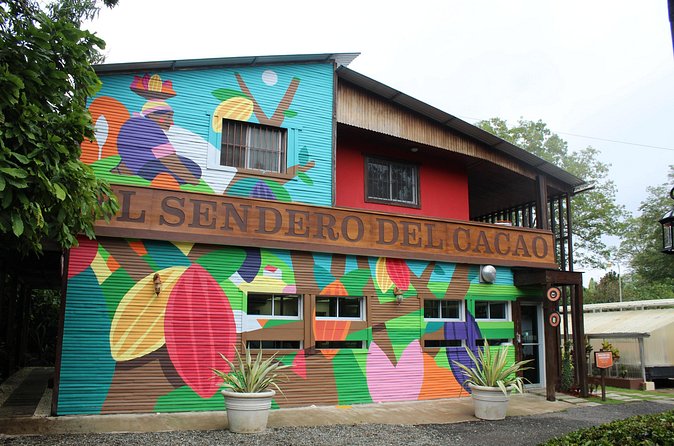
This is a structured tour with a clear start and end. It begins at 10:30 am at El Sendero del Cacao in Las Pajas, San Francisco de Macorís, and it ends back at the same meeting point.
Group size is capped at 300 travelers, which usually means you won’t feel totally alone, but you can also expect a more organized flow than tiny private tours.
You also need the right clothes. The dress code is smart, and they explicitly call out avoiding jeans, sportswear, joggers, and sneakers. Bring something comfortable but “presentable,” especially if you plan to take photos in the factory and lunch area.
Transportation is included only if you choose it. If you do, the ride can be the swing factor. There have been experiences where the driver did not speak English, limiting chances to ask questions about what you were seeing along the way. There can also be unscheduled stops on the return. It doesn’t sound universal, but it is a realistic consideration.
If you want a smoother experience, pack patience, especially if your language doesn’t match the driver’s. Once you’re at the stops, the guide and expert should be the main source of information.
Who should book this cacao and chocolate tour, and who might skip it
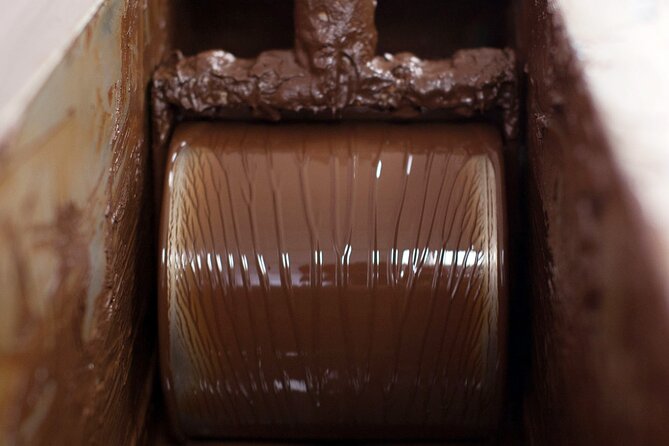
This tour is a great fit if you want a chocolate-themed day that feels educational and hands-on. It’s especially good for people who like their food tourism to connect farming to final flavor. You’ll walk through cacao cultivation steps, then see the factory process, then taste and make chocolate.
It also works well for mixed groups: not everyone has the same interest in agriculture, but the combination of plantation learning, factory visuals, tasting, and lunch tends to satisfy different personalities.
You might consider skipping or adjusting expectations if you hate any hint of waiting during transport, or if you need a very specific language during the drive. The plantation and tasting segments are where the real value is, so plan your mindset around that.
Families can enjoy it too, as long as children are accompanied by an adult. Just be ready for some walking and an outdoor farm environment, since moderate physical fitness is recommended.
Should you book the Cacao Plantation and Chocolate Factory Tour – Classic?
If your goal is to understand Dominican chocolate beyond the wrapper, I think this is an easy yes. The strongest reasons to book are the full-process structure, the hands-on chocolate-making, the expert-guided tasting, and the fact that you finish with a real buffet lunch and hot chocolate.
Book it if you want:
- plantation education that explains fermentation and drying
- factory steps you can visualize
- tasting that teaches you how to notice flavors
- a guided, ready-made half-day plan
Consider another option if you’re mainly looking for a quick stop, or if you’re very sensitive to transportation issues like language gaps or extra stops. The tour experience itself is the value, so focus on that, not the ride.
If you can dress smart and you’re ready to walk a bit, you’re set for a memorable, genuinely chocolate-focused day in the Dominican Republic.
FAQ
What is included in the Cacao Plantation and Chocolate Factory Tour – Classic?
The tour includes a local guide, a buffet lunch, a cup of local hot chocolate, and transportation if chosen.
Where does the tour start, and when does it begin?
The meeting point is El Sendero del Cacao, Las Pajas, San Francisco de Macorís 31000, Dominican Republic. The start time is 10:30 am.
How long does the tour take?
The duration is listed as approximately 2 hours 30 minutes, and the tour is also described as a 3.5-hour experience, so timing may vary.
Is there a vegetarian option?
Yes. A vegetarian option is available if you advise at the time of booking.
Is transportation included automatically?
No. Transportation is included only if you choose it.
What is the dress code?
The dress code is smart. The tour specifies avoiding jeans, sportswear, joggers, or sneakers.
Do children need to be accompanied?
Yes. Children must be accompanied by an adult.
What is the cancellation policy for a full refund?
You can cancel for a full refund if you cancel up to 24 hours in advance of the experience start time. If you cancel less than 24 hours before, the amount paid is not refunded.
Is there a limit on group size?
Yes. The tour/activity has a maximum of 300 travelers.
More Tour Reviews in Dominican Republic

Rum, Cacao and Coffee Near Dominican Republic

Inland From Dominican Republic
Newly reviewed near Dominican Republic
- Punta Cana Jet Ski, Buggy, Aqua Kart & Water Park Access★ 3.5 · 7 reviews
- Saona Island Premium- Exclusive Beach And Mano Juan FullDay★ 3.6 · 7 reviews
- Cap Cana Hotels To Punta Cana Airport (PUJ) One Way★ 5.0 · 8 reviews
- Punta Cana Airport to PARADISUS PALMA REAL in Punta Cana R/T★ 5.0 · 8 reviews
- ATV Rental in Jarabacoa★ 5.0 · 8 reviews
- Punta Cana Airport to ALL OCCIDENTAL RESORTS in PUNTA CANA R/T★ 5.0 · 8 reviews
Countryside Safari Rides, compared.
 ★ 5.0Private Airport Punta Cana to La Romana Bayahibe or Casa de Campo Resort AreaFrom $1706,662 reviews
 ★ 5.0Monkeyland and Plantation Safari Tour from Punta CanaFrom $803,805 reviews
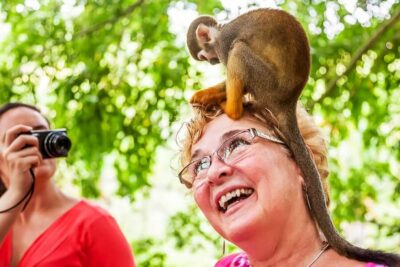 ★ 4.6Monkey Land Half-Day Safari and PlantationFrom $951,205 reviews
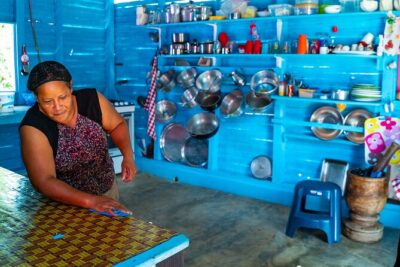 ★ 5.0Dominican Republic Countryside Safari Tour from Punta CanaFrom $90292 reviews
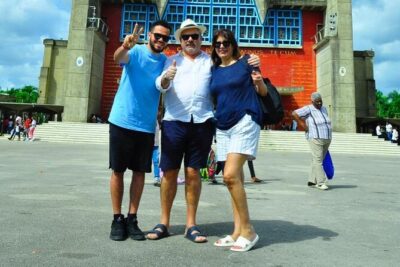 ★ 4.5Punta Cana Half-Day Cultural Safari with Lunch and DrinksFrom $74215 reviews
 ★ 3.5Countryside and Macao Beach Half-Day Buggy TourFrom $35140 reviews
 ★ 4.5Half Day Monkeyland SafariFrom $95134 reviews
 ★ 5.0Dominican Republic ATV or Buggy Tour: Countryside & BeachFrom $75110 reviews
Also filed under